A1c isn’t a snapshot of what you ate yesterday. It’s the average of your blood sugar over the past two to three months, measured by how much sugar has attached itself to your red blood cells. That’s exactly why learning how to lower A1c naturally takes more than one clean week of eating — it reflects months of daily habits, not a single good day.
Why You Can’t Lower A1c Naturally Overnight
Red blood cells live for roughly three months, and A1c measures the percentage of them coated in glucose over that whole window. This is also why doctors typically retest it every three months instead of weekly: the number simply doesn’t move that fast. If you’ve been eating well and exercising for two weeks and it hasn’t budged, that’s not failure — it’s math. Meaningful improvement is a slow-moving average, and the goal is consistency over time, not a quick fix before your next appointment.
The Diet Side of Lowering A1c Naturally
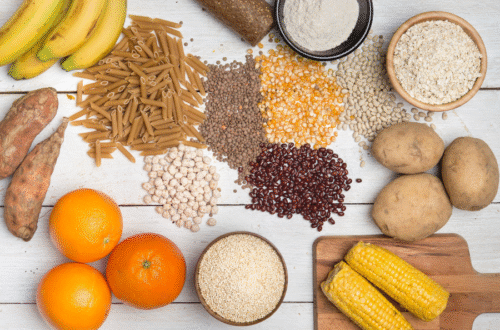
Reducing refined carbohydrates and ultra-processed foods is one of the most direct ways to affect the glucose that eventually shows up in your A1c. Every time you eat a large amount of fast-digesting carbs, your blood sugar spikes, and frequent spikes over months are what drive it up. Building meals around protein, fiber-rich vegetables, and slower-digesting carbohydrates — like legumes, oats, and whole fruit — keeps those spikes smaller and more manageable.
Portion and meal structure matter too. A simple plate method works well here: fill half your plate with non-starchy vegetables, a quarter with protein, and a quarter with complex carbohydrates. It’s not about eliminating carbs entirely — it’s about changing which carbs show up most often on your plate.
Exercise That Helps Lower A1c Naturally
Exercise affects A1c through a different mechanism than diet, which is why the two work best together. According to a position statement from the American Diabetes Association, physical activity increases insulin sensitivity and allows muscle cells to take up glucose directly during activity — a process that works even independent of insulin availability. In practical terms: movement clears sugar out of your bloodstream in real time, which is a big part of why regular exercise reliably shows up in research on lowering it naturally.
Both types of exercise matter, and they work through different pathways. Aerobic activity — walking, cycling, swimming — improves glucose uptake during the activity itself. Resistance training builds muscle mass that continues using glucose as fuel even at rest. Combining the two consistently tends to move the needle more than either one alone.
Resistance training in particular deserves more attention than it usually gets in this conversation. Skeletal muscle is responsible for roughly 80% of glucose uptake after a meal — it’s the single biggest site in the body where blood sugar gets pulled out of circulation and put to use. More muscle mass means a larger “storage tank” for that glucose, which directly translates to smaller, shorter blood sugar spikes after eating. This is also why resistance training tends to keep paying off between workouts: the muscle you build stays metabolically active, continuing to soak up glucose even on rest days. If you’re choosing where to put your limited exercise time, strength training two to three times a week isn’t optional cross-training — it’s one of the most direct levers you have for lowering A1c naturally.

A Simple Weekly Plan
- Movement: Aim for 150 minutes of moderate aerobic activity per week, plus three resistance training sessions
- Meals: Build most meals around the plate method — half vegetables, a quarter protein, a quarter complex carbs
- Timing: A short walk after your largest meal of the day helps blunt the post-meal glucose spike. No time for a walk, do 10 air squats.
- Consistency over intensity: Four moderate weeks beat one intense week followed by three off weeks
- Retesting: Give any new routine at least 8–12 weeks before expecting your results to show
The Takeaway
Lowering A1c naturally isn’t about a single dramatic change — it’s about making the same handful of decisions, most days, for long enough that the average actually shifts. Diet and exercise work through different mechanisms, which is exactly why combining both tends to outperform either alone. Give it time, be consistent, and don’t judge your progress by how you feel after one good week.
This post is for informational and educational purposes only and is not a substitute for professional medical advice. Target levels should always be set and monitored with your healthcare provider.