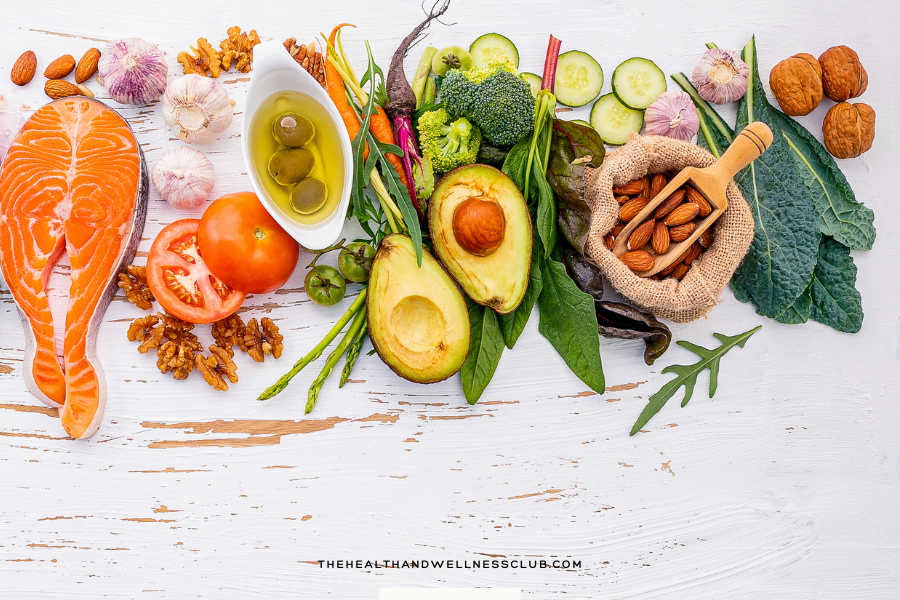
Feeling like you’re running on empty? You wake up tired, drag through the day, and by evening, you’re counting the minutes until bed. If that sounds familiar, you’re not alone. Fatigue is one of the most common complaints I hear from friends and clients. The good news? Sometimes, the solution is as simple as giving your body the right nutrients. Today, we’re talking about vitamins for energy—the real game-changers that can help you feel like yourself again.
Disclaimer: This article is for educational purposes only and is not medical advice. Supplements aren’t a cure for persistent fatigue. Always speak with your healthcare provider — especially if you’re pregnant, nursing, have a medical condition (e.g., thyroid disease, anemia), or take prescription medications.
Why Do You Always Feel Tired?
Before we jump into the best vitamins for energy, let’s talk about why you might feel drained all the time. Fatigue can come from so many things—stress, lack of sleep, poor diet, or even dehydration. But here’s the kicker: even if you eat “healthy,” you might still miss out on key nutrients that keep your energy levels steady.
Your body needs vitamins and minerals to convert food into fuel. Without them, your energy production slows down, and you feel it—big time. That’s why adding the right vitamins for energy can make such a difference.
The Best Vitamins for Energy and Why They Work
1. Vitamin B12: The Energy MVP
If you’re always tired, B12 should be the first thing on your radar. This vitamin helps your body make red blood cells and supports nerve function. Without enough B12, your cells can’t get the oxygen they need, and you end up feeling sluggish.
Where to find it:
- Animal products like eggs, fish, and lean meats
- Fortified plant-based milks (if you’re vegan)
Pro tip: If you follow a plant-based diet, you probably need a B12 supplement. Low B12 is super common in vegans and vegetarians.
Science says: A study found that B12 deficiency is strongly linked to fatigue and cognitive decline.
Safety note:
- RDA: 2.4 mcg/day
- UL: No established upper limit (generally low toxicity)
- Still, check with your clinician if you’re on certain antibiotics or have rare optic neuropathies.
2. Vitamin B6: The Stress Fighter
B6 works hand-in-hand with B12 to keep your energy up. It helps your body metabolize protein and carbs, which means more fuel for your cells. Plus, it supports neurotransmitter production—hello, better mood!
Where to find it:
- Chickpeas
- Bananas
- Salmon
Why I love it: When I started adding more B6-rich foods, I noticed fewer afternoon crashes.
Safety note:
- RDA: 1.3–1.7 mg/day
- UL: 100 mg/day (long-term high doses can cause nerve issues)
3. Vitamin D: The Sunshine Vitamin
Ever notice how you feel more tired in winter? That’s often low vitamin D talking. This vitamin plays a role in energy metabolism and muscle function. If your levels are low, you might feel tired or achy.
Where to find it:
- Sunlight (15–20 minutes a day if possible)
- Fatty fish like salmon
- Fortified dairy or plant milks
Check out this blog post for foods that are rich in vitamin D.
Science says: Research links vitamin D deficiency to fatigue and muscle weakness.
Safety note:
- RDA: 600–800 IU (15–20 mcg)
- UL: 4,000 IU (100 mcg)
- Consider checking your 25(OH)D level before supplementing.
4. Iron: The Oxygen Carrier
Okay, iron isn’t a vitamin, but it’s too important to skip. Iron helps your red blood cells carry oxygen. Low iron = low energy. If you’re always tired, especially if you’re a woman, check your iron levels.
Where to find it:
- Lean red meat
- Lentils
- Spinach
Quick tip: Pair iron-rich foods with vitamin C (like citrus) to boost absorption.
Safety note:
- RDA: Women 19–50: 18 mg/day; Men: 8 mg/day
- UL: 45 mg/day
- Do not supplement iron without a blood test (CBC + ferritin). Too much iron can be toxic.
5. Vitamin C: The Absorption Booster
Vitamin C doesn’t just fight colds—it helps your body absorb iron. Plus, it supports your adrenal glands, which manage stress hormones.
Where to find it:
- Oranges
- Bell peppers
- Strawberries
Safety note:
- RDA: 75–90 mg/day
- UL: 2,000 mg/day (high doses can cause GI upset)
6. Magnesium: The Calm Energy Mineral
Magnesium helps your body turn food into energy and supports muscle and nerve function.
Where to find it:
- Nuts and seeds
- Dark chocolate
- Leafy greens
Safety note:
- RDA: ~310–420 mg/day
- UL: 350 mg/day from supplements (food magnesium doesn’t count toward UL)
7. CoQ10: The Cellular Powerhouse
Coenzyme Q10 isn’t technically a vitamin, but it’s essential for energy production in your cells. Your body makes it naturally, but levels drop as you age.
Where to find it:
- Organ meats
- Fatty fish
- Supplements if needed
Safety note:
- No official RDA or UL
- Typical study doses: 100–200 mg/day
- May interact with warfarin — check with your doctor.
How to Choose the Right Vitamins for Energy
- Third-party tested: Always choose brands that test for purity and potency.
- Bioavailable forms: For example, methylcobalamin for B12.
- No unnecessary fillers: Skip the sugar-loaded gummies if you can.

Lifestyle Tweaks That Boost Energy Too
Vitamins help, but they’re not magic pills. Pair them with these habits for the best results:
- Stay hydrated: Even mild dehydration can zap your energy.
- Move your body: Just a quick walk after eating can give you more of a boost than coffee—and it even helps bring down your blood sugar. It’s an easy way to feel better fast!
- Prioritize sleep: No supplement can replace a good night’s rest. Check out this blog post for tips to sleep better.
- Manage stress: Dealing with stress every day can really drains your energy. Try making self-care a regular part of your routine—it might just help you feel more relaxed and recharged. If you’re looking for ideas, check out the stress release yoga pose you can try in this blog post!
When to See a Doctor
If you’ve tried everything and you’re still always tired, talk to your doctor. Fatigue can signal underlying issues like thyroid problems or anemia.
Final Thoughts: Your Energy Reset Starts Here
Feeling tired all the time isn’t normal, and you don’t have to accept it. The right vitamins for energy can make a huge difference in how you feel every day. Start with the basics—B12, B6, vitamin D, iron, and magnesium—and see how your body responds. Pair them with good food, movement, rest, and better sleep, and you’ll feel the shift.
I’ve seen these changes work wonders for myself and others. So, what’s your next step? Maybe it’s adding more leafy greens, spend more time outdoors to get your daily dose of vitamin D, or picking up a quality B-complex. Whatever it is, your energy is worth it.
Supplement Safety Disclaimer
Dietary supplements can interact with medications and aren’t risk-free. Use brands with third-party testing, follow label directions, and don’t exceed the ULs shown above unless your clinician recommends it.