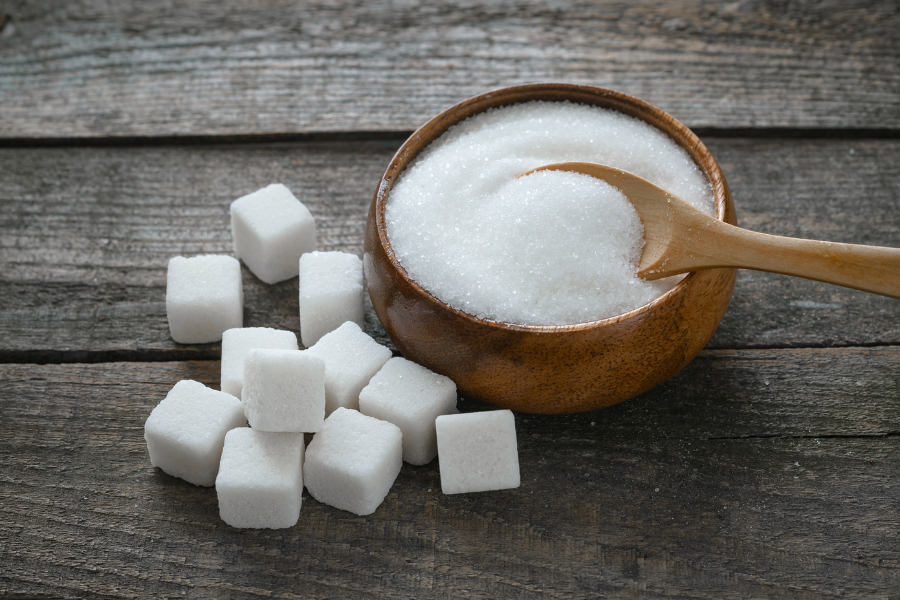
Sugar sneaks into almost everything—from your morning pumpkin latte to that “healthy” granola bar. Cutting back sounds simple, but the craving for sweetness is real. That’s where sugar alternatives come in, promising all the flavor without the guilt. But are they truly safe, or just clever marketing? Let’s uncover the facts and figure out which options actually deserve a spot in your kitchen.
Why Do We Even Need Sugar Alternatives?
We all know excess sugar isn’t doing us any favors. It spikes blood sugar, adds empty calories, and can lead to weight gain and inflammation. According to the American Heart Association, too much added sugar increases the risk of heart disease and type 2 diabetes. That’s why sugar alternatives sound so appealing—they promise sweetness without the guilt.
But here’s the catch: not all sugar substitutes are created equal. Some are safe, others come with baggage. Let’s break them down.
Types of Sugar Alternatives
Sugar alternatives fall into three main categories:
- Artificial sweeteners (lab-made, zero-calorie)
- Natural sweeteners (derived from plants)
- Sugar alcohols (low-calorie, partially absorbed)
Each has pros and cons. Let’s dig deeper.
Artificial Sweeteners: The Zero-Calorie Temptation
Artificial sweeteners like aspartame, sucralose, and saccharin have been around for decades. They’re in diet sodas, sugar-free gum, and those pink, yellow, and blue packets at coffee shops.
Are They Safe?
Most studies say yes—in moderation. The FDA approves these sweeteners, and research shows they don’t raise blood sugar. But here’s the nuance:
- Aspartame: Safe for most people, but those with PKU (a rare genetic disorder) should avoid it.
- Sucralose: Heat-stable, so it works in baking. However, some studies suggest it may alter gut bacteria.
- Saccharin: Once linked to cancer in rats, but later studies cleared it for humans.
Bottom line: Artificial sweeteners are generally safe, but they’re not magic. Overuse can lead to cravings for sweet foods, and some people experience digestive discomfort.
Natural Sweeteners: The “Healthy” Halo
Natural sweeteners sound wholesome, but let’s look closer.
Stevia
Stevia comes from a plant and is FDA-approved. It’s calorie-free and doesn’t spike blood sugar. Studies even suggest it may mildly help lower blood pressure.
Why I like it: It tastes sweet without the weird aftertaste if you choose a good brand. I use it in smoothies and coffee.
Monk Fruit
Monk fruit extract is another zero-calorie option. It’s antioxidant-rich and doesn’t raise blood sugar. The downside? It’s pricey and often blended with other sweeteners.
Honey & Maple Syrup
These aren’t calorie-free, but they’re less processed and contain trace minerals. Still, your body treats them like sugar, so moderation matters.
Quick tip: If you’re choosing between white sugar and honey, honey wins for its antioxidants—but don’t pour half the jar into your tea.
Sugar Alcohols: Sweet but Sneaky
Sugar alcohols like xylitol, erythritol, and sorbitol are common in “sugar-free” candies and keto snacks.
Pros
- Lower calorie than sugar
- Don’t spike blood sugar much
Cons
- Can cause bloating and diarrhea if you overdo it
- Xylitol is toxic to dogs (so keep it away from pets!)
Interesting fact: A 2023 study in Nature Medicine linked high erythritol levels to increased clotting risk. It’s not conclusive, but it’s worth noting.

Which Sugar Alternatives Are Actually Safe?
Here’s my honest take:
- Best bets: Stevia, monk fruit (natural, zero-calorie, well-studied)
- Okay in moderation: Artificial sweeteners like sucralose and aspartame
- Use sparingly: Sugar alcohols—fine for occasional treats, but don’t binge
- Still sugar: Honey, maple syrup—better than refined sugar, but not “free passes”
How to Choose the Right Sugar Alternative
When you’re scanning labels, keep these tips in mind:
- Check for blends: Many “stevia” products mix in maltodextrin or sugar alcohols.
- Avoid fillers: Some packets add bulking agents that aren’t necessary.
- Start small: If you’re new to sugar alcohols, ease in to avoid stomach drama.
Do Sugar Alternatives Help with Weight Loss?
Yes and no. They cut calories, but they don’t erase cravings. Some research suggests artificial sweeteners may trick your brain into wanting more sweets. If your goal is weight loss, focus on whole foods and use sweeteners as a tool—not a crutch.
The Gut Health Question
Your gut microbiome matters. Some sweeteners, like sucralose, may alter gut bacteria. The science isn’t settled, but if you’re working on gut health, stick to natural options like stevia or monk fruit.
My Personal Experience
I’ve tried them all—stevia drops in coffee, monk fruit in baking, even sugar-free candies with erythritol. Here’s what I learned:
- Stevia works best for energy levels—no crash, no cravings.
- Monk fruit is amazing in desserts, but expensive.
- Sugar alcohols? Fun for a treat, but my stomach says “no thanks” after too many.
Quick Comparison Table
| Sweetener | Calories | Blood Sugar Impact | Gut Impact | Notes |
| Stevia | 0 | None | Minimal | Plant-based |
| Monk Fruit | 0 | None | Minimal | Expensive |
| Sucralose | 0 | None | Possible | Heat-stable |
| Aspartame | 0 | None | Minimal | Avoid if PKU |
| Xylitol | Low | Low | Moderate | Toxic to dogs |
| Honey | High | High | Minimal | Natural sugar |
Final Thoughts
Sugar alternatives can make life sweeter without the sugar crash, but they’re not a free-for-all. Stevia and monk fruit are my go-to choices for everyday use. Artificial sweeteners? Fine in moderation. Sugar alcohols? Fun for a treat, but not daily.
If you’re trying to cut sugar, start small. Swap one sugary drink for a stevia-sweetened version. Notice how your body feels. And remember—sweeteners are a tool, not a solution. Real health comes from balanced eating, not chasing the next “miracle” ingredient.