Managing cholesterol can feel confusing, but it doesn’t have to be. The truth is, small changes in your daily meals can make a big impact on your heart health. Instead of stressing over complicated diets, focus on simple swaps that bring in reduce cholesterol foods without sacrificing flavor. These swaps are practical, tasty, and backed by science—perfect for anyone who wants a healthier lifestyle without feeling restricted.
Why Cholesterol Matters (And Why Food Is Your Secret Weapon)
High cholesterol isn’t just a number on a lab report—it’s a risk factor for heart disease, stroke, and other health issues. The good news? Your diet plays a huge role in managing cholesterol levels. According to research, dietary changes can lower LDL (the “bad” cholesterol) without medication. That’s powerful, right?
So, instead of stressing over what to cut out, let’s focus on what to swap in. These reduce cholesterol foods are easy to find, delicious, and proven to help.
The Power of Simple Swaps
You don’t need a complete kitchen overhaul. Start small. Replace one ingredient at a time, and you’ll see results. Here are my favorite swaps:
Swap Butter for Avocado
Butter tastes amazing, but it’s loaded with saturated fat. Try mashed avocado on toast instead. It’s creamy, satisfying, and packed with heart-healthy monounsaturated fats. Plus, avocados contain fiber, which helps lower LDL cholesterol.
Why it works: A study found that replacing saturated fats with unsaturated fats significantly improves cholesterol profiles.
Swap White Bread for Whole Grain
White bread spikes blood sugar and offers little fiber. Whole grain bread, on the other hand, is rich in soluble fiber—a key player in reducing cholesterol. Fiber binds to cholesterol in your digestive tract and helps remove it from your body.
Quick tip: Look for bread with “100% whole grain” on the label. Anything less is marketing fluff. Here are some tips on how to read nutrition labels.
Swap Red Meat for Fatty Fish
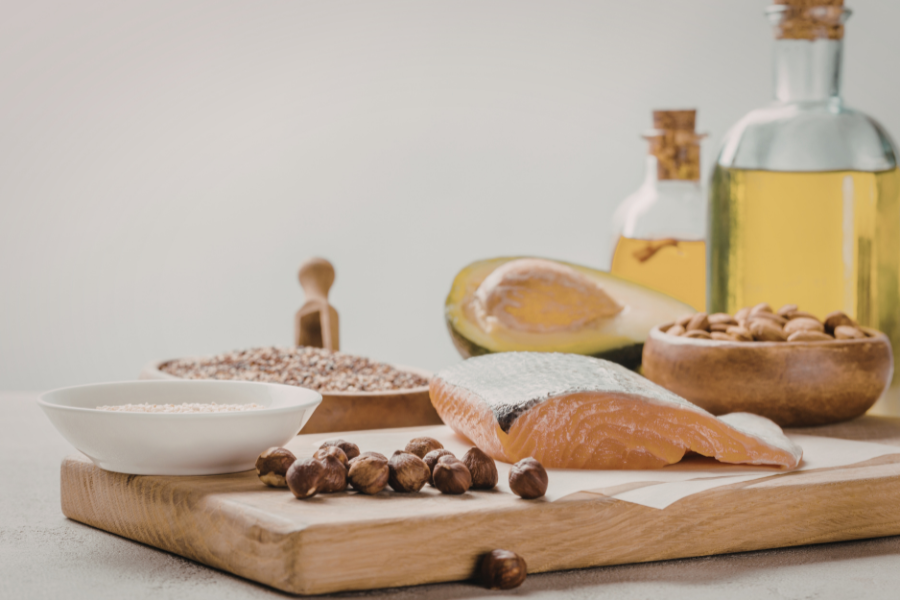
Love burgers? I get it. But swapping a beef patty for salmon once or twice a week can do wonders. Salmon is rich in omega-3 fatty acids, which lower triglycerides and improve heart health.
Bonus: Omega-3s also reduce inflammation, which is another win for your arteries.
Top Reduce Cholesterol Foods You’ll Love
Here’s the fun part—loading your plate with foods that taste great and support your health.
Oats
Oats are a superstar when it comes to lowering cholesterol. They contain beta-glucan, a type of soluble fiber that actively reduces LDL levels. A bowl of overnight oats (my personal favorite!) is an easy way to start your day right with a nourishing breakfast.
Nuts
Almonds, walnuts, pistachios—take your pick. Nuts are rich in healthy fats and plant sterols, which block cholesterol absorption. Just keep portions in check; a small handful is enough.
Legumes
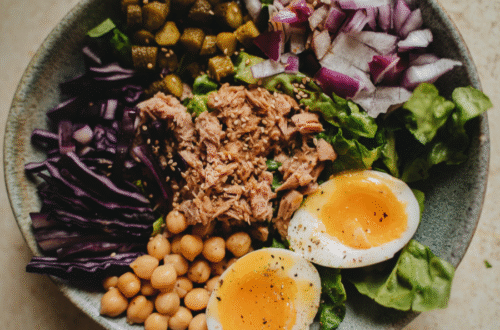
Beans, lentils, chickpeas—they’re affordable, versatile, and packed with fiber. Swap meat for beans in your chili or tacos, and you’ll cut saturated fat while boosting fiber.
Olive Oil
Olive oil is liquid gold for your heart. Use it instead of butter or margarine for cooking and dressings. It’s full of monounsaturated fats that help lower LDL cholesterol.
Fruits and Veggies
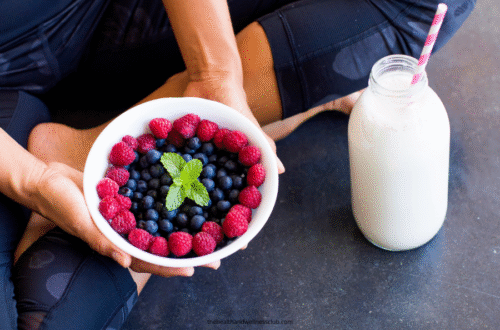
Color matters! Bright fruits and veggies are loaded with antioxidants and fiber. Apples, berries, spinach, and carrots are all excellent choices. Aim for a rainbow on your plate.
How These Foods Actually Work
Here’s the science in plain English:
- Soluble fiber (found in oats, beans, fruits) binds cholesterol and removes it from your body.
- Unsaturated fats (in nuts, olive oil, avocado) replace saturated fats, improving your lipid profile.
- Plant sterols (in nuts and seeds) block cholesterol absorption.
- Omega-3 fatty acids (in fatty fish) reduce triglycerides and inflammation.
These mechanisms are backed by research. So, when you choose reduce cholesterol foods, you’re making evidence-based decisions.
Practical Tips for Everyday Life
Changing habits can feel hard, but these tips make it easier:
- Plan ahead: Keep healthy snacks like nuts and fruit handy.
- Cook smart: Use olive oil instead of butter when sautéing.
- Start small: Swap one meal at a time—don’t try to change everything overnight.
- Read labels: Look for fiber-rich options and avoid trans fats.
Common Myths About Cholesterol and Food
Let’s bust a few myths:
- Myth: All fats are bad.
Truth: Not all fats are created equal. Healthy fats—like monounsaturated and polyunsaturated fats—are essential for your body. They help lower LDL (bad cholesterol) and raise HDL (good cholesterol). You’ll find these in foods like olive oil, avocados, nuts, seeds, and fatty fish. These fats also support brain function and hormone balance. The key is replacing saturated fats (found in butter, fatty meats, and processed snacks) with these heart-friendly options. - Myth: Eggs raise cholesterol.
Truth: Recent studies show eggs have minimal impact on blood cholesterol for most people. The bigger concern is what you eat with your eggs—like bacon or buttered toast. - Myth: You need expensive superfoods.
Truth: Everyday foods like oats and beans work just as well. You don’t need exotic ingredients to improve your cholesterol.
Why These Swaps Work for Everyone
I’ve always eaten healthy, but even then, I realized that small tweaks can make a big difference. You don’t need a dramatic diet overhaul to see results. These swaps work because they target the real culprits—saturated fats and low fiber—while adding foods that actively support heart health. Whether you’re starting from scratch or already eating well, these changes help fine-tune your nutrition and keep cholesterol in check.
Quick Meal Ideas Using Reduce Cholesterol Foods
- Breakfast: Overnight oats with berries and chia seeds.
- Lunch: Lentil salad with olive oil dressing.
- Snack: A handful of almonds and an apple.
- Dinner: Grilled salmon with roasted veggies.
These meals are simple, tasty, and packed with nutrients that support heart health.
Conclusion
Lowering cholesterol doesn’t have to be complicated. By adding reduce cholesterol foods and making a few simple swaps, you can protect your heart and enjoy every bite. Start small, stay consistent, and celebrate the progress you make.