Why Protein Matters More Than You Think
As we age, maintaining a healthy and active lifestyle and muscle mass becomes increasingly vital, especially to maintain a healthy metabolic function and quality of life. One of the key components to achieving this is ensuring an adequate intake of protein. Protein plays a crucial role in numerous physiological processes and offers many benefits that are particularly important for those aiming for healthy aging, maintaining muscle mass and fat loss. This blog post delves into the importance of protein, how it supports our bodies, and how to ensure we are getting enough of this essential nutrient.
Protein’s Role in the Body
Protein is made up of amino acids—some of which your body can produce, and others (called essential amino acids) that you must get from food. It’s involved in nearly every biological process, including:
- Muscle repair and growth
- Hormone production
- Enzyme function
- Immune support
As we age, our bodies become less efficient at maintaining muscle and repairing tissue. That’s where protein steps in to help.
Healthy Aging Starts with Muscle Maintenance
Sarcopenia Is Real—And It Starts Earlier Than You Think
Muscle loss, or sarcopenia, doesn’t just affect older adults—it can begin in your 30s. Without enough protein and resistance training, you may lose strength, mobility, and metabolic efficiency over time.
Healthy Tip:
Aim for 30 grams of high-quality protein per meal to support muscle retention and physical function.
Bone Health and Recovery
Protein isn’t just for muscles—it’s also essential for bone density and tissue repair. A protein-rich diet helps reduce the risk of fractures and supports faster healing after injuries or surgeries.
Protein and Fat Loss: A Powerful Duo
Boosting Metabolism
Protein has a higher thermic effect of food (TEF) than carbs or fats. That means your body burns more calories digesting protein, which can help support fat loss.
Promoting Satiety
Protein-rich meals help you feel full longer, which makes it easier to stick to a calorie-controlled eating plan without constant cravings.
Preserving Lean Muscle Mass
When you lose weight, you want to lose fat, not muscle. Protein helps preserve lean tissue, which keeps your metabolism humming and your body composition healthy.
How Much Protein Do You Need?
Your protein needs depend on your age, activity level, and goals. Here’s a quick guide:
- General adult population: 0.8g/kg of body weight
- Active individuals: 1.2–2.0g/kg
- Older adults: 1.6g/kg to help prevent muscle loss
Healthy Reminder:
If you weigh 60 kg (132 lbs), aim for 96 grams of protein daily if you’re active or aging.
Understanding Protein Quality: DIAAS and Amino Acids
What Is DIAAS?
DIAAS (Digestible Indispensable Amino Acid Score) measures how well your body can digest and use the amino acids in a protein source. It’s a more accurate way to assess protein quality than older methods like PDCAAS.
- Animal proteins (e.g., eggs, whey, meat): DIAAS scores often above 100
- Plant proteins (e.g., lentils, peas, soy): DIAAS scores typically below 75
This matters because higher DIAAS scores mean better support for muscle protein synthesis and recovery.
Incomplete Amino Acid Profiles in Plant-Based Foods
Most plant-based proteins are incomplete, meaning they lack one or more essential amino acids. For example:
- Grains are low in lysine
- Legumes are low in methionine
- Nuts and seeds may lack threonine or lysine
To make plant-based proteins work for muscle growth, you need to combine complementary foods.
Healthy Tip:
Pair rice + beans, quinoa + lentils, or hummus + whole grain pita to create a complete amino acid profile.
Watching Your Carbs
Vegan protein sources tend to be higher in carbohydrates. If you’re also watching your carb intake, check out this blog post for a curated list of high-protein, low-carb vegetarian foods that can help you stay balanced.
Best Sources of High-Quality Protein
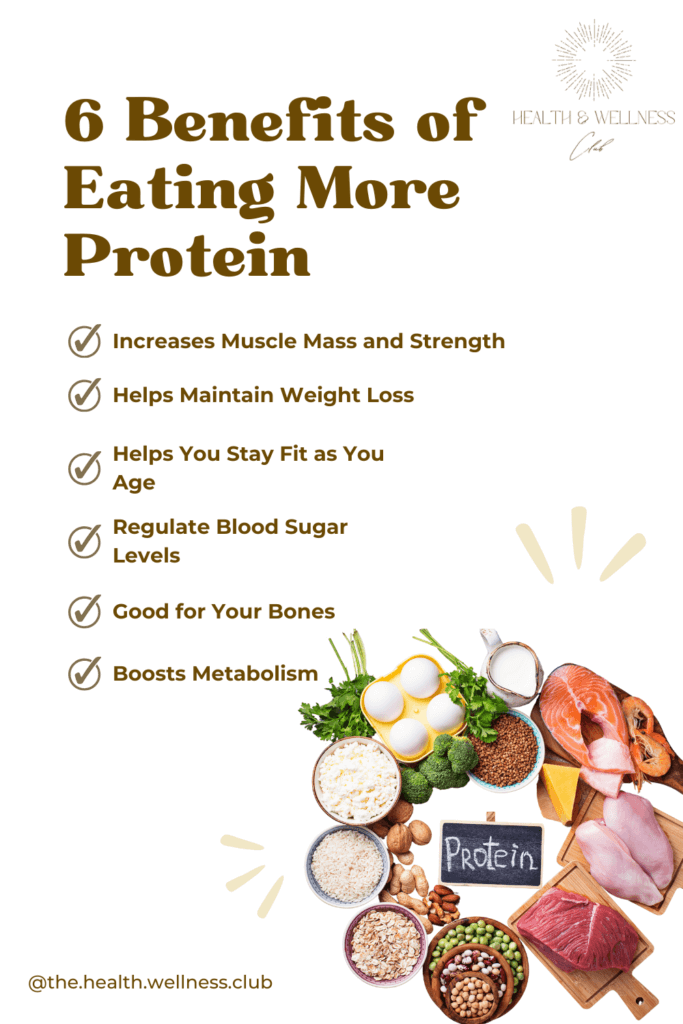
Here’s a mix of animal and plant-based options to help you meet your protein goals:
Animal-Based Proteins
- Lean meats: Chicken, turkey, beef
- Fish: Salmon, tuna, trout
- Eggs: Affordable and versatile
- Dairy: Greek yogurt, cottage cheese, milk
- Whey protein: High DIAAS score and fast absorption
Plant-Based Proteins
- Tofu and tempeh
- Lentils and chickpeas
- Quinoa and buckwheat
- Soy milk and edamame
- Pea or soy protein powders
Healthy Reminder:
You don’t need to be 100% plant-based to benefit from plant foods. Mix and match based on your goals, preferences, and how your body feels.
What the Research Says About Protein and Aging
A study found that higher protein intake is associated with better muscle mass, strength, and physical performance in older adults. Another review in Frontiers in Nutrition emphasized that protein quality and quantity are key for maintaining lean mass and metabolic health.
Your Next Step Toward Smarter Nutrition
Protein isn’t just about building muscle—it’s about preserving vitality, supporting recovery, and aging well. Whether you eat meat, plants, or a mix of both, the goal is the same: fuel your body with the nutrients it needs to thrive.
If you’re aiming to gain muscle mass, lose fat, or simply feel stronger and more energized, protein is your ally. Just make sure you’re getting enough—and from the right sources.
Would you like help turning this into a downloadable PDF, Pinterest graphics, or affiliate product roundups for high-quality protein sources? I’d be happy to assist!s vital for the repair and regeneration of tissues, including skin, organs, and muscles. A diet rich in protein can enhance the body’s ability to recover from injuries and surgeries, promoting faster healing and better outcomes.