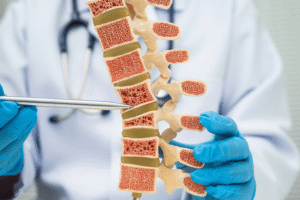
Osteopenia and Bone Health: How to Rebuild Bone Density
In my late twenties, I slipped and broke my shin. During recovery, a scan showed something I didn’t expect at that age: osteopenia — lower-than-normal bone density, the stage before osteoporosis. I’d spent most of my life lean, and barely exercising, and my bones had quietly paid the price. In response, I rebuilt my diet around bone-healthy nutrition to support my bone health and added strength training to my routine. A few years ago, a follow-up DEXA scan showed something different: my bone density had returned to normal. Osteopenia isn’t a life sentence, and bone health isn’t fixed at any age — it responds to what you do with it, in either direction. Osteopenia vs. Osteoporosis: What the Difference Actually Means Osteopenia and osteoporosis both describe lower-than-normal bone density, measured by a DEXA scan and expressed as a T-score. Osteopenia is the earlier, milder stage; osteoporosis is more advanced bone loss with a higher fracture risk. They’re not two separate problems — they’re two points on the same spectrum, which is exactly why the same strategy that helps prevent osteopenia from progressing is also used to manage osteoporosis once it’s already there. Why Strength Training Rebuilds Bone Health Bone isn’t static. It’s constantly being broken down by cells called osteoclasts and rebuilt by cells called osteoblasts. When you load your bones with resistance — through weights, bodyweight training, or any activity where muscles pull hard against bone — you trigger that rebuilding process to outpace the breakdown. This is different from cardio: walking and cycling are good for your heart, but they don’t apply enough mechanical stress to meaningfully build bone. A study tracked postmenopausal women with osteopenia or osteoporosis over six months. The group that did structured strength training saw a statistically significant 1.82% increase in lumbar spine bone density, while the non-exercising control group showed no meaningful change. Six months, twice-weekly training, a measurable difference on a DEXA scan — that’s a realistic, achievable improvement. Feel Awake—Naturally with Yoga☀️ Skip the coffee and start your day with movement and intention. Download your FREE GUIDE: “Energizing Morning Yoga Flow Wakes You Up Better than Coffee” and feel the difference in minutes. 👉 Enter your email to get the PDF instantly! Enter your FIRST NAME Customize this optional help text before publishing your form. Enter your EMAIL Provide your email address to subscribe. For e.g abc@xyz.com SUBSCRIBE What This Looks Like in Practice Bone health doesn’t require lifting heavy every day. The research points to a few consistent principles: It’s Never Too Late to Start My mom’s story adds a different piece to this. She was diagnosed with osteoporosis — a step further down that same spectrum — and started strength training in response. Two different diagnoses, the same underlying lever: consistent, progressive resistance training aimed at bone health, not just aesthetics or weight loss. It’s worth saying, too, that the benefit isn’t only in the bone density number on a DEXA scan — the muscle you build alongside it is what actually lets you carry groceries, get up off the floor, and move through the world with confidence as you age. Bone health and muscle go hand in hand, and together they’re what make mobility, independence, and freedom possible later in life, not just a longer healthspan on paper. The Takeaway If you’ve been told you have osteopenia, or you’re worried about bone health as you get older, strength training is one of the few interventions with real evidence behind it — not just for slowing bone loss, but for actually improving it. It won’t happen in a few weeks, and it isn’t about lifting the heaviest weight in the room. It’s about consistent, progressive load on your bones, sustained over months and years. This post is for informational and educational purposes only and is not a substitute for professional medical advice. If you have concerns about your bone density, please consult your doctor, and ask about a DEXA scan if you haven’t had one.

How to Lower A1c Naturally: A Diet and Exercise Plan That Works
A1c isn’t a snapshot of what you ate yesterday. It’s the average of your blood sugar over the past two to three months, measured by how much sugar has attached itself to your red blood cells. That’s exactly why learning how to lower A1c naturally takes more than one clean week of eating — it reflects months of daily habits, not a single good day. Why You Can’t Lower A1c Naturally Overnight Red blood cells live for roughly three months, and A1c measures the percentage of them coated in glucose over that whole window. This is also why doctors typically retest it every three months instead of weekly: the number simply doesn’t move that fast. If you’ve been eating well and exercising for two weeks and it hasn’t budged, that’s not failure — it’s math. Meaningful improvement is a slow-moving average, and the goal is consistency over time, not a quick fix before your next appointment. The Diet Side of Lowering A1c Naturally Reducing refined carbohydrates and ultra-processed foods is one of the most direct ways to affect the glucose that eventually shows up in your A1c. Every time you eat a large amount of fast-digesting carbs, your blood sugar spikes, and frequent spikes over months are what drive it up. Building meals around protein, fiber-rich vegetables, and slower-digesting carbohydrates — like legumes, oats, and whole fruit — keeps those spikes smaller and more manageable. Portion and meal structure matter too. A simple plate method works well here: fill half your plate with non-starchy vegetables, a quarter with protein, and a quarter with complex carbohydrates. It’s not about eliminating carbs entirely — it’s about changing which carbs show up most often on your plate. Free Anti-Inflammatory Foods Poster Help you to live an anti-inflammatory life and meal planning easier with this FREE Anti-Inflammatory Food Poster. Simply fill out the form below to get your Anti-Inflammatory Food Poster delivered straight to your inbox! Enter your First Name Enter your Email Address Provide your email address to subscribe. For e.g abc@xyz.com SUBSCRIBE Exercise That Helps Lower A1c Naturally Exercise affects A1c through a different mechanism than diet, which is why the two work best together. According to a position statement from the American Diabetes Association, physical activity increases insulin sensitivity and allows muscle cells to take up glucose directly during activity — a process that works even independent of insulin availability. In practical terms: movement clears sugar out of your bloodstream in real time, which is a big part of why regular exercise reliably shows up in research on lowering it naturally. Both types of exercise matter, and they work through different pathways. Aerobic activity — walking, cycling, swimming — improves glucose uptake during the activity itself. Resistance training builds muscle mass that continues using glucose as fuel even at rest. Combining the two consistently tends to move the needle more than either one alone. Resistance training in particular deserves more attention than it usually gets in this conversation. Skeletal muscle is responsible for roughly 80% of glucose uptake after a meal — it’s the single biggest site in the body where blood sugar gets pulled out of circulation and put to use. More muscle mass means a larger “storage tank” for that glucose, which directly translates to smaller, shorter blood sugar spikes after eating. This is also why resistance training tends to keep paying off between workouts: the muscle you build stays metabolically active, continuing to soak up glucose even on rest days. If you’re choosing where to put your limited exercise time, strength training two to three times a week isn’t optional cross-training — it’s one of the most direct levers you have for lowering A1c naturally. A Simple Weekly Plan The Takeaway Lowering A1c naturally isn’t about a single dramatic change — it’s about making the same handful of decisions, most days, for long enough that the average actually shifts. Diet and exercise work through different mechanisms, which is exactly why combining both tends to outperform either alone. Give it time, be consistent, and don’t judge your progress by how you feel after one good week. This post is for informational and educational purposes only and is not a substitute for professional medical advice. Target levels should always be set and monitored with your healthcare provider.
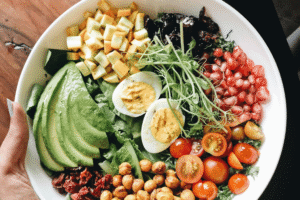
How to Start a Low Carb Diet for Better Blood Sugar: A Step-by-Step Guide for Beginners
Most people think “low carb” just means less bread and pasta. What it actually does is blunt the insulin spike that follows a carb-heavy meal — and that spike is the real driver behind the energy crash, the 3pm cravings, and over time, the upward creep in blood sugar numbers a lot of women start noticing in their 40s. A low carb diet doesn’t work by magic or willpower — it works by changing that one specific hormonal response, meal after meal. If you’re starting to see that pattern in yourself, here’s a step-by-step way to actually begin a low carb diet — without needing a nutrition degree or overhauling your kitchen overnight. Why a Low Carb Diet Helps Regulate Blood Sugar When you eat carbohydrates, your body breaks them down into glucose, which raises blood sugar and triggers an insulin response. The fewer refined carbs on your plate, the smaller that spike — which is the whole logic behind why a low carb diet is so often recommended for blood sugar management. This isn’t just anecdotal. A 2025 umbrella meta-analysis in Diabetology & Metabolic Syndrome, reviewing multiple meta-analyses of controlled clinical trials, found that low-carbohydrate diets led to significant reductions in HbA1c — a key long-term blood sugar marker — in 16 of the 21 studies reviewed, though a handful of studies showed no significant change, reflecting real individual variability. In other words: for a lot of people, it works — but it’s not universal, and results vary. That variability is exactly why starting slowly and paying attention to how your body responds (the way my dad did with his CGM) matters more than following a rigid rulebook. Diabetes Research and Clinical Practice Free Anti-Inflammatory Foods Poster Help you to live an anti-inflammatory life and meal planning easier with this FREE Anti-Inflammatory Food Poster. Simply fill out the form below to get your Anti-Inflammatory Food Poster delivered straight to your inbox! Enter your First Name Enter your Email Address Provide your email address to subscribe. For e.g abc@xyz.com SUBSCRIBE How to Start a Low Carb Diet: Step-by-Step You don’t need to go from standard eating to strict keto overnight. Here’s how to ease into a low carb diet in a way that’s sustainable: 1. Start by cutting the obvious sources Before counting a single gram, just remove the biggest offenders: sugary drinks, white bread, pastries, and packaged snacks. This alone gets most beginners most of the benefit of a low carb diet with the least friction. 2. Build meals around protein and vegetables first Instead of thinking “what am I cutting,” think “what am I building the plate around.” Protein and non-starchy vegetables should take up most of the plate; carbs become the smaller side, not the centerpiece. For a deeper dive into building balanced plates like this, check out this blog post. 3. Choose slower-digesting carbs when you do eat them A low carb diet doesn’t mean zero carbs. When you do include them, favor ones with fiber and a lower glycemic impact — lentils, berries, oats — over refined, fast-digesting options. 4. Watch your body’s actual response You don’t need a CGM to do this. Simple cues — energy crashes, cravings an hour after eating, how you feel two hours post-meal — tell you a lot about how your body is handling carbs. 5. Adjust gradually, not drastically Cutting carbs too fast can leave you fatigued and irritable the first week (“keto flu” is a real, if temporary, phenomenon). Easing into a low carb diet over two to three weeks tends to stick better than an abrupt overhaul. A Simple Low Carb Diet Meal Plan for Beginners To make this concrete, here’s what one day on a beginner-friendly low carb diet might look like: Nothing exotic — just protein and vegetables doing most of the work, with carbs playing a supporting role instead of the lead. Common Low Carb Diet Mistakes to Avoid The Takeaway A low carb diet isn’t about perfection or an all-or-nothing overhaul — it’s about giving your body less of the specific trigger (a big carb-driven insulin spike) that’s likely behind the crashes and cravings you’re feeling. Start with the obvious swaps, build meals around protein and vegetables, and adjust gradually. The evidence backs it up for a lot of people, but the only way to know how your body responds is to actually try it and pay attention — not to follow the plan blindly. This post is for informational and educational purposes only and is not a substitute for professional medical advice. If you have concerns about your blood sugar, please consult your doctor before making significant dietary changes.
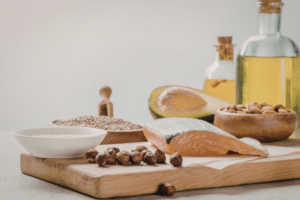
Heart Health Myths: Why Normal Cholesterol Doesn’t Mean You’re Safe
I used to think a “clean” cholesterol panel meant a clean bill of heart health. Then I came across a stat that stopped me mid-scroll: nearly 75% of people hospitalized for heart attacks had cholesterol levels that were considered normal or even optimal. If cholesterol alone isn’t catching most heart attacks before they happen, what is it missing? The Cholesterol Myth Most of Us Still Believe For decades, the story was simple: high cholesterol causes heart disease, so keep your LDL (“bad” cholesterol) low and you’re in the clear. Cut the eggs, cut the butter, watch your numbers. Except the data doesn’t back that up nearly as cleanly as we were told. A national study of nearly 137,000 people hospitalized for heart attacks found that close to 75% of them had cholesterol levels that met current guideline targets for low cardiovascular risk. Almost half were in the “optimal” range. In other words — a normal cholesterol panel didn’t protect them. That’s not a reason to ignore cholesterol entirely. It’s a reason to ask what else matters for heart health that a standard lipid panel misses. What Actually Drives Heart Disease Emerging research points to two bigger culprits than cholesterol on its own: blood sugar and inflammation. Free Anti-Inflammatory Foods Poster Help you to live an anti-inflammatory life and meal planning easier with this FREE Anti-Inflammatory Food Poster. Simply fill out the form below to get your Anti-Inflammatory Food Poster delivered straight to your inbox! Enter your First Name Enter your Email Address Provide your email address to subscribe. For e.g abc@xyz.com SUBSCRIBE So Is Dietary Fat Off the Hook Largely, yes — for most people. Large studies haven’t found saturated fat intake to be as strong a heart disease driver as once assumed, and even national nutrition guidance has shifted: the 2015–2020 Dietary Guidelines for Americans removed dietary cholesterol as a “nutrient of concern for overconsumption,” a marker of how much the science has moved. Some people are genuinely more sensitive to dietary fat than others, so this isn’t a blanket green light — but for the majority, sugar and metabolic health are the more urgent conversation. A More Useful Way to Think About Heart Health If you want a fuller picture of your heart disease risk than cholesterol alone can give you, a few things are worth bringing up with your doctor: None of this means cholesterol doesn’t matter. It means it’s one piece of a bigger metabolic picture — and for most of us, blood sugar and inflammation are the pieces worth paying closer attention to. That’s the real reason a “clean” panel didn’t catch 75% of those heart attacks: it was never designed to see the whole picture. This post is for informational and educational purposes only and isn’t a substitute for professional medical advice. Talk to your doctor before making changes based on anything you read here.

How to Lower Blood Sugar Naturally (What Actually Worked)
A few years ago, my dad sat at my parents’ kitchen table and told me his fasting glucose numbers were creeping up. He’s not someone who does things halfway — once he decides to fix a problem, he fixes it. So he started asking me what he could actually do about it. Not a supplement. Not a fad. Just: what works. I’m a certified nutrition coach (and yoga teacher, though that’s a different post), and honestly, this is the kind of question I live for. I’ve been a little obsessed with health, food, and how the body actually works for years now, and blood sugar sits right at the center of a lot of that. So when my dad started asking, I didn’t just have a few tips off the top of my head — I dug in. What we landed on together wasn’t complicated. But it was specific, and it’s the same framework I come back to anytime someone asks me how to lower blood sugar naturally, without turning their whole life upside down. Why “How to Lower Blood Sugar” Is Suddenly Everyone’s Question If you’re in your 30s, 40s, or 50s, blood sugar is probably on your radar in a way it wasn’t a decade ago. Maybe your last physical came back with an A1C that was “fine, but let’s keep an eye on it.” Maybe you’ve noticed you crash hard after lunch, or that the weight around your middle changed even though nothing else did. Hormonal shifts through your 30s and 40s change how your body handles carbohydrates and insulin, which is exactly why this topic keeps showing up in midlife health conversations — and exactly why a real diabetes diet approach (not a diet-culture one) matters more here than almost anywhere else. This isn’t about fear. It’s about catching the trend early enough that you have real options. What a Real Diabetes Diet Approach Actually Looks Like A lot of people hear “diabetes diet” and picture deprivation — no carbs, no fun, a list of forbidden foods taped to the fridge. That’s not what worked for my dad, and it’s not what I recommend to my readers either. The most sustainable diabetes diet isn’t a restriction list; it’s a handful of consistent habits layered on top of the way you already eat. Here’s what actually moved the needle: 1. Protein and fiber before refined carbs, every time.Pairing carbohydrates with protein, fat, or fiber slows the rate at which glucose hits your bloodstream. In practice, that meant my dad stopped eating toast alone for breakfast and started adding eggs, and swapped out refined carbs where he could. With his CGM, he watched this play out directly — the numbers were noticeably steadier on days he did this than on days he didn’t. It’s one of the most reliable levers in any diabetes diet, and for him it wasn’t a guess — he could see it working. 2. Walking after meals — not before, not “sometime today.”This was the single habit that surprised him most. Research on postprandial (after-meal) walking has found that even a short walk taken directly after eating measurably blunts the blood sugar spike that follows, more effectively than the same walk taken later or before the meal. One study on people managing type 2 diabetes found that a brief walk after dinner controlled post-meal glucose better than the same walk taken before eating. My dad was wearing a continuous glucose monitor at the time, so this wasn’t theoretical for him — he could watch the numbers on his phone and see the difference a 10-to-15-minute walk after his largest meal made, in real time. That kind of immediate feedback is part of why the habit stuck. 3. Building muscle, not just cutting carbs.This is the part that gets left out of most “how to lower blood sugar” advice, and it’s the part I care about most. Muscle tissue is where a huge share of the glucose from your meals actually gets stored and used. The more muscle you carry, the more “room” your body has to clear sugar from your blood without your pancreas working overtime. My dad started strength training for an unrelated reason (his knees, not his blood sugar), but it became one of the most effective things he did for his glucose numbers too. This lines up with the muscle-centric view of long-term health that researchers like Dr. Gabrielle Lyon and Peter Attia have popularized — muscle isn’t just about looking strong, it’s metabolically active tissue that helps regulate blood sugar for the rest of your life. 4. Front-loading protein at breakfast.A high-protein breakfast (think 25–30g) keeps blood sugar steadier through the morning than a carb-heavy one, and it’s one of the easiest diabetes diet swaps to make because it only touches one meal. It also does double duty: protein is what your body actually uses to build and maintain muscle, and — as I mentioned above — more muscle means more capacity to clear glucose from your blood. So a protein-forward breakfast isn’t just steadying your morning, it’s feeding the exact tissue that helps control blood sugar long-term. Free Anti-Inflammatory Foods Poster Help you to live an anti-inflammatory life and meal planning easier with this FREE Anti-Inflammatory Food Poster. Simply fill out the form below to get your Anti-Inflammatory Food Poster delivered straight to your inbox! Enter your First Name Enter your Email Address Provide your email address to subscribe. For e.g abc@xyz.com SUBSCRIBE The Practical Plan: How to Lower Blood Sugar This Week What I’d Tell Anyone Starting This Today My dad didn’t fix his blood sugar by finding a stricter diet. He fixed it by adding things — a walk, a strength session, a bit more protein — rather than only subtracting. If you’re looking at your own numbers and wondering where to start, that’s still my honest answer: start with what you can add this week, not everything you’d have to give up. This post is for informational and educational purposes only and isn’t a substitute for professional medical advice. If you have concerns about your blood sugar, please talk with your doctor.

Zero Carb Foods List: 25 Satisfying Options for Keto & Low-Carb Diets
Starting a new nutritional path often feels like learning a second language. If you are looking at low-carb diets for the first time, you might feel overwhelmed by what to remove. However, the real magic happens when you focus on what you can add. By prioritizing zero carb foods, you simplify your meals and keep your energy levels remarkably steady. When you reduce carbohydrates, your body naturally transitions away from burning sugar and starts utilizing fat for fuel. A study highlights that this shift can significantly improve metabolic health and weight management. I find that focusing on high-quality proteins and fats makes the transition feel less like a “diet” and more like a high-performance lifestyle. I have curated a list of 25 powerhouse options that contain zero net carbs. These staples provide the building blocks for a satisfying, nutrient-dense way of eating. The Foundation: High-Quality Proteins Meat is the ultimate “yes” food on a keto or low-carb journey. Because animal muscle is naturally free of glucose and starches, these options provide pure protein and essential fats. I’ve noticed that when I center my meals around these, I stay full much longer than I ever did on a high-carb plan. 1. Ribeye Steak The ribeye is a fan favorite for a reason. It is marbled with healthy fats that provide flavor and long-lasting satiety. Since it has zero carbs, it allows you to enjoy a luxurious meal while keeping your blood sugar completely stable. 2. Chicken Thighs I always recommend thighs over breasts for those starting out. The extra fat in the dark meat makes it much harder to overcook and far more satisfying. Chicken thighs are a perfect zero carb protein that pairs well with almost any seasoning. 3. Ground Beef This is likely the most versatile item on this zero carb foods list. You can transform it into burgers, taco meat (using carb-free spices), or a simple stir-fry. It is an affordable way to get high-quality zinc and iron into your day. 4. Pork Chops Pork offers a fantastic change of pace from beef and poultry. A thick-cut pork chop seasoned with sea salt and garlic provides a hearty meal with no hidden sugars. Just be sure to check that any store-bought seasonings don’t contain maltodextrin or sugar. 5. Lamb Chops Lamb is a nutrient-dense option that contains conjugated linoleic acid (CLA). Research suggests CLA may support healthy body composition. It is a flavorful, zero carb way to elevate your dinner rotation. 6. Turkey Breast Roasted turkey breast is an excellent lean protein for those who want a lighter meal. It works perfectly for quick snacks or sliced thin for a “breadless” wrap. It stays firmly in the low-carb category as long as it isn’t honey-glazed. Nutritional Gems from the Water Seafood provides essential omega-3 fatty acids, which are crucial for heart and brain health. Most fresh fish and shellfish have no carbohydrates, making them ideal for anyone starting a low-carb diet. 7. Salmon Salmon is a true “superfood” in my book. It is loaded with protein and healthy fats that support glowing skin and sharp focus. A piece of baked salmon contains zero carbs and serves as a delicious centerpiece for any meal. 8. Canned Tuna I keep my pantry stocked with canned tuna for busy days. It is a convenient, high-protein snack that requires zero prep time. I like to mix mine with a little olive oil or a carb-free mayo for a quick, filling lunch. 9. Sardines Don’t let the small size fool you; sardines are nutritional giants. They are packed with calcium, vitamin D, and omega-3s. These are some of the most budget-friendly zero carb foods you can find. 10. Shrimp Shrimp are fast to cook and very low in calories while being high in protein. Sautéing them in butter and lemon creates a high-end meal in under five minutes. Just avoid any pre-made breading or sweet dipping sauces. 11. Cod Cod is a mild white fish that is perfect if you aren’t a fan of “fishy” flavors. It flakes beautifully and absorbs the flavors of whatever you cook it with. It is a solid zero carb option that helps you hit your protein goals easily. Essential Fats for Energy Fats are your new best friend. When you cut carbs, your body looks to fats for its primary energy source. These pure oils and fats contain no carbohydrates and help keep your hormones balanced. 12. Grass-Fed Butter Butter is good as a flavor booster for vegetable and meat. Grass-fed versions are often richer in vitamin K2 and omega-3s. It is a delicious, zero carb way to hit your daily energy needs. 13. Extra Virgin Olive Oil This is a staple for any low-carb diet. It is rich in antioxidants and monounsaturated fats. I love drizzling it over fresh greens or using it as a base for a homemade vinaigrette. 14. Avocado Oil Because it has a high smoke point, avocado oil is perfect for searing and roasting. It has a very neutral taste, making it incredibly versatile in the kitchen. It provides healthy fats with absolutely zero carbs. 15. Coconut Oil Coconut oil contains medium-chain triglycerides (MCTs). According to a study in Pharmacology, Biochemistry, and Behavior, MCTs can be converted into ketones quickly, providing a rapid energy boost. I find it especially helpful for morning energy. 16. Lard and Tallow Cooking with animal fats like tallow or lard is a traditional method that fits perfectly with a zero carb lifestyle. These fats are incredibly stable at high temperatures and add a depth of flavor that seed oils just can’t match. Free Anti-Inflammatory Foods Poster Help you to live an anti-inflammatory life and meal planning easier with this FREE Anti-Inflammatory Food Poster. Simply fill out the form below to get your Anti-Inflammatory Food Poster delivered straight to your inbox! Enter your First Name Enter your Email Address Provide your email address to subscribe. For e.g abc@xyz.com SUBSCRIBE Dairy and Eggs While some dairy contains sugar (lactose), high-fat and aged options are usually safe for a low-carb diet. Eggs, in particular, are nearly perfect in their nutritional profile. 17. Hard Aged Cheeses Cheeses like Parmesan, Aged Cheddar, and Swiss have almost all the lactose removed during the aging process. This leaves you with a savory, zero carb snack that is high in calcium and protein. 18. Large Eggs I consider eggs a “must-have.” While one egg has a tiny trace of carbs (around 0.6g), they are effectively counted as zero carb foods by most enthusiasts. They are cheap, easy to cook, and incredibly satisfying. 19. Ghee (Clarified Butter) Ghee is butter that has been simmered to remove the water and milk solids. The result is a lactose-free fat with a high smoke point and a rich, toasted flavor. It is a brilliant zero carb addition to any dish. 20. Heavy Cream While you should use it in moderation, heavy cream is a great way to add fat to your day. A tablespoon contains about 0.4g of carbs, so it fits perfectly into low-carb diets when used in coffee or sauces instead of milk. Snacks and Pantry Additions Finding “crunchy” things can be the hardest part of a new diet. These options provide variety and convenience without the sugar crash. 21. Pork Rinds If you miss the crunch of chips, pork rinds are a game-changer. Since they are made from pork skin, they have zero carbs but plenty of protein and fat. They are my go-to for a “salty snack” fix. 22. Seaweed Snacks Roasted seaweed is light, crispy, and full of minerals like iodine. Most servings have zero net carbs. They are a great way to satisfy a snack craving without feeling weighed down. 23. Sugar-Free Beef Jerky Jerky is a fantastic portable protein, but you must read the labels. Many brands use sugar for curing. Look for “No Sugar Added” versions to ensure you are eating a zero carb snack. 24. Bone Broth Bone broth is more than just soup; it is a source of collagen and electrolytes. Drinking a cup of warm broth can help you stay hydrated and keep your gut healthy. It is a soothing, zero carb way to bridge the gap between meals. 25. High-Quality Salt and Spices Don’t underestimate the power of seasoning! Pink Himalayan salt and cracked black pepper contain zero carbs but are essential for managing your electrolytes. Proper seasoning makes this way of eating sustainable and delicious and enhance the flavour of your zero carb foods. Why These Options Work Focusing on these zero carb foods takes the guesswork out of your nutrition. Instead of obsessing over every gram, you can eat until you are satisfied, knowing you aren’t spiking your insulin levels. Research in The Lancet suggests that low-carbohydrate eating patterns can lead to better metabolic health. By building your plate around these 25 items, you give your body a break from the “blood sugar roller coaster” and allow it to run on more consistent, fat-based energy. I’ve personally found that the less I rely on processed “low-carb” bars and shakes, and the more I stick to these whole foods, the better my digestion and focus become. It is about quality as much as it is about the carb count. Your Next Steps Starting something new is always an adventure. Don’t worry about being “perfect” on day one. Just try replacing one high-carb item in your fridge with something from this zero carb foods list. Are you excited to see how your body feels once you fuel it with these nutrient-dense options? I think you will be surprised at how much energy you actually have.