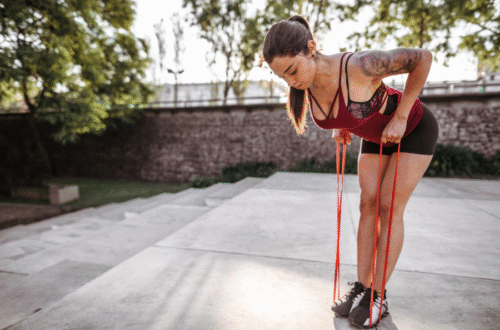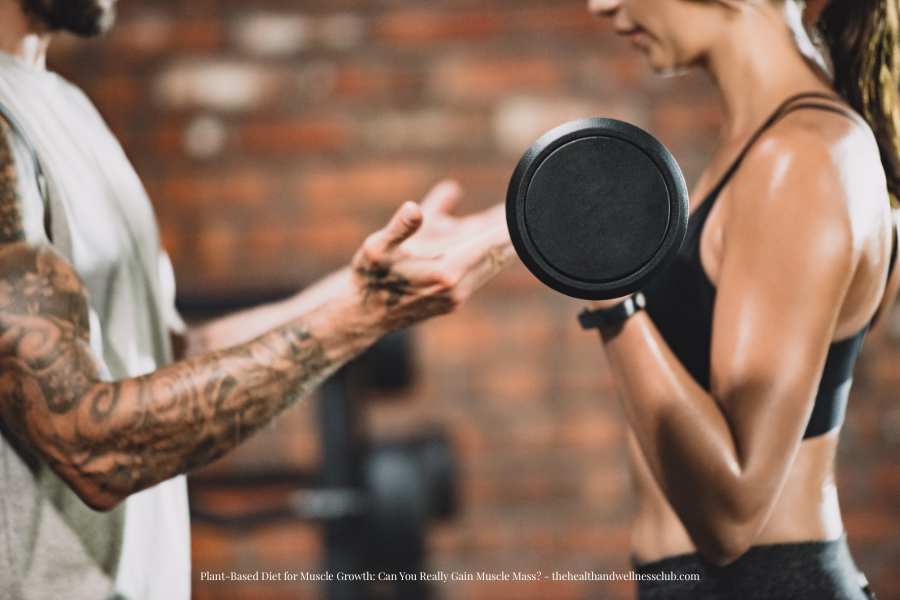
Let’s talk about something that sparks a lot of curiosity—and a little confusion: Can you gain muscle mass on a plant-based diet? My meals are heavy in plant-based foods, although I don’t strictly follow a plant-based diet. I’ve explored it enough to understand both the appeal and the challenges. If you’re considering it for ethical, environmental, or health reasons, you might be wondering whether it can actually support your strength goals—especially when it comes to gaining muscle mass.
Spoiler: Yes, you can gain muscle mass on a plant-based diet—but it takes a bit more planning than you might expect. Let’s walk through what works, what to watch out for, and how to make it sustainable.
What Does It Take to Gain Muscle Mass?
Before we get into the plant-based side of things, let’s quickly recap what muscle growth actually requires:
- Progressive resistance training
- Adequate protein intake
- Sufficient calories
- Recovery and sleep
Whether you eat meat or not, these principles stay the same. The challenge with a plant-based diet is making sure you hit your protein and amino acid needs consistently.
The Protein Puzzle: DIAAS and Amino Acid Profiles
Here’s where things get a little technical—but super important.
What Is DIAAS?
DIAAS stands for Digestible Indispensable Amino Acid Score. It’s a modern way to measure protein quality based on how well your body can digest and use the essential amino acids in a food.
- Animal proteins like eggs, dairy, and meat typically score above 100, meaning they’re highly digestible and complete.
- Plant proteins often score below 75, which means they’re less efficient at supporting muscle protein synthesis.
For example:
- Whey protein isolate: DIAAS ~ 110
- Soy protein isolate: DIAAS ~ 91
- Pea protein concentrate: DIAAS ~ 82
- Lentils: DIAAS ~ 50–60
So yes, plant proteins can support muscle growth—but they’re generally lower in quality compared to animal proteins.
Incomplete Amino Acid Profiles in Plant Foods
Most plant-based protein sources are incomplete, meaning they lack one or more of the nine essential amino acids your body can’t produce on its own.
For example:
- Grains (like rice and oats) are low in lysine
- Legumes (like lentils and chickpeas) are low in methionine
- Nuts and seeds may be low in lysine or threonine
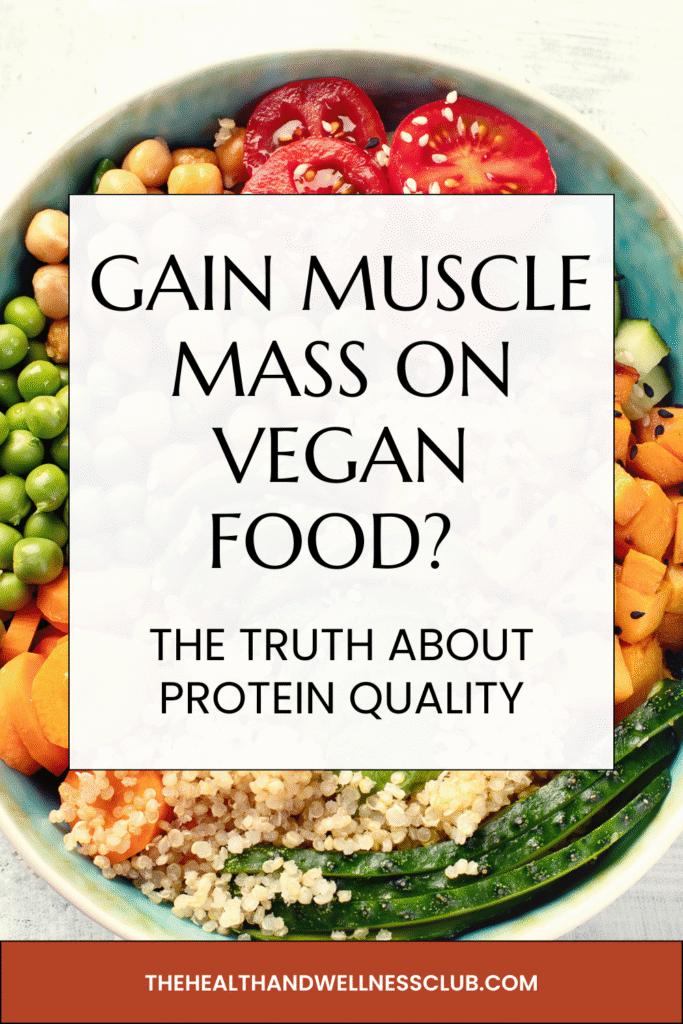
That’s why food pairing is so important on a plant-based diet. You need to combine different sources to create a complete amino acid profile.
Smart Food Pairings:
- Rice + beans
- Hummus + whole grain pita
- Peanut butter + whole wheat toast
- Quinoa + lentils
Healthy tip: You don’t need to pair every meal perfectly. Your body can pool amino acids over the course of the day—just make sure you’re getting variety.
Vegan protein sources tend to be higher in carbohydrates, so if you’re also watching your carb intake, check out this blog post for a curated list of high-protein, low-carb vegetarian foods that can help you stay balanced.
How Much Protein Do You Need to Gain Muscle Mass?
The sweet spot for muscle growth is 1.6 to 2.2 grams of protein per kilogram of body weight per day.
So if you weigh 60 kg (about 132 lbs), aim for 96 to 132 grams of protein daily.
On a plant-based diet, that means being intentional with every meal and snack. You’ll likely need to eat larger portions and more frequent meals to hit your targets.
Top Plant-Based Protein Sources for Muscle Growth
Even though I don’t follow a plant-based diet, I’ve tried many of these and still include them in my meals:
- Tofu and tempeh
- Lentils and chickpeas
- Quinoa and buckwheat
- Edamame and soy milk
- Hemp seeds, chia seeds, and flaxseeds
- Pea protein and soy protein powders
Healthy reminder: Use protein powders strategically. They’re not essential, but they make hitting your daily goals much easier—especially post-workout.
Supplements That Can Help Fill the Gaps
Plant-based diets can be incredibly nourishing, but they do have a few blind spots when it comes to muscle growth.
Helpful Supplements:
- Vitamin B12 – Crucial for energy and only found in animal products
- Creatine – Supports strength and muscle volume; most creatine is vegan-friendly
- Vitamin D – Important for recovery and hormone balance
- Omega-3s – Algae oil is a great plant-based source
- Leucine-rich protein powder – Leucine is the key amino acid for triggering muscle protein synthesis
Always check labels and consult with a dietitian if you’re unsure.
Training Tips to Maximize Results
You can eat all the lentils in the world, but if you’re not training effectively, you won’t gain muscle mass.
Focus on These Basics:
- Progressive overload – Increase weights or resistance over time
- Compound movements – Squats, deadlifts, push-ups, rows
- Train each muscle group 2–3 times per week
- Prioritize recovery – Sleep, hydration, and rest days matter
Whether you’re training at home or in the gym, consistency is everything.
Realistic Expectations and What to Watch For
If you’re switching to a plant-based diet and want to gain muscle mass, here’s what to expect:
- You’ll need to plan meals more carefully
- You may need to eat more volume to hit calorie and protein goals
- You’ll want to track your progress to stay motivated
- You might need to supplement strategically to fill nutritional gaps
But you’ll also likely feel lighter, more energized, and less bloated—especially if you’re swapping processed foods for whole, fiber-rich meals.
What the Research Says About Muscle Growth on a Plant-Based Diet
A study published found that plant-based protein can support muscle growth when consumed in sufficient quantities and combined properly. The key is total protein intake, not the source.
Another review emphasized that protein quality matters, especially for athletes. That’s where DIAAS scores and amino acid profiles come into play.
So yes, you can gain muscle mass on a plant-based diet—but you need to be intentional.
Wrapping It Up: What You Should Know About Plant-Based Muscle Building
If you’re exploring a plant-based diet for muscle growth, know that it’s possible—but not passive. You’ll need to plan, pair foods wisely, and train consistently. And if you’re like me and don’t follow a plant-based diet, you can still learn a lot from how plant-based athletes approach nutrition with intention and variety.
Muscle growth isn’t about perfection—it’s about consistency, smart choices, and listening to your body.
Whether you eat plants, meat, or a mix of both, your strength goals are valid—and totally achievable.