Your spice rack can work like a tiny wellness toolkit. I reach for natural anti-inflammatory spices when I want big flavor and steady, feel-good energy. I love how a pinch of turmeric or ginger can warm a dish and still support my body. If you want delicious food that also supports calm, balanced health, you’ll love what these natural anti-inflammatory staples can do.
Why I Cook With Natural Anti-Inflammatory Spices
I care about flavor first, but I also care about how I feel after I eat. Natural anti-inflammatory spices check both boxes. They add depth, aroma, and color while they support joints, gut comfort, and recovery after workouts. I keep them within reach because I like easy wins that stack up over time.
Quick benefits you can expect:
- Better everyday comfort: You support a healthy inflammatory response with food you already love.
- Steadier energy: You enjoy bold flavor without heavy sauces or sugar.
- Simple upgrades: You sprinkle a spice and transform a basic meal into a natural anti-inflammatory dish.
How Natural Anti-Inflammatory Spices Work (In Plain English)
Spices carry bioactive compounds that nudge the body toward balance. They target signaling pathways that regulate inflammation and oxidative stress.
Key players you’ll meet today:
- Curcumin in turmeric
- Gingerols and shogaols in ginger
- Cinnamaldehyde in cinnamon
- Allicin in garlic
- Eugenol in clove
- Carnosic acid and carnosol in rosemary
- Carvacrol and thymol in oregano
- Piperine in black pepper
- Capsaicin in cayenne
- Crocin and safranal in saffron
Researchers link these compounds to healthy inflammatory signaling and antioxidant activity. I like that I can fold these natural anti-inflammatory tools into meals I already make.
Top Natural Anti-Inflammatory Spices That Boost Flavor and Health
Turmeric
I call turmeric my golden baseline. I whisk it into yogurt dressings, stir it into cauliflower rice, and even add a pinch to scrambled eggs or grilled fish for a warm, earthy note. Curcumin gives turmeric its bright color and strong natural anti-inflammatory benefits.
Pro tip: Pair turmeric with black pepper because piperine boosts curcumin absorption.
Ginger
I grate fresh ginger into stir-fries and blend powdered ginger into smoothies or chai. It tastes zesty and adds a gentle heat that feels comforting. Studies link gingerols and shogaols to natural anti-inflammatory activity and joint comfort. I also love ginger for post-meal ease.
Cinnamon
I use cinnamon in overnight oats, smoothies, and baked treats. It smells cozy and still works hard. Cinnamaldehyde supports natural anti-inflammatory pathways and can help with metabolic health marker, such as glucose and insulin resistance. I reach for Ceylon cinnamon when I want a softer, more delicate flavor.
Garlic
I toss chopped garlic into stir-fries and sauces because it builds depth without fuss. Allicin supports immune function and natural anti-inflammatory balance in human studies (Arreola et al., 2015, J Immunol Res). I add garlic toward the end of cooking when I want a punchy aroma.
Clove
You can drop a pinch of ground clove into stews and spice blends. A little goes a long way. Eugenol brings strong antioxidant and natural anti-inflammatory effects. I pair clove with cinnamon and ginger for warm baking flavors.
Rosemary
I rub rosemary, lemon, and olive oil onto salmon or chicken. The kitchen smells like a holiday roast, and the meal tastes bright. Carnosic acid and carnosol support natural anti-inflammatory pathways and oxidative balance. I also toss rosemary sprigs onto sheet-pan veggies.
Oregano
I love oregano in roasted veggie trays and homemade sauces. Carvacrol and thymol bring robust flavor and natural anti-inflammatory support. It’s an easy way to make simple meals taste vibrant.
Black Pepper
I grind pepper on almost everything. Allicin supports immune function and natural anti-inflammatory balance in human studies.
Cayenne
Adding a pinch of cayenne to soups and eggs can give your dishes a little kick. Capsaicin supports natural anti-inflammatory signaling and may help with perceived soreness after tough sessions. I start with a tiny amount and build from there.
Saffron
I rarely use saffron, but it’s worth mentioning because it’s powerful. Compounds like crocin support antioxidant and natural anti-inflammatory activity, and early research points to mood benefits. If you want to try it, bloom a few threads in your curry, stews, or add them to rice dishes for color and aroma.
How to Cook With Natural Anti-Inflammatory Spices (Without Overthinking It)
Pair flavors you already love
I build on dishes I make weekly and add natural anti-inflammatory twists. I fold turmeric into cauliflower rice, grate ginger into stir-fries, and shake cinnamon onto chia with overnight oats and smoothies.
Use fat and heat wisely
Many spice compounds love fat and gentle heat. I bloom spices in olive oil or ghee for 30–60 seconds to unlock aroma. I then add onions, garlic, or protein and keep the flavor rich and warm.
Boost bioavailability
- Combine turmeric + black pepper to support absorption.
- Pair spices with healthy fats like olive oil, nuts, and yogurt for a fuller natural anti-inflammatory effect.
Start small and stay consistent
Try to add ¼–½ teaspoon at first and adjust to taste. I use these natural anti-inflammatory spices daily rather than only on special occasions. Small habits deliver big changes.
Quick Recipes That Center Natural Anti-Inflammatory Spices
- Golden Yogurt Dressing: Greek yogurt + turmeric + lemon juice + black pepper + minced garlic + salt.
- Ginger-Garlic Stir-Fry: Garlic + ginger sautéed in olive oil, tossed with veggies and tofu or chicken.
- Cinnamon-Rosemary Roasted Squash: Squash roasted with olive oil, cinnamon, rosemary, and sea salt.
- Saffron Rice with Lemon: Bloom saffron in hot water, fold into rice with lemon zest and parsley.
Shopping and Storage Tips
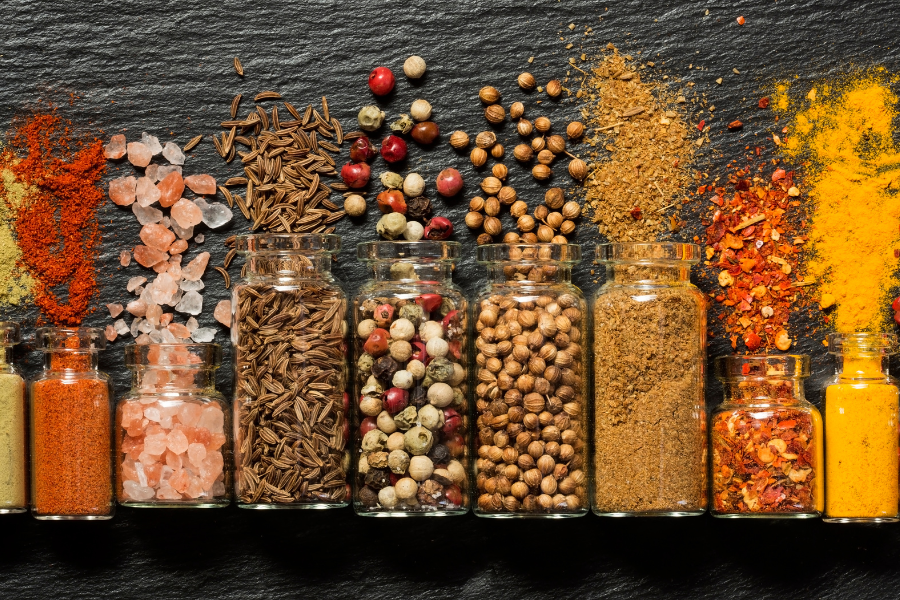
- Buy small jars and refresh every 6–12 months.
- Store away from heat and light.
- Choose whole spices when possible and grind small batches for the best aroma.
Safety Notes and Smart Use
Stick with food-level portions and check with a clinician if you use supplements or take medication. Cinnamon can vary in coumarin content, which matters if you use large amounts. Saffron brings strong effects, so use a pinch.
Conclusion
I treat natural anti-inflammatory spices like daily allies. They boost flavor, color, and aroma while they support comfort, energy, and recovery. You can start with one or two and build from there. Try a cauliflower rice with turmeric and black pepper this week, or roast veggies with garlic and rosemary tonight. You’ll taste the difference first. You’ll feel the difference next.
Want to learn more about an anti-inflammatory diet, check out this blog post and this blog post for more.