Intermittent Fasting for Women
You might have tried intermittent fasting and felt exhausted or moody, you’re not alone. Women respond differently to fasting than men because of hormonal fluctuations, energy needs, and stress response. That’s why finding the best intermittent fasting timelines for women is key to feeling balanced—not burned out.
I’ve experimented with different fasting windows myself, and here’s what I learned: the right schedule can boost energy, improve focus, and even support hormonal health. The wrong one? It can leave you tired and craving everything in sight. So let’s break down what works best for women and why.
The Science Behind Intermittent Fasting for Women
Intermittent fasting (IF) isn’t just skipping breakfast—it’s an eating pattern that alternates between periods of eating and fasting. Research suggests IF can improve insulin sensitivity, support weight management, and reduce inflammation. But here’s the catch: most studies focus on men. Women’s bodies are more sensitive to energy deficits because of reproductive hormones like estrogen and progesterone.
When fasting is too aggressive, it can increase cortisol (the stress hormone). That’s why intermittent fasting for women should prioritize gentle timelines that maintain energy and hormonal balance.

Best Intermittent Fasting Timelines for Women
The perfect intermittent fasting for women schedule depends on your needs, goals, and—honestly—your average stress level!
1. 12:12 Method (Beginner-Friendly)
- What it is: Fast for 12 hours, eat within a 12-hour window (e.g., 7 a.m.–7 p.m.).
- Why it works: This is the easiest way to start intermittent fasting for women. It aligns with your natural circadian rhythm and doesn’t feel restrictive.
- Best for: Beginners, women with high activity levels, or those focused on better digestion and sleep.
2. 14:10 Method (Balanced and Sustainable)
- What it is: Fast for 14 hours, eat within a 10-hour window (e.g., 8 a.m.–6 p.m.).
- Why it works: This schedule gives your body more time to rest and repair without pushing stress hormones too high. Studies show that early time-restricted feeding (eating earlier in the day) supports metabolic health [4].
- Best for: Women who want fat loss without sacrificing energy or mood.
3. 16:8 Method (Advanced but Cautious)
- What it is: Fast for 16 hours, eat within an 8-hour window (e.g., 10 a.m.–6 p.m.).
- Why it works: This is the most popular IF schedule, but it’s not for everyone. Women should monitor energy, mood, and cycle health closely.
- Best for: Experienced fasters who feel good on longer fasts and have stable energy.
4. 5:2 Method (Weekly Approach)
- What it is: Eat normally five days a week, then eat about 500–600 calories on two non-consecutive days.
- Why it works: This method focuses on calorie reduction rather than daily fasting windows. Some women prefer this flexibility.
- Best for: Women who dislike daily fasting but want metabolic benefits.
5. Circadian Rhythm Fasting
- What it is: Eat during daylight hours (e.g., 7 a.m.–7 p.m.), fast overnight.
- Why it works: Research shows that eating earlier in the day supports blood sugar control and reduces evening cravings [5].
- Best for: Women who want better sleep and steady energy.
How to Choose the Right Timeline
Ask yourself:
- What’s your lifestyle? If you work out early, a shorter fast may suit you better.
- How’s your stress level? Longer fasts can raise cortisol, so keep it gentle if life feels hectic.
- What’s your goal? Fat loss, energy, or hormonal balance? Your answer shapes your schedule.
| Fasting Method | Fasting Window | Eating Window | Best For | Cautions |
| 12/12 | 12 hours | 12 hours | Beginners, gentle start | May offer milder effects |
| 14/10 | 14 hours | 10 hours | Beginners, daily energy | Minimal hormonal risk |
| 16/8 | 16 hours | 8 hours | Fat burning, insulin | May cause fatigue if overdone |
| 5:2 Diet | 2 days/week | Normal days | Flexibility, weight loss | Requires careful calorie intake |
| Circadian Rhythm Fasting | Varies (~12-16 hours | Eating aligned to daylight hours | Supports natural body clock and hormone balance | Requires lifestyle alignment with daylight |
Tips for Success with Intermittent Fasting for Women
1. Start Slow
Jumping into a 16-hour fast can backfire. Begin with 12:12, then move to 14:10 if you feel good.
2. Prioritize Protein and Fiber
When you break your fast, choose protein-rich meals with fiber and healthy fats. This keeps blood sugar stable and prevents overeating.
3. Stay Hydrated
Drink water, herbal tea, or black coffee during your fasting window. Dehydration can mimic hunger.
4. Sync with Your Cycle
During the luteal phase (after ovulation), your body needs more energy. Consider shorter fasts or skip fasting altogether during this time.
5. Avoid Overtraining
If you love morning workouts, break your fast soon after. Fasting plus intense exercise can stress your system.
Sample Day on a 14:10 Schedule
- 7:00 a.m.: Wake up, hydrate, light movement or yoga
- 8:00 a.m.: Black coffee or herbal tea
- 8:30 a.m.: Workout (strength or cardio)
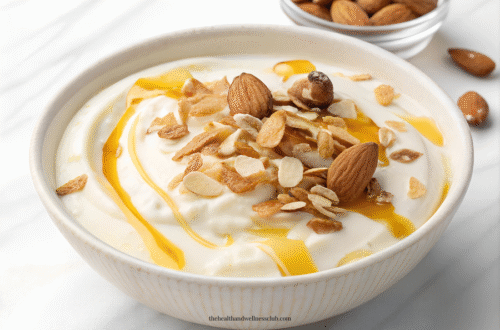
- 10:30 a.m.: Break fast with anti-inflammation breakfast bowl that are high in protein and vegetables/fruits
- 1:00 p.m.: Balanced lunch (lean protein, veggies, healthy fats)
- 6:00 p.m.: Light dinner
- 6:30 p.m.: Kitchen closed, relax into your evening

Common Mistakes to Avoid
- Jump into a long-hour fast straight away: Don’t jump into a 24-hour fast if you haven’t adjusted to shorter windows.
- Skipping nutrients: Don’t use fasting as an excuse to under-eat.
- Ignoring hunger cues: If you feel dizzy or irritable, shorten your fast.
- Fasting every day without breaks: Flexibility matters for long-term success.
- Not listening to your body’s signals: If fasting drains you, try shorter windows.
- Dehydration: Hydrate well! Sometimes headaches or tiredness just mean you need a bit more water.
The Benefits You Can Expect
When done right, intermittent fasting for women can:
- Metabolic benefits: Improved fasting glucose, reductions in fat mass, and stabilized blood sugar are well documented.
- Weight management: Several studies confirm calorie cycling and time-restricted eating help women lose weight and keep it off.
- Reduce inflammation markers
- Enhance mental clarity and focus
Final Thoughts
The best schedule for intermittent fasting for women is the one that supports energy, balance, and sustainability. Start small, listen to your body, and adjust as needed. Remember, fasting is a tool—not a punishment. Use it to feel empowered, not restricted.
Your next step: Pick one timeline from this guide and try it for a week. Track how you feel—energy, mood, and focus matter more than the clock.