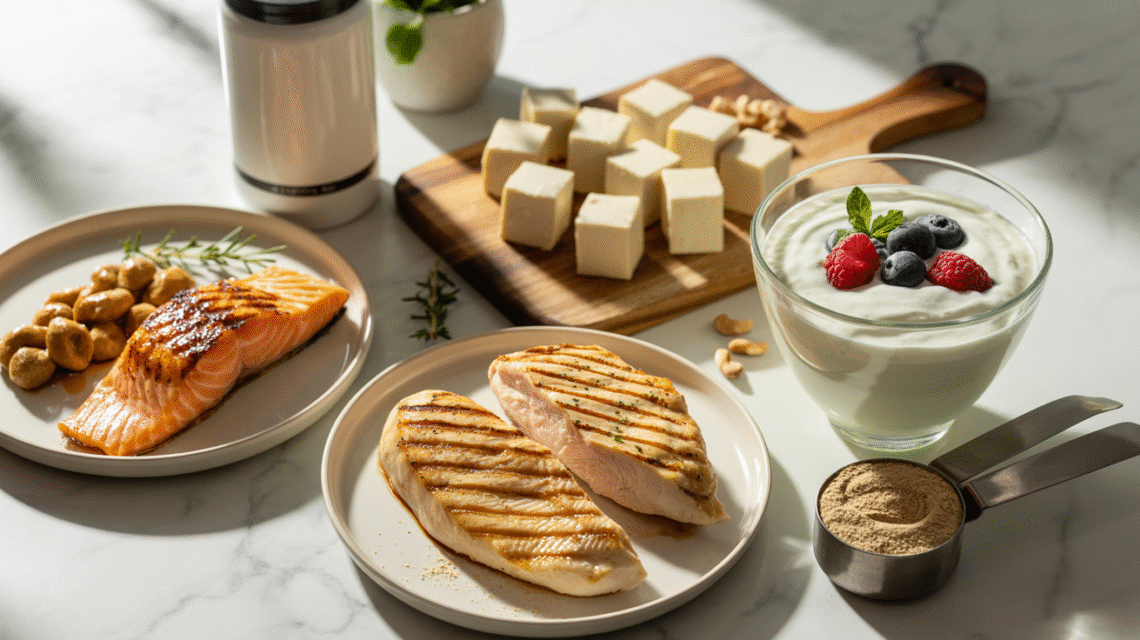
Forget the idea that nutrition is just about restriction. For the active woman, the right food to gain muscle is the ultimate high-performance fuel that bridges the gap between a tough workout and real, visible results. We know that building lean, functional strength is the key to a resilient body and a firing metabolism. But while we’re hitting the gym with intensity, the “kitchen side” of the equation often remains a puzzle. Navigating the best food to gain muscle shouldn’t feel like a guessing game of plain chicken breasts and chalky shakes.
I remember when I first started tracking my intake; I thought a single Greek yogurt was enough to support my training. Instead of feeling strong, I felt depleted. My lifts plateaued, and I wasn’t feeling as powerful as I knew I could be. Once I dialed in my actual protein needs, my recovery shifted instantly. I finally had the fuel to match my ambition. Let’s break down the science of muscle protein synthesis and figure out exactly how much you need to eat to see those gains.
Why Protein Matters for Your Muscle Goals
Protein provides the literal building blocks for your tissues. When you lift heavy things, you create tiny micro-tears in your muscle fibers. Your body uses amino acids from the food to gain muscle to repair these tears, making the fibers thicker and stronger than before. Without enough protein, your body struggles to recover, leaving you sore and stagnant.
Research suggests that protein does more than just build fiber; it also helps preserve lean mass when you’re in a calorie deficit. This means if you want to stay strong while staying lean, protein acts as your best friend and insurance policy. It keeps your hard-earned muscle safe while your body burns fat for energy.
The Thermic Effect of Food
Did you know that protein actually burns more calories just by being digested? This is called the Thermic Effect of Food (TEF). Your body uses significantly more energy to break down protein compared to fats or carbohydrates. Choosing the right food to gain muscle essentially gives your metabolism a little “spark” every time you eat.
How Much Protein Is Enough for Women?
The old-school RDA (Recommended Dietary Allowance) suggests a measly 0.8 grams of protein per kilogram of body weight. That might keep you alive, but it won’t help you set a new deadlift PR. For active women looking for food to gain muscle, we need to aim much higher. Most modern sports nutritionists recommend a range that reflects your activity level and goals.
If you are training hard 4–5 days a week, aim for 1.6 to 2.2 grams of protein per kilogram of body weight. For my friends who prefer pounds, that’s roughly 0.7 to 1 gram of protein per pound. If you weigh 140 pounds, you should target between 98 and 140 grams of protein daily. I usually aim for the higher end of that range because it keeps me full and focused throughout the day.
Calculating Your Personal Target
- Maintenance/Light Activity: 1.2–1.5g per kg.
- Muscle Gain/Heavy Lifting: 1.6–2.2g per kg.
- Fat Loss/Preserving Muscle: 2.0–2.4g per kg.
A study in Nutrients found that higher protein intakes (around 2.0g/kg) significantly improved body composition in resistance-trained women. Essentially, more protein helped these women manage fat levels while building strength simultaneously. Who wouldn’t want that kind of efficiency from their food to gain muscle?
The Best Animal-Based Food to Gain Muscle
Animal proteins are “complete” proteins, meaning they contain all nine essential amino acids your body can’t make on its own. They also tend to be highly bioavailable. This means your body absorbs and utilizes the nutrients quickly and efficiently.
Top Animal Protein Sources
- Chicken and Turkey Breast: These are the gold standards for lean protein. They offer a high protein-to-calorie ratio, making them perfect for hitting targets without overshooting calories.
- Lean Beef and Bison: These provide essential micronutrients like iron, B12, and zinc. Iron is particularly important for us women to maintain energy levels during our cycles.
- Eggs: I call these “nature’s multivitamin.” The leucine found in egg yolks acts as a primary trigger for muscle protein synthesis.
- Greek Yogurt and Cottage Cheese: These are powerhouse snacks. Casein protein in dairy digests slowly, providing a steady stream of amino acids to your muscles over several hours.
Plant-Based Options for Muscle Growth
You don’t have to eat meat to get strong. While plant proteins are sometimes lower in specific amino acids like leucine, you can easily bridge the gap by eating a variety of sources. If you rely on plant-based food to gain muscle, you just need to be a bit more intentional with your pairings.
Effective Plant Proteins
- Tempeh and Tofu: These soy-based powerhouses are complete proteins. I love air-frying tofu for a crunchy, high-protein salad topper.
- Lentils and Chickpeas: These provide a great mix of protein and fiber. Fiber keeps your gut healthy, which is crucial for nutrient absorption.
- Quinoa: Unlike most grains, quinoa contains all essential amino acids. Use it as a base for your meal prep bowls.
- Seitan: Made from wheat gluten, seitan has a texture similar to meat and packs a massive protein punch per serving.
Combine grains and legumes throughout the day to ensure you get a full amino acid profile. A classic combo like beans and rice works perfectly. Research indicates that as long as you meet your total protein and leucine requirements, the source (plant vs. animal) matters less for muscle growth. Would love to learn more about plant proteins, check out this blog post for the top source.
Timing Your Protein Intake
Does it matter when you eat your food to gain muscle? The “anabolic window”—the idea that you must drink a shake within 30 minutes of lifting—is mostly a myth. However, total daily intake and distribution still matter. Your body can only process a certain amount of protein for muscle repair at one time.
Spreading It Out
Instead of eating one giant steak at dinner, try to split your protein into 3–5 meals throughout the day. Aim for 20–40 grams of protein per meal. This keeps your muscle protein synthesis levels elevated all day long. I find that having a high-protein breakfast, like an omelet or Greek yogurt chia pudding, prevents that mid-afternoon energy crash.
Pre- and Post-Workout Nutrition
Eating a small amount of protein and carbs before you train gives you the fuel to push harder. Afterward, a protein-rich meal helps kickstart the recovery process. A simple whey or vegan protein shake works wonders if you’re on the go. Just don’t stress if you can’t eat the second you leave the gym; your body stays sensitized to protein for hours after a workout.
Supplements: Are They Necessary?
I view supplements as the “cherry on top” of a solid diet. You should get most of your nutrients from whole food to gain muscle, but supplements offer convenience. If you struggle to hit 130 grams of protein with whole foods alone, a high-quality powder makes life much easier.
- Whey Protein: This is the most studied supplement in the world. It’s fast-absorbing and rich in leucine.
- Creatine Monohydrate: This isn’t just for bodybuilders. Creatine helps you produce more energy during high-intensity lifting, which leads to better muscle gains over time.
- Casein: This is great before bed. It thickens into a pudding-like consistency and digests slowly while you sleep.
Protein supplementation significantly enhances muscle strength and size in healthy adults practicing resistance exercise. If you’re busy and need a quick fix, don’t feel guilty about using a shake to reach your goals.
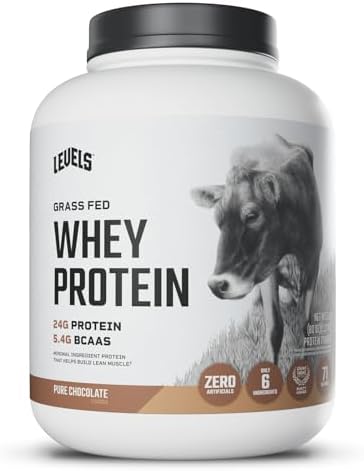
- LEVELS WHEY PROTEIN: Each scoop of Levels Pure Chocolate Whey contains 24g Protein, 5.4g BCAAs (branched-chain amino aci…
- NOTHING FAKE: Levels Whey is naturally delicious. That means no hormones, no GMOs, no added sugars, no soy, no gluten, n…
- SIMPLE & CLEAN: No fake chocolate flavor here. Levels Pure Chocolate Whey is made with delicious cold-pressed cacao and …

- Build Lean Power – Help elevate your workout results with Momentous Creatine Powder for men & women. It helps enhance po…
- Help Increase Energy – Boost your energy levels by incorporating our creatine monohydrate powder into your post-workout …
- Boost Your Results – Our creatine powder isn’t just for muscle gains. Daily creatine supplementation supports neuroprote…
Common Mistakes Women Make with Protein
One of the biggest hurdles I see is the fear of eating “too much.” Many women worry that high protein will damage their kidneys or make them look masculine. Let’s clear that up right now: unless you have a pre-existing kidney condition, high protein intake is generally safe for healthy individuals. And those “masculine” muscles? Those take years of dedicated, heavy lifting and specific hormonal profiles to achieve.
Avoiding the “Snack Trap”
Another mistake is relying on “protein bars” that are actually glorified candy bars. Always check the label! If a bar has 10 grams of protein but 30 grams of sugar, it isn’t the best food to gain muscle. Look for options where the protein count is at least 10% of the total calories.
Neglecting Carbs and Fats
Protein doesn’t work in a vacuum. You need carbohydrates to fuel your workouts and healthy fats to regulate your hormones. If you cut carbs too low, your body might actually burn protein for energy instead of using it to build muscle. Keep your plate balanced to ensure your protein can do its primary job: repair and growth.
My Sample “Muscle-Building” Day
To give you an idea of how this looks in real life, here is a typical day for me when I’m focusing on growth. This plan centers on high-quality food to gain muscle while staying delicious and satisfying.
- Breakfast: Three scrambled eggs with spinach and a side of smoked salmon. (Approx. 30g protein)
- Lunch: Grilled chicken breast over a large quinoa and kale salad with tahini dressing. (Approx. 35g protein)
- Snack: A bowl of Greek yogurt with a scoop of collagen peptides and a handful of berries. (Approx. 25g protein)
- Dinner: Baked salmon or tofu with roasted sweet potatoes and asparagus. (Approx. 30g protein)
- Post-Gym Treat: A simple chocolate protein shake or a Greek yogurt berries smoothies. (Approx. 20g protein)
This totals about 140 grams of protein. It feels like a lot of food, but it keeps me energized and prevents me from reaching for random snacks throughout the afternoon.
Building Your Strongest Self
Building muscle is a marathon, not a sprint. It requires patience, consistency in the gym, and a dedicated focus on your plate. By prioritizing the right food to gain muscle and hitting your daily protein targets, you give your body the tools it needs to transform. You aren’t just changing how you look; you’re building a body that is resilient, capable, and strong.
Start by tracking your protein for just three days. You might be surprised to find you’re eating much less than you thought! Adjust your meals, add an extra serving of lean protein here and there, and watch how your strength takes off. What is one high-protein food you can add to your grocery list this week to help you reach your goals?