If you’ve ever felt bloated, achy, or just plain tired for no clear reason, chronic inflammation might be the culprit. I learned this the hard way when I started feeling sluggish despite eating what I thought was “healthy.” Once I switched to an anti inflammation meal plan, everything changed—my energy soared, my skin looked better, and my digestion finally calmed down. If you’re curious about how to start, this guide will make it simple, practical, and delicious.
What Is an Anti Inflammation Meal Plan and Why Does It Matter?
Inflammation isn’t always bad. Your body uses it to fight infections and heal injuries. But when inflammation becomes chronic, it can increase the risk of heart disease, diabetes, and autoimmune conditions (Nature Medicine, 2019).
An anti inflammation meal plan focuses on foods that calm your body’s inflammatory response while avoiding those that trigger it. Think colorful vegetables, omega-3-rich fish, nuts, seeds, and whole grains—while cutting back on processed foods, refined sugar, and inflammatory oils. For more details on anti-inflammation diet, check out this blog post.
Science says: Diets rich in anti-inflammatory foods can lower markers like C-reactive protein (CRP) and improve overall health.

The Core Principles of an Anti Inflammation Meal Plan
1. Load Up on Plants
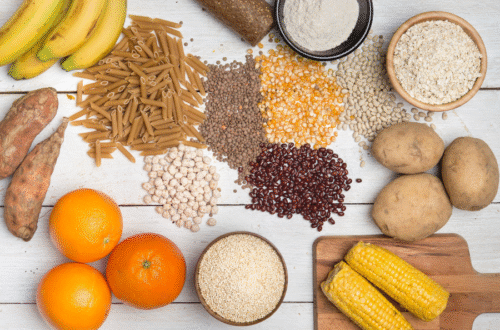
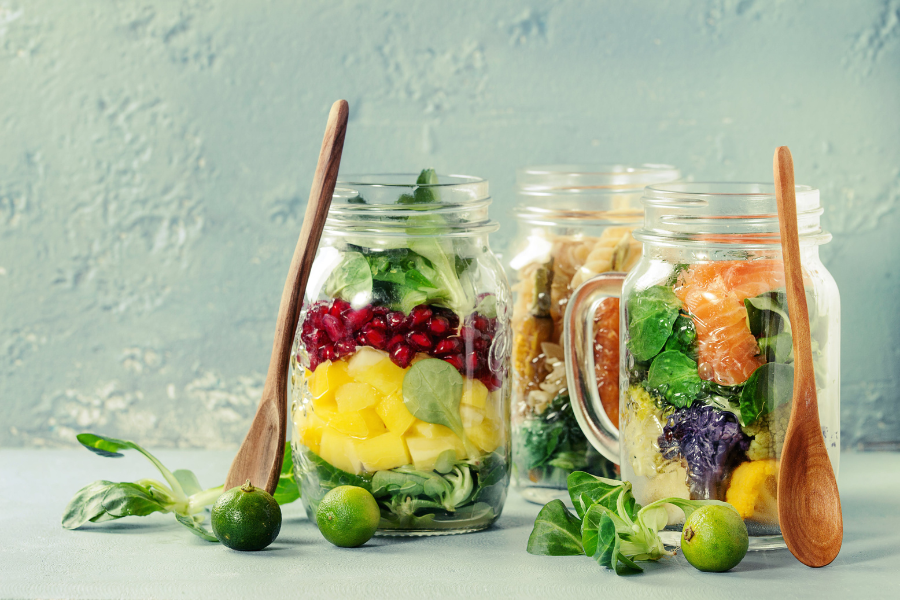
Fill your plate with vegetables and fruits in every color. They’re packed with antioxidants and phytonutrients that fight inflammation.
2. Choose Healthy Fats
Swap inflammatory oils like soybean and corn oil for extra-virgin olive oil, avocado oil, and flaxseed oil. These oils provide monounsaturated and omega-3 fats that reduce inflammation.
3. Prioritize Lean and Plant-Based Proteins
Wild salmon, sardines, lentils, and beans are excellent choices. They deliver protein without the inflammatory compounds found in processed meats.
4. Go for Whole Grains
Skip refined carbs and choose quinoa, brown rice, or oats. Whole grains provide fiber that supports gut health, which plays a big role in inflammation control.
5. Spice It Up
Turmeric, ginger, cinnamon, and garlic aren’t just flavorful—they’re anti-inflammatory powerhouses.
Foods to Avoid on an Anti Inflammation Meal Plan
- Refined carbs: White bread, pastries, sugary cereals
- Processed meats: Bacon, sausages, deli meats
- Sugary drinks: Soda, sweetened teas, energy drinks
- Inflammatory oils: Soybean, corn, sunflower, and other refined seed oils
- Ultra-processed snacks: Chips, cookies, packaged desserts
Bold takeaway: If it comes in a box with a long ingredient list, it’s probably not your friend.
7-Day Anti Inflammation Meal Plan for Beginners
Here’s a simple, beginner-friendly plan that’s easy to follow and full of flavor.
Day 1
- Breakfast: Chia seeds pudding with unsweetened almond milk, greek yogurt, blueberries, and almond butter
- Lunch: Quinoa salad with chickpeas, spinach, cherry tomatoes, and olive oil dressing
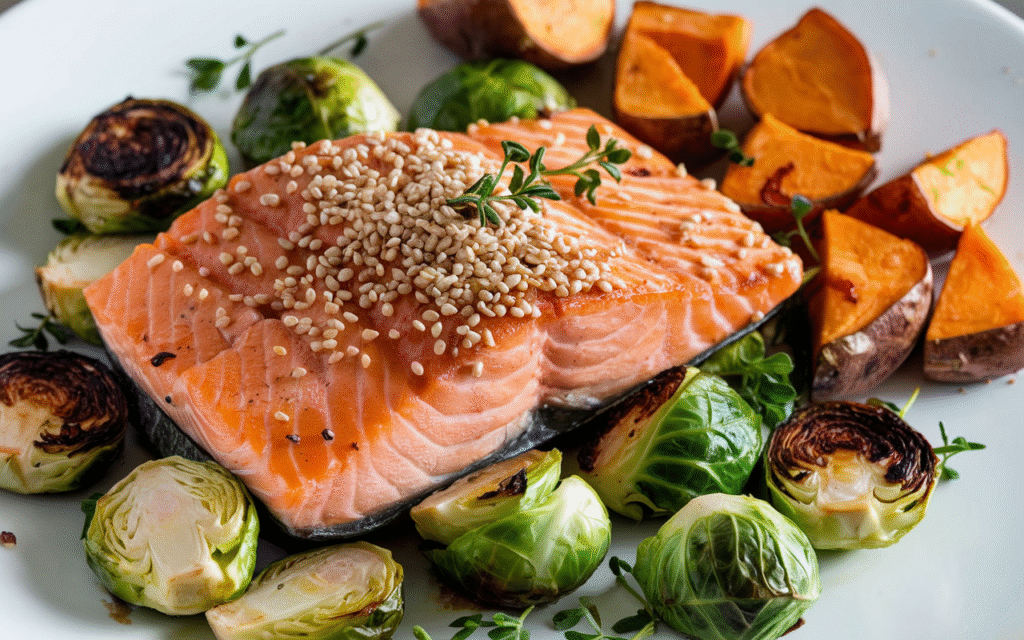
- Dinner: Grilled salmon with roasted Brussels sprouts and sweet potato

Day 2
- Breakfast: Greek yogurt with nuts and berries topped with cacao nibs and chia seeds
- Lunch: Lentil soup with carrots, celery, and turmeric
- Dinner: Baked chicken thighs with sautéed kale and quinoa
Day 3
- Breakfast: Chia seed pudding with almond milk, cinnamon, and sliced strawberries
- Lunch: Mediterranean bowl with hummus, roasted veggies, and brown rice
- Dinner: Shrimp stir-fry with broccoli, bell peppers, and ginger
Day 4
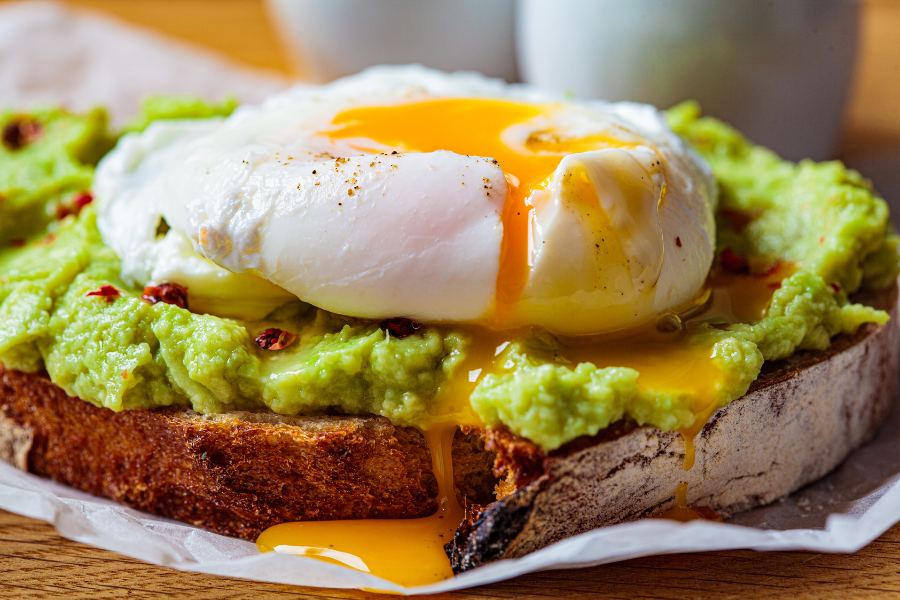
- Breakfast: Avocado toast on whole-grain bread with soft boiled eggs and hemp seeds
- Lunch: Spinach salad with grilled salmon, pumpkin seeds, and lemon vinaigrette
- Dinner: Turkey chili with black beans and diced tomatoes
Day 5
- Breakfast: Smoothie with spinach, banana, flaxseed, and plant-based protein powder (sugar-free)
- Lunch: Chickpea wrap with arugula, cucumber, and tahini sauce
- Dinner: Grilled cod with roasted asparagus and quinoa
Day 6
- Breakfast: Overnight oats with Greek yogurt topped with chia seeds, walnuts, and fresh berries
- Lunch: Buddha bowl with lentils, roasted sweet potato, and avocado
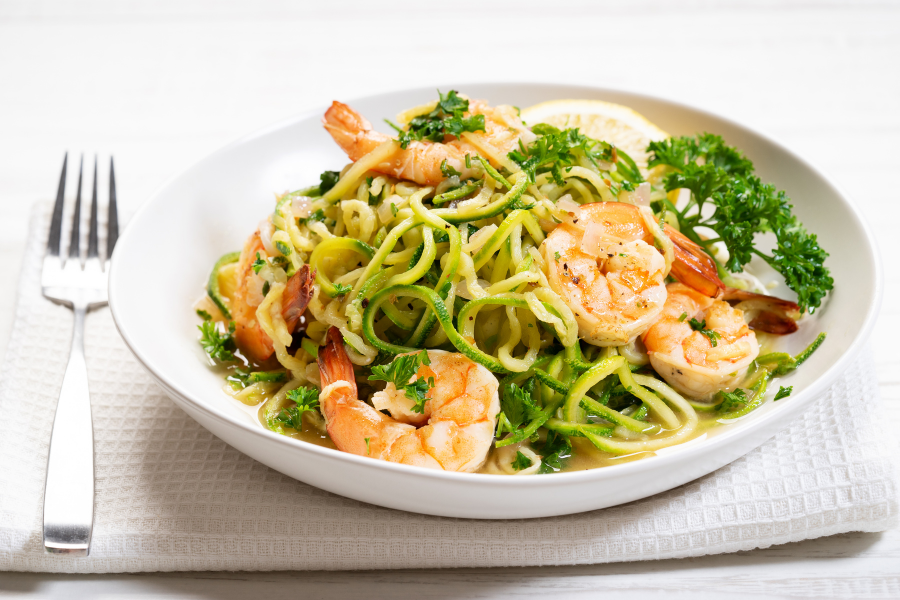
- Dinner: Zucchini noodles with pesto and grilled prawns
Day 7
- Breakfast: Scrambled eggs with spinach, feta cheese and turmeric, served with avocado slices
- Lunch: Quinoa chickpea tabbouleh with parsley, cucumber, tomato and olive oil
- Dinner: Baked salmon with roasted cauliflower and wild rice
Snack Ideas for an Anti Inflammation Meal Plan
- Apple slices with almond butter
- Handful of almonds, cashews or pistachios
- Carrot sticks or celery with hummus
- Greek yogurt bowl with fruits and cacao nibs for extra crunchy
Why Healthy Fats Matter in an Anti Inflammation Meal Plan
Not all fats are created equal. Inflammatory oils like soybean and corn oil are high in omega-6 fatty acids, which can promote inflammation when consumed in excess. Instead, choose non-inflammatory oils like extra-virgin olive oil and avocado oil. These oils provide monounsaturated fats and antioxidants that protect your cells.
Pro tip: Cook with avocado oil for high-heat roasting and use olive oil for salads and low-heat cooking.
How to Make This Meal Plan Work for You
- Prep ahead: Roast a tray of veggies and cook a batch of sweet potato or quinoa in the weekend.
- Stock your pantry: Keep olive oil, nuts, seeds, and spices on hand.
- Stay flexible: Swap proteins or veggies based on what’s in season or on sale.
My Personal Experience
When I started following an anti inflammation meal plan, I noticed changes within two weeks. My energy improved, my skin cleared, and my digestion felt lighter. The best part? I didn’t feel deprived. These meals are colorful, flavorful, and satisfying.
Conclusion
An anti inflammation meal plan isn’t a fad—it’s a lifestyle that supports long-term health. By focusing on whole foods, healthy fats, and vibrant plants, you can reduce inflammation and feel your best. Start small: swap refined oils for olive oil, add a handful of berries to breakfast, or sprinkle turmeric on your eggs. These little steps add up to big results.
So, are you ready to give your body the love it deserves? Try this 7-day plan and see how amazing you can feel.