Picture this: You’re standing in your kitchen, staring at your plate, wondering if what you’re about to eat is actually balanced. I’ve been there too—trying to figure out if I’m getting enough veggies, protein, and carbs without overthinking every bite. That’s exactly why I love the healthy plate method. It’s simple, visual, and honestly, a game-changer for anyone who wants to eat better without counting calories or obsessing over macros.
In this guide, I’ll walk you through how to build a healthy plate step by step. Think of it as your friendly cheat sheet for creating meals that look good, taste amazing, and keep your body happy.
Why the Healthy Plate Method Works
Before we dive into the details, let’s talk about why this method is so popular. The healthy plate approach focuses on balance and variety, not restriction. Instead of eliminating food groups, it teaches you how to portion them in a way that supports energy, satiety, and overall health.
Here’s why it works:
- Visual simplicity: No math, no apps—just your plate as a guide.
- Flexibility: Works for any cuisine or dietary preference.
- Science-backed: Studies show balanced meals help regulate blood sugar and improve nutrient intake.
The Core Formula for a Healthy Plate
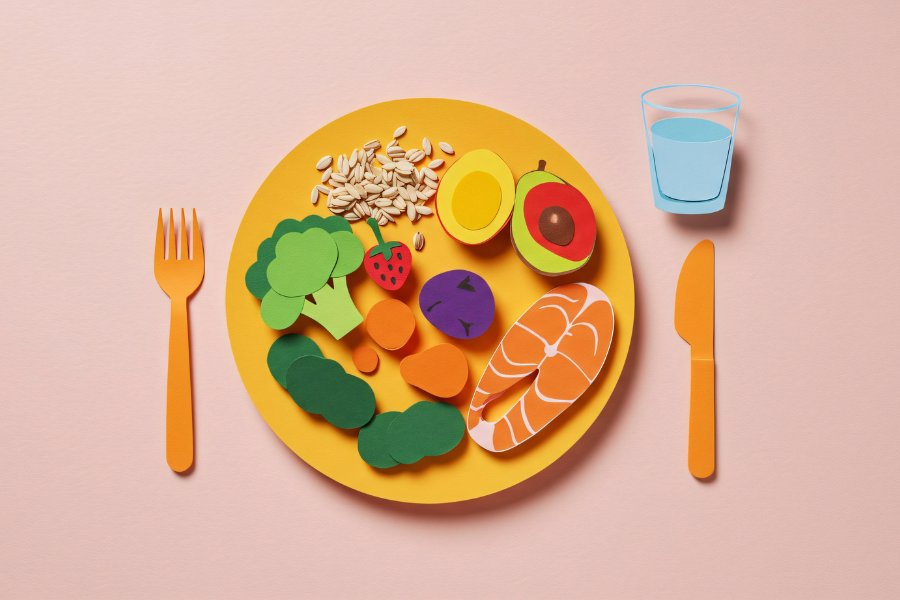
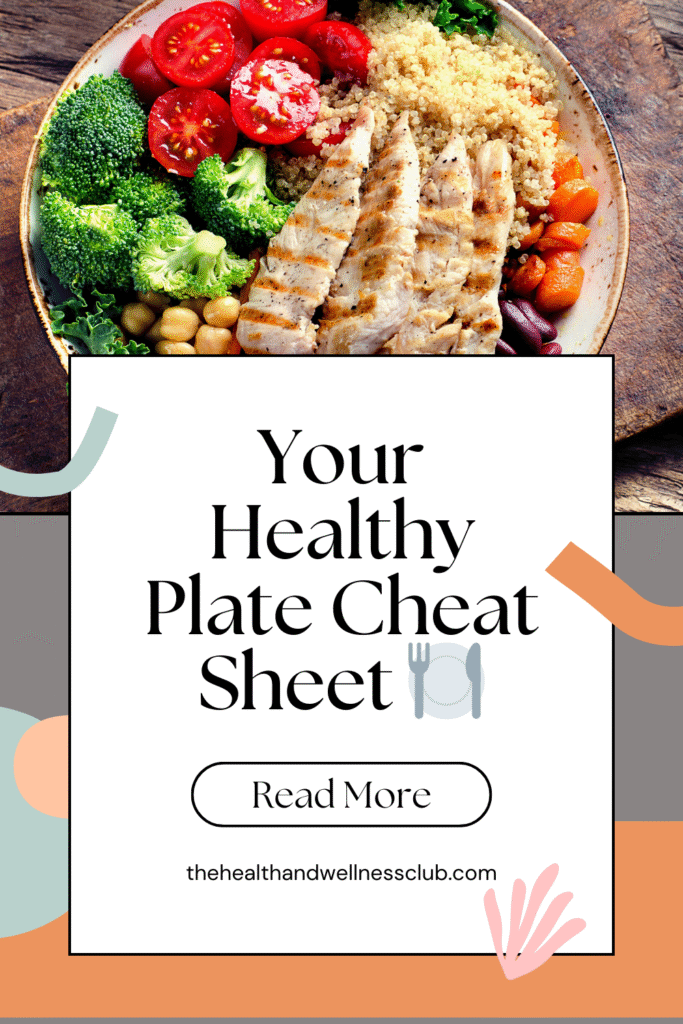
So, what does a healthy plate actually look like? Imagine your plate divided into sections:
- ½ plate: Colorful vegetables and fruits
- ¼ plate: Lean protein
- ¼ plate: Whole grains or starchy carbs
- Plus: A small portion of healthy fats
This formula is simple, but it’s powerful. Let’s break it down.
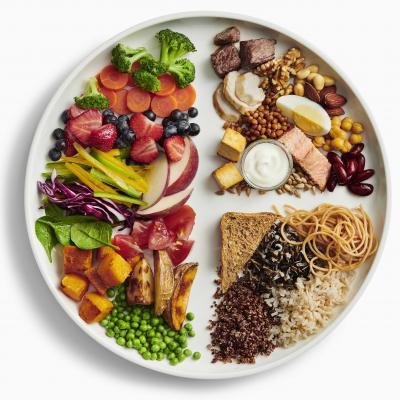
Half Your Plate: Veggies and Fruits
Load up on non-starchy vegetables like broccoli, spinach, peppers, and zucchini. These are packed with fiber, vitamins, and antioxidants that keep your body running smoothly. Fruits add natural sweetness and extra nutrients.
Why this matters: Research shows diets rich in vegetables and fruits lower the risk of chronic diseases like heart disease and diabetes.
Quick tips:
- Mix raw and cooked veggies for variety.
- Aim for at least three colors on your plate—think green, red, and orange.
- Fresh, frozen, or lightly steamed all work.
Quarter Your Plate: Lean Protein
Protein isn’t just for gym buffs—it’s essential for muscle repair, hormone balance, and satiety. Choose lean sources like:
- Chicken or turkey
- Fish (salmon, tuna, cod)
- Eggs
- Plant-based options like tofu or lentils
Pro tip: If you’re short on time, keep pre-cooked proteins like grilled chicken, grilled salmon or boiled eggs in your fridge. They make building a healthy plate effortless.
Quarter Your Plate: Whole Grains or Starchy Carbs
Carbs aren’t the enemy—they’re your body’s main energy source. The trick is choosing quality carbs:
- Brown rice
- Quinoa
- Whole wheat pasta
- Sweet potatoes (eat it cooled, and you can enjoy the benefits of resistant starch as well)
These provide fiber and slow-digesting energy, which helps keep blood sugar stable.
Don’t Forget Healthy Fats
Healthy fats make meals satisfying and support brain health. Add small amounts like:
- Olive oil drizzle
- Avocado slices
- Nuts or seeds
How to Build a Healthy Plate for Different Meals
Now that you know the formula, let’s apply it to real-life meals.
Breakfast Ideas
- Option 1: Greek yogurt (protein) + berries (fruit) + sprinkle of chia seeds and cacao nibs (healthy fat and fiber) + whole grain toast.
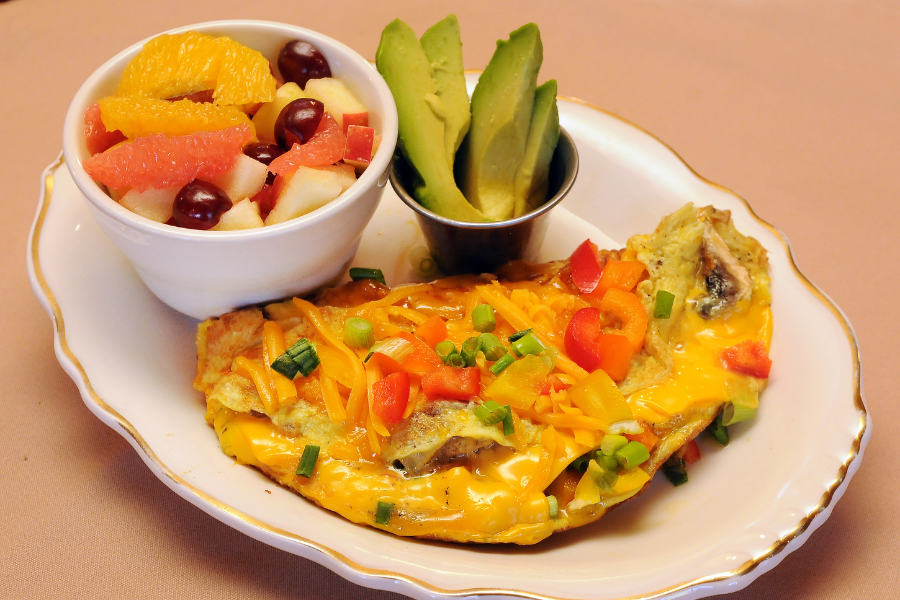
- Option 2: Veggie omelet (protein + veggies) + avocado slices + small serving of fresh fruits.
Lunch Ideas
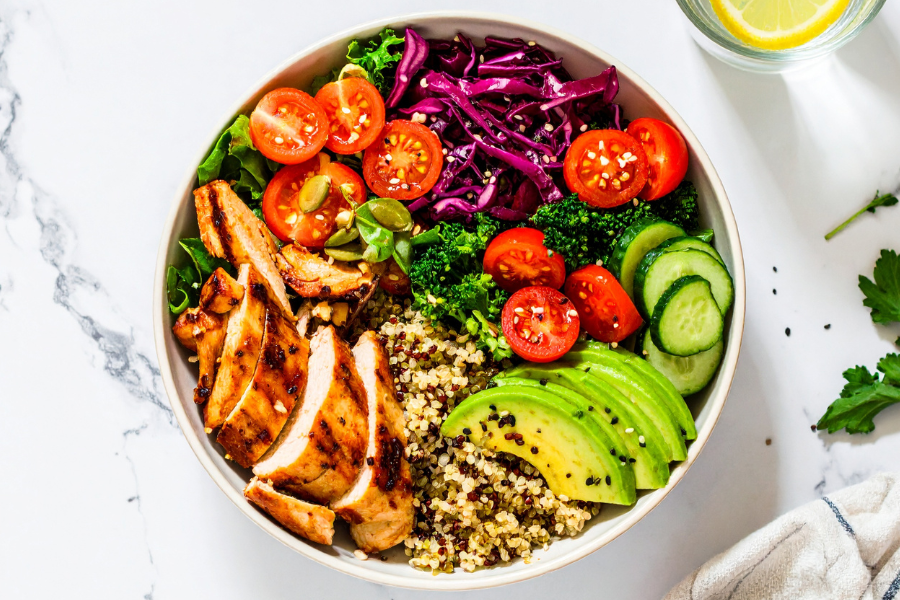
- Option 1: Grilled chicken salad with mixed greens, cherry tomatoes, quinoa, and olive oil dressing.
- Option 2: Salmon bowl with brown rice, steamed broccoli, and sesame seeds.
Dinner Ideas
- Option 1: Turkey chili with beans (protein + carbs) and a side of roasted veggies.
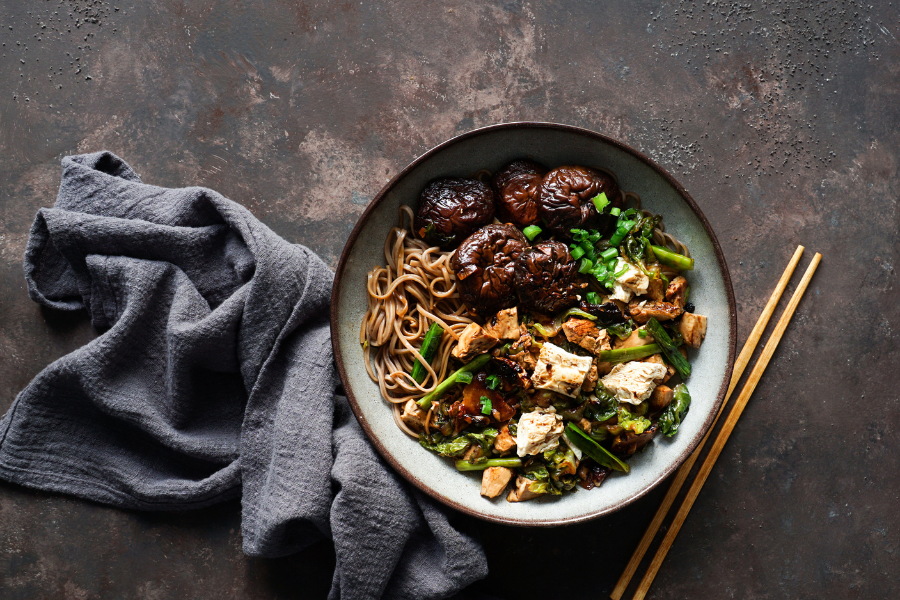
- Option 2: Stir-fry with tofu, veggies, mushrooms and soba noodles.
Healthy Plate vs. Other Diet Methods
Here’s why I prefer the healthy plate method over calorie counting or fad diets:
- Less stress: No tracking apps or complicated rules.
- More freedom: You can enjoy cultural dishes without guilt.
- Better sustainability: It’s a lifestyle, not a quick fix.
Common Mistakes to Avoid
Even simple methods can go wrong if you’re not careful. Watch out for these:
- Overloading carbs: That quarter section can easily become half if you’re not mindful.
- Skipping veggies: They’re the foundation of your plate—don’t skimp!
- Ignoring portion sizes for fats: A drizzle of olive oil is great; half a cup isn’t.
Healthy Plate for Weight Loss
If your goal is weight loss, the healthy plate method still works. Just tweak portions slightly:
- Fill ½ plate with veggies (low-calorie, high-volume).
- Keep protein lean and moderate.
- Choose whole grains but watch serving size.
- Limit added fats to small amounts.
Healthy Plate for Busy Adults
I know life gets hectic. Here’s how I make it work when time is tight:
- Meal prep: Chop veggies and cook proteins in bulk.
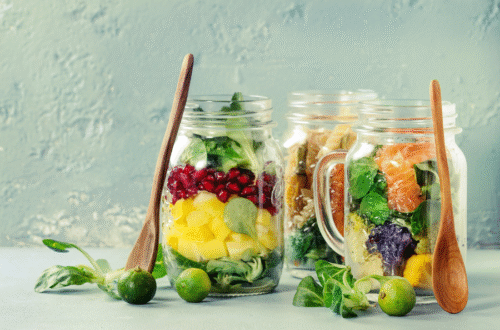
- Use dividers: Healthy plate lunch boxes make portioning foolproof.
- Quick swaps: Frozen veggies and pre-cooked grains save time without sacrificing nutrition.
Scientific Backing for the Healthy Plate Method
This isn’t just a trend—it’s backed by research. According to research, balanced meals improve satiety and nutrient absorption compared to restrictive diets. Another study found that visual portion guides help people make healthier choices without feeling deprived.
Final Thoughts
Building a healthy plate isn’t about perfection—it’s about progress. Every balanced meal is a step toward better energy, improved health, and a happier relationship with food. I’ve used this method for years, and it’s honestly the easiest way to stay consistent without feeling overwhelmed.
So next time you’re plating your meal, remember this simple visual guide: ½ veggies and fruits, ¼ protein, ¼ whole grains, plus a touch of healthy fat. It’s that easy.
Ready to give it a try? Start with your next meal and see how good it feels to eat balanced without overthinking. Trust me—you’ll love the simplicity.