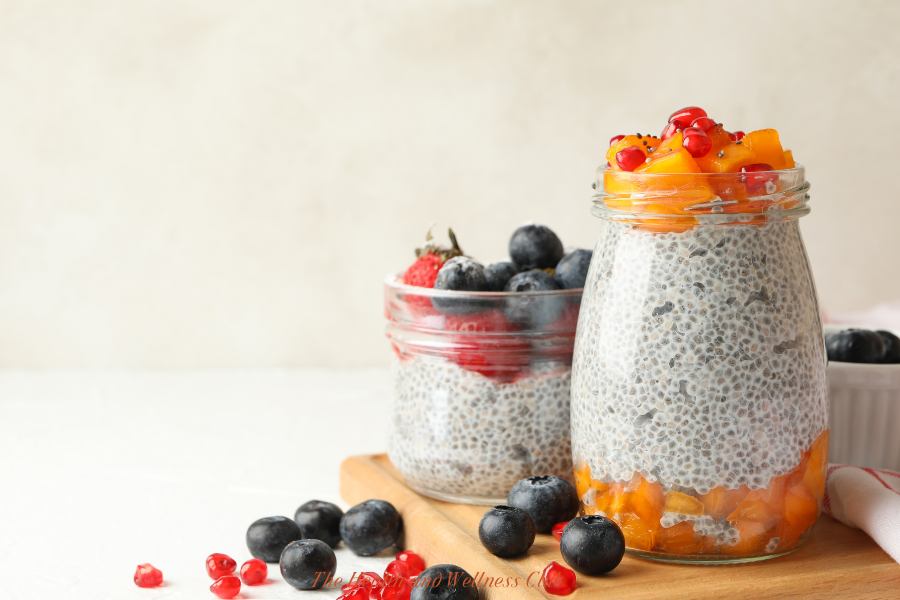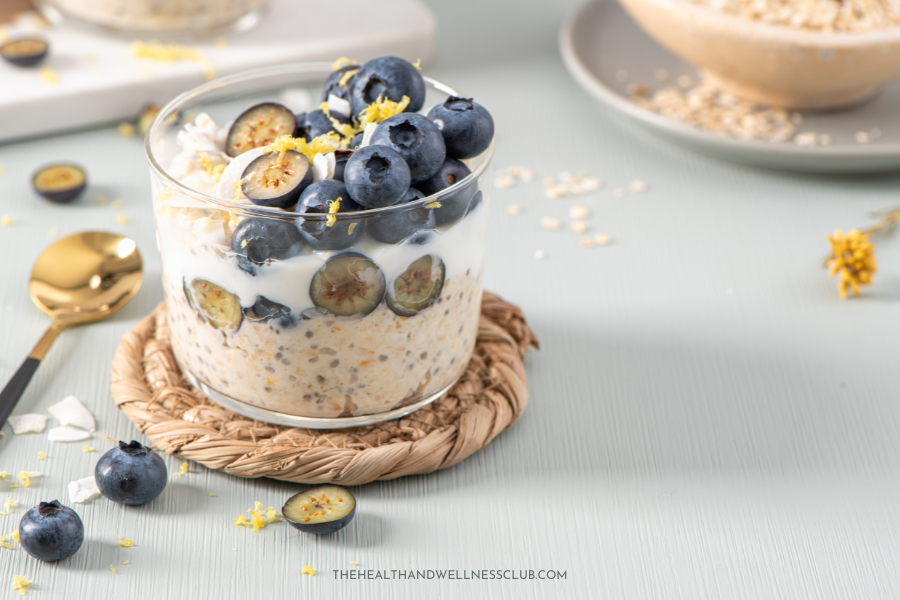
I’m more of a chia pudding person most mornings. But overnight oats? They’ve earned a permanent spot in my fridge for one reason: they’re not just convenient—they’re smart. And when you understand how resistant starch works, you’ll see why this simple prep can transform your breakfast into a gut-friendly, blood-sugar-balancing powerhouse.
If you’ve been making overnight oats for the ease factor, you’re already winning. But let’s take it up a notch and talk about the science behind resistant starch—and how to make your oats work harder for your health.
What Exactly Is Resistant Starch?
Here’s the quick scoop: resistant starch is a type of carbohydrate that resists digestion in your small intestine. Instead of breaking down into glucose like regular starch, it travels to your large intestine and acts like fiber.
Think of it as a VIP guest for your gut microbiome—it feeds the good bacteria, supports digestion, and even helps regulate blood sugar.
And here’s the magic: overnight oats naturally develop resistant starch during the soaking process. When oats chill in the fridge, their starch structure changes through a process called retrogradation. That’s why overnight oats aren’t just trendy—they’re functional.
Why Overnight Oats Are the Perfect Resistant Starch Delivery System
Sure, you can find resistant starch in green bananas or cooked-and-cooled potatoes, but overnight oats are way more versatile and fun.
Here’s why they’re a winner:
- Convenience: Prep once, enjoy for days.
- Customization: Add fiber-rich toppings, protein, and flavor boosters.
- Gut-Friendly: Resistant starch plus prebiotic add-ins = happy microbiome.
If you’re already making overnight oats, you’re halfway there. Now let’s unlock their full potential.
The Science-Backed Benefits of Resistant Starch
This isn’t just wellness hype—research backs it up. Here’s what resistant starch brings to the table:
1. Better Blood Sugar Control
Resistant starch slows digestion, which means a gentler rise in blood sugar after meals. A study in Nutrition & Metabolism found that resistant starch can improve insulin sensitivity over time. That’s huge if you want steady energy and fewer crashes.
2. Improved Gut Health
When resistant starch reaches your large intestine, it ferments and produces short-chain fatty acids like butyrate. These compounds support colon health and reduce inflammation. According to The American Journal of Clinical Nutrition, butyrate plays a role in protecting against colorectal cancer.
3. Increased Satiety
Ever notice how overnight oats keep you full for hours? Resistant starch helps by slowing digestion and promoting satiety hormones, so you’re less likely to snack before lunch.
4. Potential Weight Management Support
While it’s not a magic bullet, the combination of better blood sugar control and satiety can support healthy weight goals.
How Overnight Oats Create Resistant Starch
Here’s the fun science-meets-kitchen moment:
When you soak oats overnight, the starch molecules reorganize as they cool. This retrogradation process makes some starches “resistant” to digestion. The longer they chill, the more resistant starch they form.
Pro tip: Keep your oats in the fridge for at least 12 hours. Longer chilling = more resistant starch. Meal prepping for the week? Even better.
Overnight Oats vs. Cooked Oats: Which Wins?
Let’s compare:
- Cooked Oats: Warm and cozy, but most starch remains digestible.
- Overnight Oats: Cold, creamy, and packed with resistant starch thanks to retrogradation.
If gut health and blood sugar balance matter to you, overnight oats take the crown. But hey, there’s room for both—sometimes you just need that comforting bowl.
How to Supercharge Your Overnight Oats for Maximum Benefits
Ready to level up? Here’s how:
1. Choose the Right Oats
Stick with rolled oats or steel-cut oats. Avoid instant oats—they digest faster and cause a bigger blood sugar spike. Rolled oats keep the texture creamy and help maintain a steadier glucose response.
2. Add High-Fiber, Low-Sugar Boosters
Pair resistant starch with other gut-friendly, blood-sugar-friendly ingredients:
- Chia seeds (fiber + omega-3s) (this blog post for more details on why you should add chia seeds to your meals)
- Ground flaxseed (healthy fats + lignans)
- Cacao nibs (antioxidants + crunch)
- Berries (low sugar, high fiber)
These add-ins make your oats more satisfying and help blunt glucose spikes naturally.
3. Skip Sweeteners
Honey, maple syrup, or sugar? Hard pass. They’ll undo the blood sugar benefits you’re aiming for. Let fruit and cacao nibs bring natural flavor.
4. Chill Long Enough
Aim for at least 12 hours in the fridge. Overnight is great, but a full day? Even better for resistant starch formation.
Does Resistant Starch Survive Add-Ins Like Yogurt or Milk?
Absolutely. Whether you use almond milk, Greek yogurt, or oat milk, the resistant starch stays intact. In fact, pairing oats with protein-rich yogurt makes your breakfast even more balanced.
Common Myths About Overnight Oats and Resistant Starch
Let’s clear up a few misconceptions:
- Myth 1: Fruit kills resistant starch. Nope—fruit doesn’t affect starch structure.
- Myth 2: You need special oats. Regular rolled oats work perfectly.
- Myth 3: Overnight oats are sugar bombs. Only if you load them with sweeteners. Keep it simple, and they’re naturally wholesome.
Recipe for Gut Health & Blood Sugar Balance
Here’s a version that prioritizes fiber, resistant starch, and flavor without spiking your blood sugar:
Ingredients:
- ¼ cup rolled oats
- 3 tbsp chia seeds
- ½ cup unsweetened almond milk
- 2 tbsp Greek yogurt (optional for protein)
- 1 tsp ground flaxseed
- 1 tbsp cacao nibs
- A handful of berries
Instructions:
- Mix everything in a jar.
- Refrigerate for at least 12 hours (longer = more resistant starch).
- Top with extra berries or cacao nibs before serving.
This combo uses less oats and more chia seeds for extra fiber and omega-3s, while cacao nibs add crunch and fiber without sugar. It’s creamy, satisfying, and keeps your blood sugar steady.

Why I Love This Approach
I still enjoy chia pudding most days, but overnight oats with these tweaks? They’re a game-changer. Just like chia pudding, they save time, taste amazing, and make me feel good knowing I’m feeding my gut the right stuff. Plus, the creative possibilities are endless—every jar feels like a mini experiment in flavor and nutrition.
Final Thoughts
If you love overnight oats, you’re already ahead of the curve. But now you know the secret: resistant starch. It’s not just about convenience—it’s about turning breakfast into a functional food that supports your gut, blood sugar, and overall well-being.
So, grab those jars, soak those oats, and let science work its magic while you sleep. Your microbiome will thank you, and your mornings will feel effortless.
Ready to try it? Make a batch tonight and see how good it feels to start your day with a gut-friendly boost.