Ever stood in the grocery aisle, holding a box of granola bars, and felt completely stuck staring at that tiny black-and-white panel? I’ve been there—squinting at numbers, wondering if “% Daily Value” is a friend or foe. Reading nutrition labels shouldn’t feel like decoding a secret language, yet for many of us, it does. The good news? It doesn’t have to. Today, I’ll walk you through how to read nutrition labels without getting overwhelmed, using simple steps that make sense in real life.
I’ve learned these tricks through years of experimenting with healthy swaps and guiding busy adults toward smarter choices. So grab your favorite snack (yes, even the chocolate one), and let’s make those labels work for you—not against you.
Why Nutrition Labels Matter
Before we dive into the nitty-gritty, let’s talk about why these labels deserve your attention. They’re not just there to fill space on packaging—they’re your roadmap to better health. According to the Journal of the Academy of Nutrition and Dietetics, people who regularly read nutrition labels tend to make healthier food choices and maintain better weight control. That’s a win worth the effort.
Think of nutrition labels as your personal cheat sheet. They tell you what’s inside, how much energy you’ll get, and whether that snack is a nutrient powerhouse or a sugar bomb. Once you know how to read them, you’ll feel empowered—not confused.
Step 1: Start with the Serving Size
Here’s the first rule: always check the serving size. It’s the sneaky little number that sets the stage for everything else. If the serving size says ½ cup and you eat a full cup, you’re doubling every number on that label—calories, fat, sugar, all of it.
Quick tip:
- Compare serving size to what you actually eat.
- If you’re pouring cereal, measure it once—you’ll be surprised how different your “eyeballed” portion is.
Why does this matter? Because serving size is the anchor. Without it, the rest of the label is meaningless.
Step 2: Look at Calories—But Don’t Stop There
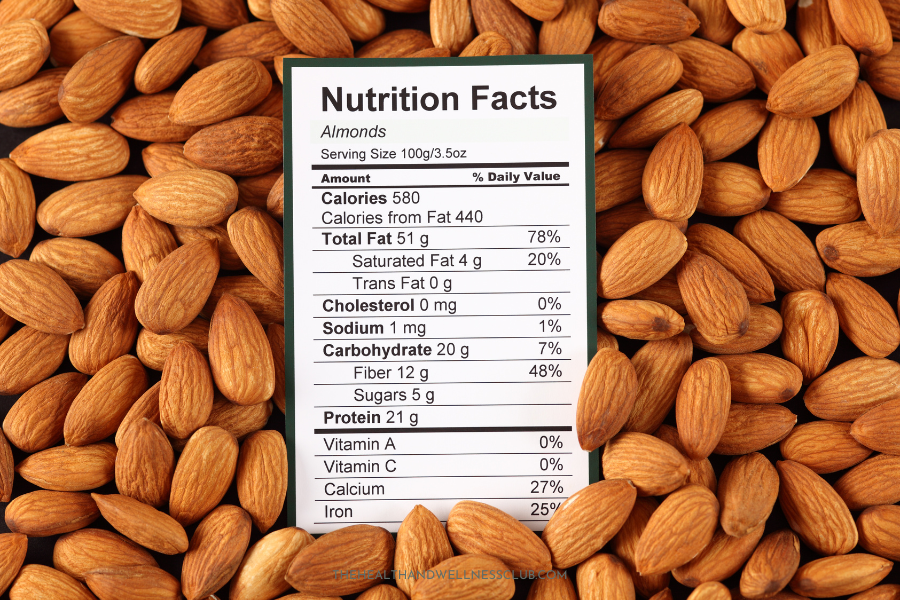
Calories get all the attention, but they’re just one piece of the puzzle. Yes, they tell you how much energy you’ll get, but they don’t reveal the quality of that energy. A 200-calorie snack could be a nutrient-rich nut mix or a sugary candy bar. Big difference, right?
A 200-calorie nut mix gives you more than just energy—it delivers healthy fats, protein, and fiber, which help keep you full and support heart health. In contrast, a 200-calorie candy bar is mostly added sugar and refined carbs, which spike your blood sugar and leave you hungry soon after. Regularly eating foods like this can also contribute to chronic inflammation, according to research published in Nutrients. Research shows that snacks rich in protein and fiber improve satiety and reduce overeating, while high-sugar snacks can lead to energy crashes.
Here’s what I do:
- I glance at calories to get a quick idea.
- Then I move straight to the nutrient breakdown. That’s where the real story lives.
Step 3: Decode the Macronutrients
This is where most people feel overwhelmed, but trust me—it’s easier than it looks. Focus on these three:
Protein
Protein keeps you full and supports muscle health. If you’re choosing snacks, aim for at least 3–5 grams of protein per serving. According to a study, higher protein intake can help with appetite control.
Fat
Not all fats are villains. Look for unsaturated fats (think nuts, seeds, avocado) and keep saturated fat in check. Trans fats? Hard pass. They’re linked to heart disease.
Carbohydrates
Here’s the tricky part: carbs include fiber, sugar, and starch.
- Fiber is your friend—it supports digestion and helps you feel full.
- Sugar? Keep it low, especially added sugars. The American Heart Association recommends no more than 25g per day for women.
Step 4: Understand % Daily Value
This number trips up a lot of people, but it’s actually helpful once you know the trick. % Daily Value (%DV) shows how much a nutrient contributes to your daily needs based on a 2,000-calorie diet.
Here’s my cheat sheet:
- 5% DV or less = low
- 20% DV or more = high
So if fiber is 20% DV, that’s awesome. If saturated fat is 20%, maybe rethink that choice.
Step 5: Scan the Ingredients List
The ingredient list is where brands hide the truth. It’s ordered by weight, so the first few items matter most. If sugar shows up in the top three, you know what’s going on.
Watch out for:
- Multiple names for sugar (fructose, maltose, syrup).
- Long chemical-sounding words—usually additives or preservatives.
I always say: shorter ingredient lists usually mean cleaner food.
Step 6: Spot the Sneaky Additions
Even “healthy” foods can surprise you. Yogurt? Sometimes loaded with sugar. Granola? Often high in fat and sweeteners. That’s why I check for:
- Added sugars (look for “includes Xg added sugars”).
- Sodium—especially in packaged meals. High sodium can raise blood pressure (Hypertension Journal confirms this).
Common Label Myths—Busted
Myth 1: “Low-fat” means healthy
Not always. Many low-fat products compensate with extra sugar. Always check the full picture.
Myth 2: “Natural” means clean
“Natural” is a marketing term, not a guarantee. Read the ingredients.
Myth 3: Calories are everything
Quality matters more than quantity. A balanced nutrient profile beats low calories every time.
Quick Hacks to Make Label Reading Easier
- Use the 5-20 Rule: Low is 5%, high is 20%.
- Prioritize protein and fiber: They keep you full and energized.
- Limit added sugars and sodium: These creep in fast.
- Ignore the front of the package: Claims like “heart healthy” or “low carb” can mislead. Flip it over and check the facts.
Why This Matters for Your Health Goals
Whether you’re aiming for weight loss, better energy, or just smarter choices, understanding nutrition labels gives you control. It’s like having insider info—once you know what those numbers mean, you can shop with confidence.
Personally, learning this changed how I eat. I stopped falling for “healthy-looking” snacks and started picking foods that actually support my goals. And guess what? It feels empowering.
Final Thoughts
Reading nutrition labels doesn’t have to feel like a chore. Start with serving size, glance at calories, then dig into the nutrients that matter—protein, fiber, healthy fats. Use the %DV as your guide, and don’t forget the ingredient list. The more you practice, the easier it gets.
Next time you’re in the store, grab a product and test these steps. You’ll feel like a pro in no time. And trust me—once you master this skill, you’ll never look at food the same way again.
Key Takeaways
- Serving size sets the stage.
- Calories aren’t the whole story.
- Protein and fiber are your best friends.
- Watch added sugars and sodium.
- Ingredient lists reveal the truth.
So go ahead—flip that package over and own your choices. You’ve got this.