You know that feeling when your body feels light, energized, and just good? That’s often the magic of eating the right foods. When I first started focusing on anti-inflammatory eating, I felt like I had unlocked a secret weapon for better health. But here’s the thing—choosing the best anti-inflammatory foods isn’t just about grabbing a random list from the internet. It’s about understanding what works for your body, your lifestyle, and your taste buds. This blog post is all about the best anti-inflammatory foods you can add to your meals. So, let’s talk about how to make smart, delicious choices that actually fit into your meals.
Why Anti-Inflammatory Foods Matter
Chronic inflammation can sneak up on you. It’s linked to issues like heart disease, diabetes, and even fatigue. The good news? Your plate can help fight it. According to research, diets rich in anti-inflammatory foods can reduce markers of inflammation and improve overall health.
So, what makes a food anti-inflammatory? Typically, these foods are packed with antioxidants, omega-3 fatty acids, fiber, and phytonutrients. They help calm your body’s inflammatory response and support long-term wellness.
If you would like to learn more about anti-inflammatory diet, check out this blog post and this blog post.
Step 1: Understand the Core Principles
Before you start tossing kale into everything, let’s break down the basics of choosing the best anti-inflammatory foods:
- Whole, minimally processed foods: Think fresh veggies, fruits, nuts, seeds, and lean proteins.
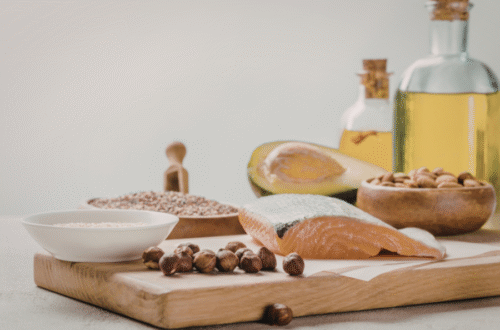
- Healthy fats: Omega-3s from fish or plant-based sources like chia seeds. Limit oils high in omega-6s (such as soybean, corn, and sunflower oil) because excess omega-6 can promote inflammation. Choose olive oil or avocado oil instead.
- Low glycemic index carbs: Sweet potatoes, quinoa, and oats.
- Spices and herbs: Turmeric, ginger, and cinnamon pack a powerful punch.
When you keep these principles in mind, you’ll naturally gravitate toward foods that support your body.
Step 2: Build Your Anti-Inflammatory Pantry
Here’s where it gets fun. Stocking your kitchen with the best anti-inflammatory foods makes healthy eating effortless. Here are some staples I always keep on hand:
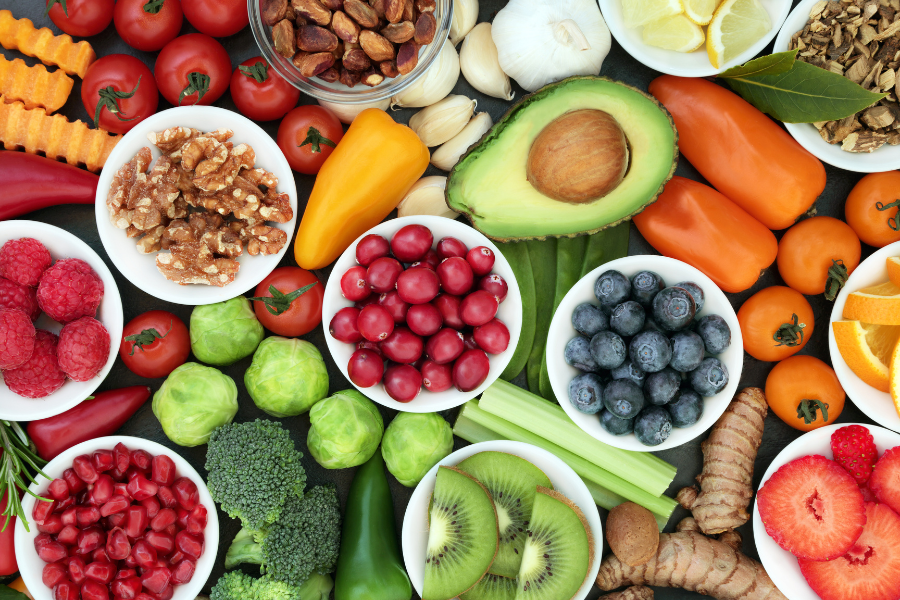
- Leafy greens: Spinach, kale, and arugula.
- Colorful veggies: Broccoli, bell peppers, tomatoes, eggplants and Brussels sprouts.
- Berries: Blueberries, raspberries, and strawberries.
- Healthy fats: Extra virgin olive oil, avocado, walnuts and almonds.
- Protein sources: Salmon, mackerel, and lentils.
- Spices: Turmeric, ginger, and garlic.
Pro tip: I love roasting a big tray of mixed veggies on Sunday. It saves me so much time during the week and makes it easy to throw together quick meals.
Step 3: Balance Flavor and Function
Let’s be real—if your food doesn’t taste good, you won’t stick with it. The beauty of the best anti-inflammatory foods is that they’re naturally flavorful. Here’s how I make them shine:
- Add citrus: A squeeze of lemon brightens up greens.
- Use herbs and spices generously: Herbs like fresh basil or cilantro and spices like turmeric and ginger can transform a dish in a healthy and delicious way. Check out this blog post for the full list and details of different anti-inflammatory spices you can add to your meals.
- Play with textures: Pair crunchy nuts with creamy avocado for a satisfying bite.
When you enjoy your meals, you’ll never feel like you’re “on a diet.”
Step 4: Watch Out for Sneaky Inflammatory Foods
Even if you load up on anti-inflammatory foods, certain ingredients can sabotage your efforts. Here are the usual suspects:
- Refined carbs: White bread, pastries, and sugary snacks.
- Processed meats: Bacon, sausages, and deli meats.
- Trans fats: Often hiding in packaged snacks and fried foods.
I call these “sneaky inflammatory foods” because they often show up in everyday meals. Reading labels and cooking at home can help you avoid them.
Step 5: Customize for Your Lifestyle
Not everyone eats the same way, and that’s okay. Here’s how to adapt the best anti-inflammatory foods to your routine:
If You’re Always Busy
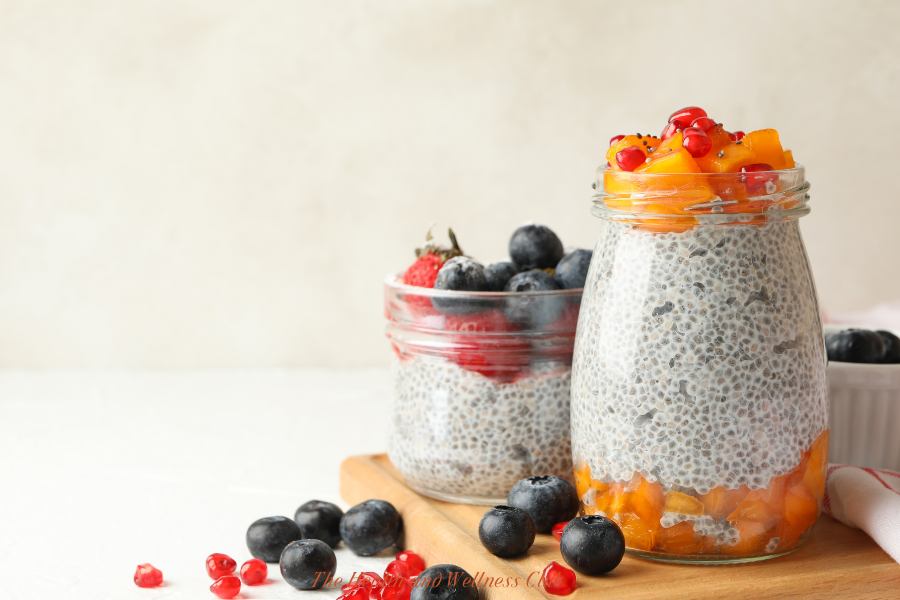
- Prep overnight oats with chia seeds and berries.
- Keep roasted chickpeas or nuts in your bag for quick snacks.
If You Love Comfort Food
- Swap white pasta for whole-grain or lentil pasta.
- Make a creamy soup with cauliflower and turmeric instead of heavy cream.
If You’re on a Budget
- Buy frozen berries—they’re just as nutritious as fresh.
- Choose seasonal veggies to save money without sacrificing quality.
Step 6: Pair Science with Common Sense
I’m a big believer in blending research with real life. Studies in the Journal of the American College of Cardiology show that diets rich in fruits, vegetables, and omega-3s can significantly lower inflammation markers. But here’s the truth: you don’t need to eat exotic superfoods to see results. Simple swaps—like using olive oil instead of vegetable oil—make a huge difference.
Sample Meal Ideas Using the Best Anti-Inflammatory Foods
Need inspiration? Here are a few of my go-to meals:
- Breakfast: Overnight oats with chia seeds, blueberries, and a drizzle of almond butter.
- Lunch: Quinoa salad with spinach, roasted sweet potatoes, avocado, and a lemon-tahini dressing.
- Dinner: Grilled salmon with a side of sautéed kale and garlic.
- Snack: A handful of walnuts and a few slices of apple.
These meals are quick, flavorful, and packed with anti-inflammatory goodness.
Common Mistakes to Avoid
Even with the best intentions, it’s easy to slip up. Here are a few pitfalls:
- Overloading on “healthy” snacks: Nuts are great, but portion control matters.
- Ignoring hidden sugars: Check sauces and dressings—they often contain added sugar.
- Skipping variety: Eating the same foods every day can lead to nutrient gaps.
Final Thoughts
Choosing the best anti-inflammatory foods isn’t about perfection—it’s about progress. Start small. Add a handful of berries to your breakfast or swap your cooking oil for olive oil. These little changes add up, and before you know it, you’ll feel the difference.
I’ve seen how powerful this approach can be, not just for me but for my clients too. When you fuel your body with the right foods, you give yourself the energy, clarity, and vitality you deserve. So, what’s the first anti-inflammatory swap you’ll make today?
Quick Recap
- Focus on whole, nutrient-rich foods.
- Stock your pantry with anti-inflammatory staples.
- Avoid sneaky inflammatory ingredients.
- Customize your meals to fit your lifestyle.
- Back your choices with science and common sense.
Your plate is your power—use it wisely.