Starting the keto diet for beginners can feel like a big shift—suddenly carbs take a back seat, and healthy fats become the star of the show. If you’ve ever stared at your plate wondering, “Where do I even start?”, you’re not alone. The good news? Keto doesn’t have to feel complicated or restrictive. With a few smart hacks, you can make the process simple, enjoyable, and sustainable. This keto diet for beginners guide gives you practical tips that real people use to succeed—without the overwhelm.
Why the Keto Diet for Beginners Can Feel Tricky
The keto diet for beginners flips the usual plate on its head. You lower carbs, choose more fat, and hold steady with protein. That shift challenges old habits, not just macros. Your body needs time to adjust as you aim for ketosis, where you burn fat rather than glucose. Research links ketogenic eating to improved body composition and insulin sensitivity in many adults, especially when people track carbs and plan meals with intention.
Big picture: You don’t need perfection. You need clear targets, simple meals, and steady electrolytes.
Hack #1: Stock a Keto-Ready Kitchen
A prepared kitchen makes the keto diet for beginners feel easy.
- Healthy fats: Avocado, extra-virgin olive oil, ghee, coconut oil.
- Proteins: Eggs, chicken thighs, salmon, ground beef, tofu/tempeh (if you include soy).
- Low-carb veggies: Spinach, broccoli, cauliflower, zucchini, mushrooms.
- Quick lifesavers: Olives, string cheese, sardines, pork rinds, nuts (portion these to manage carbs).
Action: Batch-cook proteins once or twice a week. You’ll assemble fast plates without guesswork.
Hack #2: Use a Meal Formula You Can Repeat
Complicated recipes can stall the keto diet for beginners. Use this reliable template:
Protein + Low-Carb Veg + Healthy Fat
- Example 1: Scrambled eggs + sautéed spinach + olive oil.
- Example 2: Grilled salmon + roasted broccoli + garlic butter.
- Example 3: Ground beef bowl + cauliflower rice + avocado.
Why it works: You reduce decision fatigue and keep net carbs predictable.
Hack #3: Support Electrolytes to Reduce “Keto Flu”
Many beginners report headaches, fatigue, or lightheadedness in week one. That slump often follows lower glycogen and fluid shifts. The keto diet for beginners runs smoother when you front-load electrolytes:
- Sodium: Add a pinch of salt to water or sip broth.
- Potassium: Eat avocado, spinach, mushrooms.
- Magnesium: Include pumpkin seeds or consider a magnesium glycinate supplement.
Studies note that ketogenic phases can alter water and mineral balance; mindful electrolyte intake helps comfort, adherence, and performance.
Hack #4: Track Net Carbs Without Obsessing
The keto diet for beginners benefits from simple tracking, especially for the first 2–4 weeks. Use an app like Carb Manager or Cronometer and focus on net carbs (total carbs minus fiber). Most beginners aim for 20–50 g net carbs per day.
Tip: Log common meals once, then reuse them. You cut logging time and keep accuracy high.
Hack #5: Swap Smart, Not Hard
You can keep comfort food vibes and still honor the keto diet for beginners:
- Zucchini noodles or shirataki noodles instead of pasta.
- Cauliflower rice instead of white rice.
- Almond or coconut flour for breading and baking.
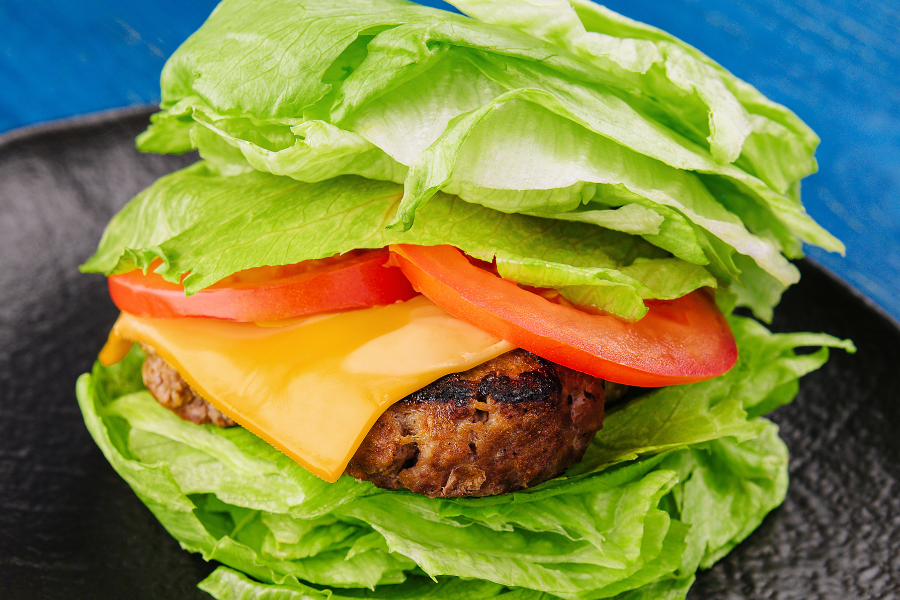
- Lettuce wraps or portobello mushrooms instead of buns or tortillas.
Watch for hidden carbs in premade sauces and dressings. Read labels and favor products with simple ingredient lists.
Hack #6: Plan for Restaurants Like a Pro
Eating out can support the keto diet for beginners if you order with intention.
- Go bunless: Ask for burgers lettuce-wrapped.
- Swap sides: Choose salad, broccoli, or sautéed greens.
- Choose clear fats: Request olive oil or butter on the side.
- Keep sauces simple: Ask for no glaze and avoid sweet dressings.
Pre-check menus online when you can. You arrive calm and order fast.
Hack #7: Keep Portable Keto Snacks Ready
Busy days test every plan. The keto diet for beginners stays on track when you keep grab-and-go options nearby:
- Hard-boiled eggs
- Beef jerky (no added sugar)
- Nut butter packets (no added sugar)
- Cheese sticks or mini cheese rounds
- Roasted nuts (pre-portioned)
These choices rescue you from pastry cases and “I’ll just grab something” spirals.
Hack #8: Choose the Right Fats
The keto diet for beginners does not give a free pass to every fried thing. You choose quality fats to support energy, satiety, and overall health:
- Prioritize: Olive oil, avocado, nuts, seeds, fatty fish (salmon, mackerel).
- Reduce: Highly processed seed oils in ultra-processed snacks.
- Balance: Use butter or ghee for flavor, and keep portions aligned with goals.
Research suggests low-carb patterns can improve triglycerides and HDL while supporting weight management, especially when people choose minimally processed foods.
Hack #9: Hydrate on Purpose
Water needs can rise on keto because glycogen stores drop and water leaves with it. The keto diet for beginners feels smoother with 2–3 liters of water daily for most adults, adjusted for your size and activity. Add a pinch of mineral salt to one bottle each day to support balance.
Heads-up: Thirst can masquerade as hunger. Drink first, then reassess appetite.
Hack #10: Set a Compassionate Mindset
The keto diet for beginners rewards consistency, not perfection. If you overshoot carbs at a party, you simply return to your plan at the next meal. You can treat each choice as feedback, not failure. That mindset keeps you engaged long enough to see results that research often reports—better glycemic control and weight outcomes for many people who adhere to low-carb plans.
Simple Macro Targets for Beginners
- Carbs: 20–50 g net/day
- Protein: 0.7–1.0 g per pound of lean body mass (or ~1.2–1.8 g/kg body weight as a practical start)
- Fat: Fill remaining calories with quality fats to satiety
You can fine-tune with your coach or clinician based on metrics, goals, and lab work.
A One-Week Launcher for the Keto Diet for Beginners
Day types to rotate (pick any 5–7 days):
- Egg & Greens Day: Omelet with spinach; burger patty with salad; salmon with asparagus.
- Beef & Broccoli Day: Scrambled eggs; bunless cheeseburger with broccoli; taco bowl with cauliflower rice.
- Mediterranean Day: Greek salad with chicken; olives and feta snack; lemon-garlic shrimp with zucchini.
- Comfort Day: Egg muffins; buffalo chicken lettuce wraps; meatballs with marinara and zucchini noodles.
Keep it bold: Protein + Veg + Fat remains your anchor.
Common Mistakes (and Friendly Fixes)
- Under-salting: You feel tired or headachy. Add electrolytes.
- Overdoing dairy or nuts: You stall. Track portions for a week and reassess.
- Forgetting fiber: You feel sluggish. Add non-starchy veggies, chia, or ground flax.
- Hidden sugars: Sauces sneak them in. Read labels and choose simple condiments.
The keto diet for beginners improves dramatically when you solve these four early.
Science Snapshot (Why These Hacks Help)
- Weight & metabolic markers: Meta-analyses report stronger weight-loss and triglyceride improvements with low-carb or ketogenic approaches compared to low-fat in many trials (Bueno et al., 2013).
- Insulin sensitivity & glycemic control: Real-world clinical programs show meaningful A1c reductions and medication de-escalation for many people with type 2 diabetes who maintain low-carb ketogenic patterns (Hallberg et al., 2018).
- Satiety & adherence: Higher-protein, lower-carb patterns often support satiety, which improves adherence—key for the keto diet for beginners (Mansoor et al., 2016).
Always personalize: Your health status, meds, and preferences matter. Consult your clinician, especially if you take glucose-lowering medication or manage a medical condition.
Quick-Start Checklist for the Keto Diet for Beginners
- Set net carbs: 20–50 g/day.
- Batch-cook protein twice a week.
- Buy basics: Eggs, salmon, chicken thighs, leafy greens, olives, avocado, olive oil.
- Log meals for 2–4 weeks.
- Add electrolytes daily.
- Pack snacks for the car and office.
- Pre-check menus before dining out.
- Review labels for hidden sugars.
- Measure progress with energy, clothes fit, and weekly averages—not just a single scale number.
Final Thoughts
You can make the keto diet for beginners feel calm and practical when you prep the kitchen, use a repeatable meal formula, track net carbs for a short season, and protect electrolytes. You can stay social, enjoy food, and build skills one week at a time. I haven’t run a strict keto phase myself, yet I see these simple strategies help beginners succeed again and again. If you want support next, you can choose one small step—stock your fats, set your net carb target, and plan tomorrow’s meals—and build from there. You’ve got this.