You crushed your workout, your muscles feel alive, and your endorphins are soaring. But when bedtime rolls around, you’re tossing and turning instead of drifting into dreamland. Sound familiar? I’ve been there too—lying in bed after a late cardio session or an intense strength session, wondering why my body feels wired instead of relaxed. If you’ve ever asked yourself how to sleep better after exercise, you’re in the right place. Let’s talk about why this happens and what you can do to fix it.
Why Does Exercise Affect Sleep?
Exercise is amazing for your health, but timing and intensity matter. When you work out, your core body temperature rises, your heart rate speeds up, and your nervous system kicks into high gear. That’s great for performance, but not so great for winding down.
According to a study in the Journal of Sports Sciences, late-night high-intensity workouts can delay melatonin production—the hormone that signals your body it’s time to sleep. So, if you’re wondering how to sleep better after exercise, the first step is understanding what’s happening inside your body.
1. Cool Down Like You Mean It
Skipping your cool-down is like slamming the brakes on a speeding car—it’s jarring. A proper cool-down helps your body transition from “go mode” to “rest mode.”
What Works Best?
- Gentle stretching: Focus on major muscle groups you worked.
- Breathing exercises: Try deep belly breathing for 3–5 minutes.
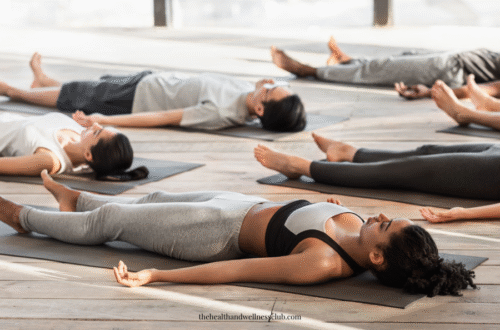
- Light yoga poses: Child’s pose or legs-up-the-wall can calm your nervous system. Check out this blog post for more yoga poses that can help you to unwind.
Pro tip: I love ending my evening workouts with a 10-minute slow yoga flow. It feels like a mini spa session for my muscles and mind. It doesn’t only help to stretch my muscles after my workout, but by linking my breath with movements, it really helps to calm my mind and body to prepare for a good sleep.
2. Time Your Workouts Wisely
If you can, schedule intense sessions earlier in the day. Evening workouts aren’t bad, but they need a little strategy. Working out early in the morning helps in regulating the circadian rhythm, which helps to awaken the body at the start of the day and supports restful sleep at night, thereby promoting overall sleep quality.
- High-intensity training: Finish at least 3 hours before bed.
- Gentle activities: Yoga or walking can be done closer to bedtime.
A study in Sleep Medicine Reviews found that moderate evening exercise doesn’t harm sleep, but vigorous exercise too close to bedtime can. So, if you’re serious about how to sleep better after exercise, timing is everything.
3. Create a Post-Workout Ritual
Your brain loves routines. A consistent wind-down ritual signals your body that it’s time to relax.
Ideas for a Relaxing Routine
- Take a warm shower (it helps lower core temperature afterward).
- Sip on herbal tea like chamomile or peppermint. For more sleep tea ideas, check out this blog post.
- Dim the lights and avoid screens for at least 30 minutes before bed.
I personally swear by a warm shower followed by my favorite Lavendar or Citrus and Mint lotion from Everyone that is EWG verified and free of toxic chemicals. It’s like telling my body, “Okay, we’re done for the day.”
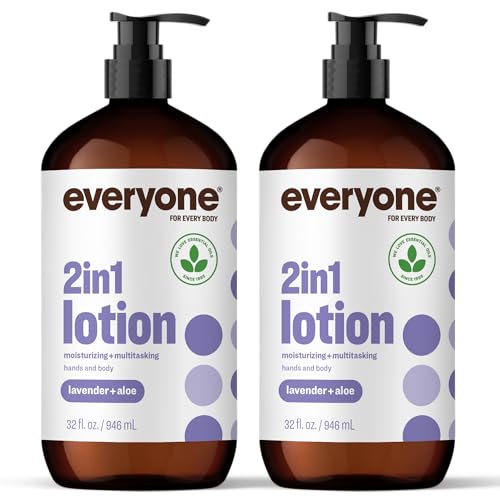
- CONTAINS: (2) 32 Ounce 100% Recycled Plastic Bottles of Everyone 2in1 Lavender and Aloe 2in1 Lotion.
- SCENT: Relax in a classic, calming blend of lavender essential oil and aloe extract.
- USE: Massage into hands and body for soft, hydrated, and happy skin.
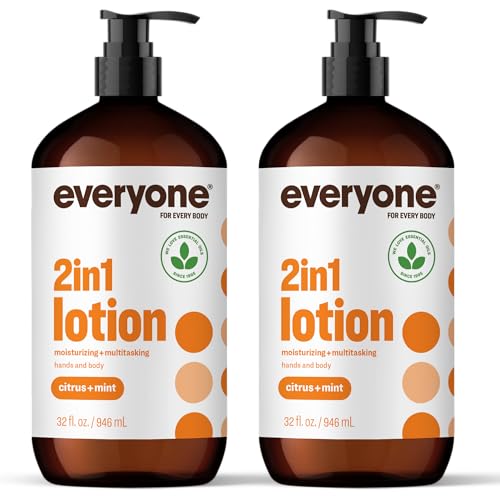
- CONTAINS: (2) 32 Ounce 100% Recycled Plastic Bottles of Everyone 2in1 Citrus and Mint 2in1 Lotion.
- SCENT: Go bold. Reboot with a refreshing blend of bright citrus, soothing lavender, and zingy mint essential oils.
- USE: Massage into hands and body for soft, hydrated, and happy skin.
4. Optimize Your Sleep Environment
You can’t talk about how to sleep better without mentioning your bedroom setup. Think of it as your recovery sanctuary.
- Keep it cool: Aim for 60–67°F (15–19°C).
- Block out light: Use blackout curtains or an eye mask.
- Reduce noise: White noise machines or earplugs can help.
Your body needs a calm, dark, and cool environment to produce melatonin and recover properly. If you want more tips on a sleep environment that promotes better sleep, check out this blog post.
5. Refuel Smartly
What you eat after exercise can impact your sleep. Heavy, greasy meals? Not your friend. Instead, go for a balanced snack that supports recovery without spiking your blood sugar.
Great Post-Workout Snacks
- Greek yogurt with berries
- A banana with almond butter
- A protein smoothie with spinach and frozen berries
Research in the American Journal of Clinical Nutrition suggests that foods rich in tryptophan (like dairy and nuts) can promote better sleep. So, your snack can double as a sleep booster.
6. Hydrate—but Not Too Much
Dehydration can mess with recovery, but chugging water right before bed? That’s a recipe for midnight bathroom trips. Drink plenty of fluids after your workout, but taper off an hour before bedtime.
7. Try Relaxation Techniques
If your mind feels as active as your body, relaxation techniques can help.
- Progressive muscle relaxation: Tense and release each muscle group.
- Guided meditation: Apps like Calm or Headspace are great.
- Breathwork: Try the box (4-4-4) breathing method for instant calm.
These techniques lower cortisol and activate your parasympathetic nervous system—the one responsible for rest and recovery.
8. Consider Supplements (With Caution)
Sometimes, a little extra support helps. Magnesium is a go-to for muscle relaxation and better sleep. Some people also find melatonin useful, but always check with a healthcare professional before adding supplements.
9. Listen to Your Body
This might sound obvious, but it’s easy to ignore. If you’re constantly struggling to sleep after evening workouts, maybe your body prefers morning sessions. Experiment and see what works best for you.
10. Keep Stress in Check
Stress and sleep don’t mix. If your workout is your stress relief, great—but if you’re still wired at night, add calming activities like journaling or gentle yoga before bed.
Extra Tips for How to Sleep Better After Exercise
- Avoid caffeine late in the day: Even an afternoon coffee can linger in your system.
- Skip alcohol as a sleep aid: It might make you drowsy, but it disrupts deep sleep.
- Try aromatherapy: Lavender essential oil can promote relaxation.
Quick Checklist: How to Sleep Better After Exercise
- ✅ Cool down properly
- ✅ Time workouts earlier when possible
- ✅ Create a relaxing bedtime ritual
- ✅ Optimize your sleep environment
- ✅ Refuel with balanced snacks
- ✅ Hydrate smartly
- ✅ Practice relaxation techniques
- ✅ Consider safe supplements
- ✅ Listen to your body
- ✅ Manage stress
Final Thoughts
Figuring out how to sleep better after exercise isn’t about giving up your evening workouts—it’s about working with your body, not against it. A few small tweaks can turn restless nights into deep, restorative sleep. Personally, I’ve found that a warm shower, a long cool-down session, and a quick meditation make all the difference. Try these tips, and let your body thank you in the morning.
Your turn: Which of these tips will you try first? Or do you have your own secret for sleeping better after a workout? Share it—I’d love to hear!