You’ve probably seen both the anti-inflammation diet and keto trending everywhere—from Instagram reels to health podcasts. And if you’re like me, you’ve wondered: Which one actually makes sense for my lifestyle? I’ve tried elements of both, and trust me, they’re very different experiences. One focuses on calming your body’s internal fire, while the other flips your metabolism into fat-burning mode. So, let’s break it down together in a way that feels like chatting over coffee—minus the sugar crash.
What Is an Anti-Inflammation Diet?
Think of the anti-inflammation diet as a long-term wellness strategy rather than a quick fix. It’s all about reducing chronic inflammation, which research links to conditions like heart disease, diabetes, and even some cancers.
Core Principles
- Whole, unprocessed foods: Fresh fruits, vegetables, whole grains, and legumes.
- Healthy fats: Olive oil, avocado, nuts, and fatty fish like salmon (high in omega-3)
- Spices that heal: Turmeric, ginger, and cinnamon for their anti-inflammatory compounds. Check out this blog post for more information on anti-inflammatory spices to spice up your meals.
- Minimal processed sugar and refined carbs: These can spike inflammation markers.
Why People Love It
You don’t feel deprived. You can still enjoy colorful plates, hearty grains, and even a glass of red wine occasionally. Plus, it’s sustainable because it’s not about cutting entire food groups.
What Is Keto?
The keto diet takes a completely different approach. It’s a high-fat, very low-carb plan that pushes your body into ketosis, where you burn fat for fuel instead of glucose. Sounds intense? It is—but many people swear by it for rapid weight loss and mental clarity.
Core Principles
- 70–75% fat, 20–25% protein, and 5–10% carbs.
- Say goodbye to bread, pasta, and most fruits.
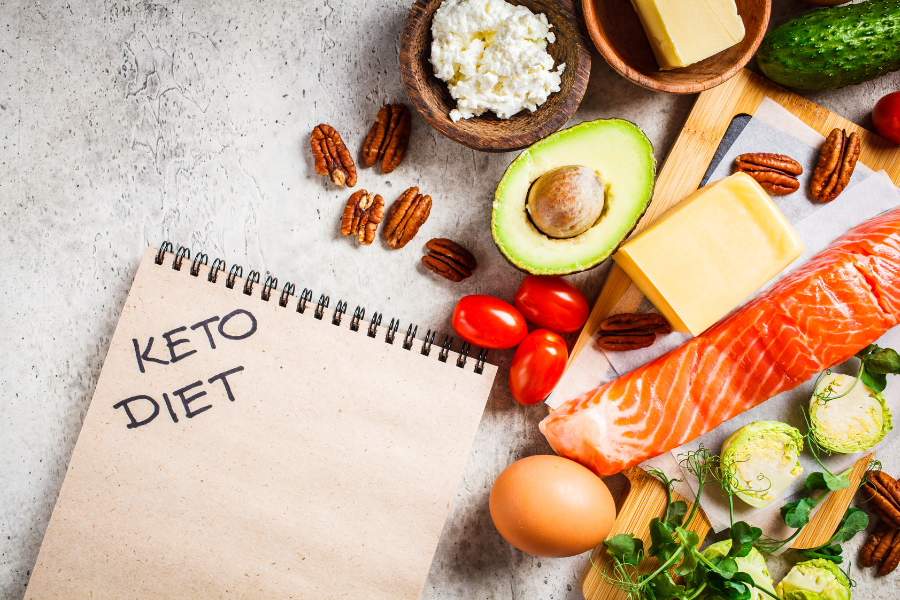
- Load up on meat, cheese, eggs, oils, and low-carb veggies like spinach and zucchini.
Why People Love It
Quick results. Many see noticeable weight loss within weeks. Some also report better focus and fewer sugar cravings.
Anti-Inflammation Diet vs. Keto: The Key Differences
Here’s where things get interesting. Both diets have strong followings, but they serve different goals.
1. Primary Focus
- Anti-Inflammation Diet: Reduces chronic inflammation for long-term health.
- Keto: Promotes fat-burning and rapid weight loss.
2. Food Freedom
- Anti-Inflammation Diet: Flexible and colorful—think berries, quinoa, vegetables, and salmon.
- Keto: Restrictive—no grains, limited fruits, and strict carb counting.
3. Sustainability
- Anti-Inflammation Diet: Easy to maintain for life.
- Keto: Harder to stick with long-term due to carb restrictions.
4. Scientific Backing
- Anti-Inflammation Diet: Supported by research linking it to reduced risk of chronic disease.
- Keto: Effective for weight loss and managing epilepsy, but long-term effects remain debated.
Why I Lean Toward the Anti-Inflammation Diet
Here’s the truth: I can’t give up my healthy carbs. Sweet potatoes, quinoa, rice cakes and fruits? They’re non-negotiable for me. And that’s where the anti-inflammation diet shines. It celebrates these foods because they’re packed with antioxidants, fiber, and nutrients that fight inflammation.
Keto, on the other hand, would make me say goodbye to my favorite overnight oats, sweet potato and rice cakes. And honestly, that feels like punishment, not a lifestyle.
The Science Behind Anti-Inflammation Foods
Why does this diet work so well? Chronic inflammation is like a slow-burning fire in your body. Over time, it damages tissues and increases disease risk. Foods rich in omega-3 fatty acids, polyphenols, and fiber help put out that fire.
- Fatty fish like salmon reduce inflammatory markers (C-reactive protein).
- Berries contain anthocyanins, which protect against oxidative stress.
- Whole grains improve gut health, which plays a role in inflammation control.
Pros and Cons of Each Diet
Anti-Inflammation Diet Pros
- Supports heart health and longevity.
- Encourages nutrient-dense, whole foods.
- Flexible and family-friendly.
Anti-Inflammation Diet Cons
- Weight loss may be slower.
- Requires planning to avoid processed foods.
Keto Pros
- Rapid weight loss for many.
- May improve blood sugar control.
- Reduces appetite naturally.
Keto Cons
- Can cause “keto flu” during adaptation.
- Restrictive and socially challenging.
- Potential nutrient deficiencies if poorly planned.
Practical Tips for Following an Anti-Inflammation Diet
If you’re leaning toward this lifestyle (like I am), here are some easy ways to start:
- Stock your pantry with anti-inflammatory staples: Olive oil, nuts, seeds, and spices like turmeric.
- Plan balanced meals: Pair lean protein with colorful veggies and a healthy carb like quinoa or sweet potato. Check out this blog post for details on what counts as healthy carbs.
- Snack smart: Fresh fruit with almond butter beats processed snacks any day.
- Batch cook: Make big batches of roasted veggies and whole grains for quick meals.
Sample Day on an Anti-Inflammation Diet
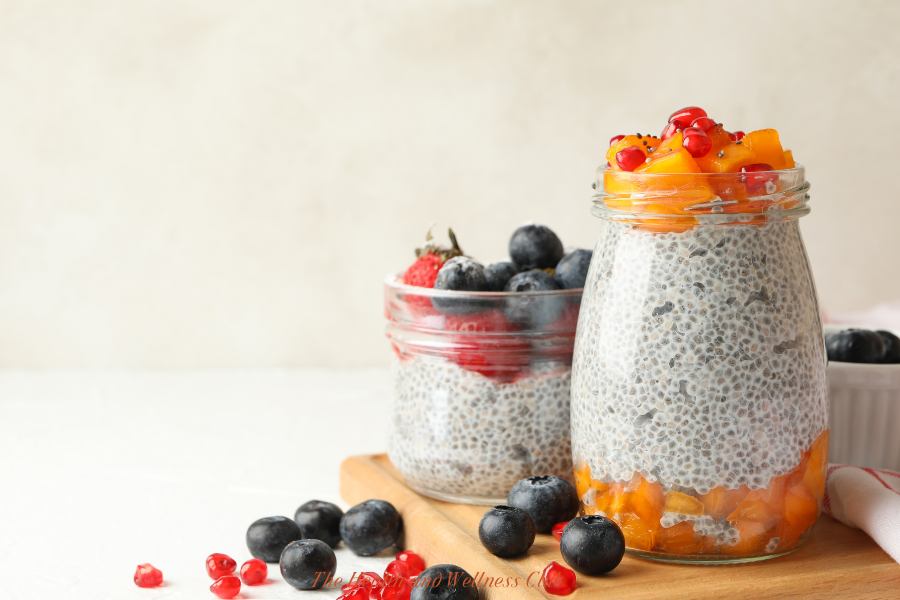
- Breakfast: Chia pudding with oats, Greek yogurt, almond milk, blueberries, cacao powder, almonds, and cacao nibs. For more anti-inflammatory breakfast ideas, check out this blog post.
- Lunch: Quinoa salad with chickpeas, spinach, cherry tomatoes, and balsamic vinaigrette dressing.
- Snack: Apple slices with almond butter.
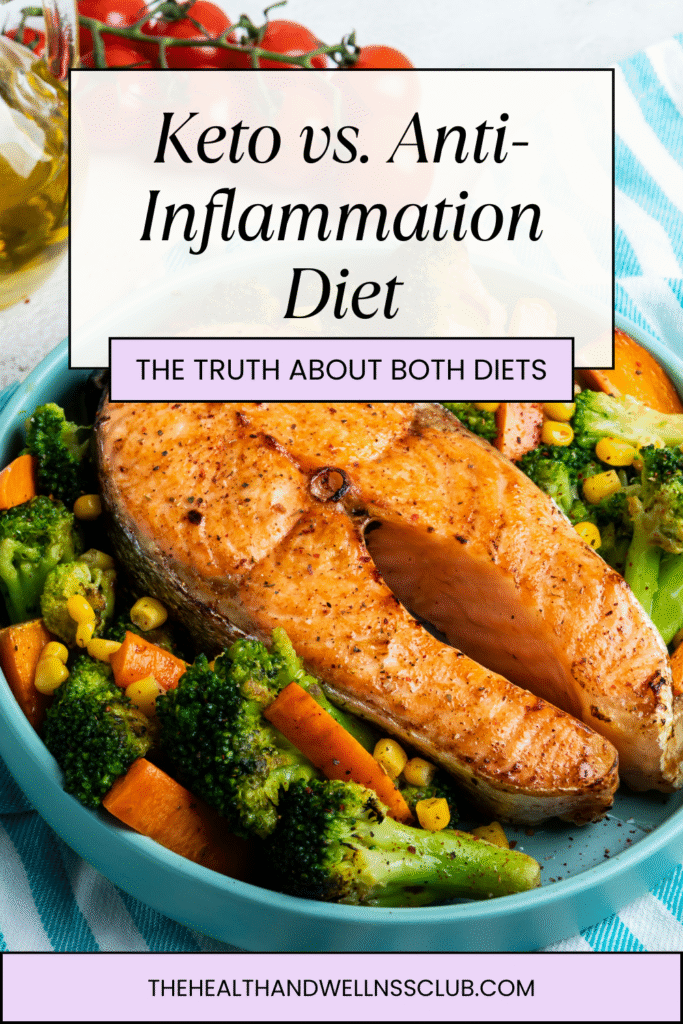
- Dinner: Grilled salmon with roasted sweet potatoes and steamed broccoli.
- Dessert: A square of dark chocolate (70% cacao or higher).
Final Thoughts
So, anti-inflammation diet vs. keto—there’s no one-size-fits-all answer. Both have benefits, but your lifestyle, health goals, and personal preferences matter most. If you want long-term health and flexibility, go anti-inflammation. If you need rapid weight loss and can handle strict rules, keto might work—at least short-term.
Whatever you choose, remember: the best diet is the one you can stick with and enjoy. Because food should fuel your body and bring you joy.
Quick Recap
- Anti-Inflammation Diet = Sustainable, heart-healthy, flexible.
- Keto = Fast results, restrictive, harder to maintain.
Your turn: Which one sounds more like your vibe? Drop your thoughts in the comments—I’d love to hear your experience!