You’ve probably seen the phrase “anti-inflammation diet” pop up everywhere—from wellness blogs to TikTok reels. It sounds promising, right? A way to eat that helps calm your body, reduce internal stress, and maybe even clear up your skin? I felt the same way when I first heard about it. But I also had questions. Does it actually work? Or is it just another trendy label slapped on a bunch of kale and turmeric?
Let’s unpack it together—no fluff, no hype. Just real talk about what the anti-inflammation diet is, what it claims to do, and whether it lives up to the buzz.
What Is the Anti-Inflammation Diet, Really?
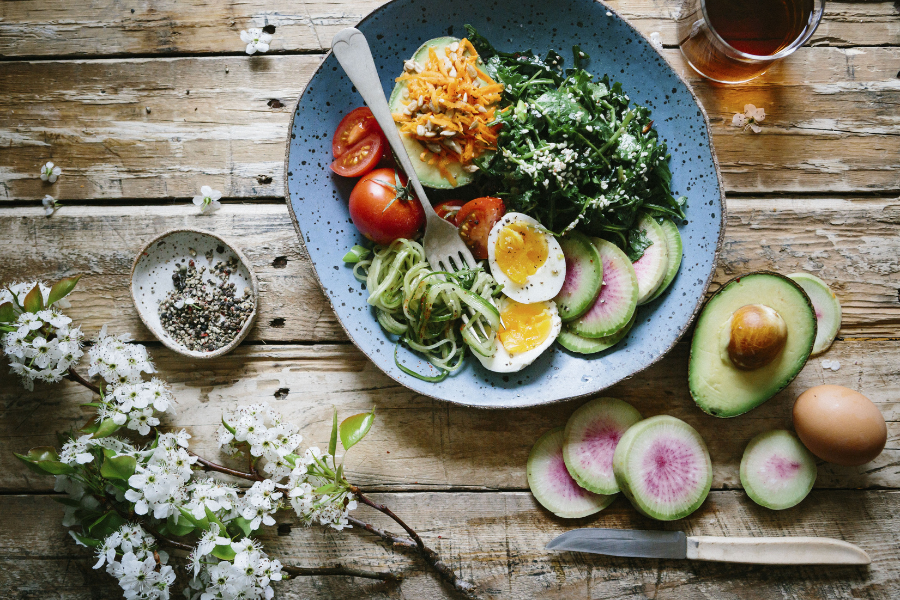
At its core, the anti-inflammation diet focuses on eating foods that help reduce chronic inflammation in the body. That means loading up on:
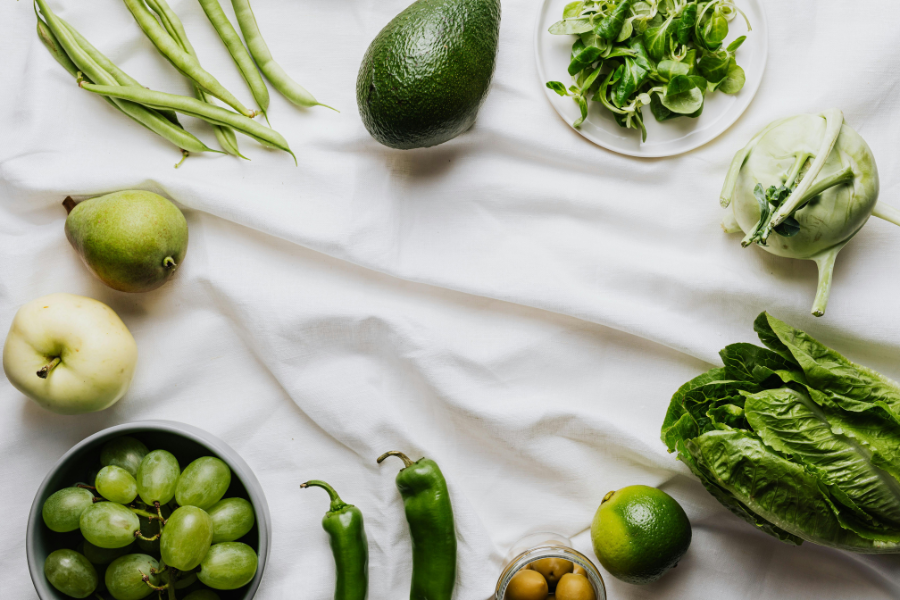
- Fruits and vegetables (especially leafy greens and berries)
- Healthy fats like olive oil, avocado, and nuts
- Omega-3-rich foods like salmon, flaxseeds, and walnuts
- Whole grains like quinoa, oats, and brown rice
- Herbs and spices like turmeric, ginger, and garlic
And cutting back on:
- Processed foods
- Refined sugars
- Trans fats
- Excess alcohol
- Red and processed meats
Sounds simple enough, right? But the real question is—does it actually reduce inflammation?
Let’s Talk About Inflammation
Acute vs. Chronic Inflammation
Your body uses inflammation as a defense mechanism. When you scrape your knee or catch a cold, inflammation helps you heal. That’s acute inflammation, and it’s a good thing.
But chronic inflammation is a different story. It’s the kind that lingers quietly in your body, often triggered by poor diet, stress, lack of sleep, or environmental toxins. Over time, it can contribute to serious health issues like:
- Heart disease
- Type 2 diabetes
- Autoimmune disorders
- Alzheimer’s disease
- Certain cancers
In fact, study suggests that chronic low-grade inflammation plays a central role in the development of many age-related diseases.
Does the Anti-Inflammation Diet Work?
Scientific Backing
Yes—there’s solid science behind the idea that food can influence inflammation.
A study published in JAMA Internal Medicine found that diets rich in anti-inflammatory foods were associated with lower levels of C-reactive protein (CRP), a marker of inflammation in the body.
Another study in Frontiers in Nutrition showed that people who followed a Mediterranean-style diet (which overlaps heavily with the anti-inflammation diet) had reduced inflammatory markers and improved cardiovascular health.
So yes, the anti-inflammation diet can work—but only if you stick with it consistently and pair it with other healthy habits.
My Experience with the Anti-Inflammation Diet
I started experimenting with an anti-inflammation diet because I wanted to feel more energized and support my overall wellness. I didn’t go all-in overnight. I just made small swaps—olive oil instead of vegetable oil, berries instead of sugary snacks, and more greens on my plate.
Within a few weeks, I noticed:
- Less bloating
- More energy
- Clearer skin
- Better digestion
Was it magic? No. But it felt like my body was finally getting the support it needed.
Common Myths About the Anti-Inflammation Diet
Let’s clear up a few misconceptions:
Myth 1: It’s Just Another Clean Eating Trend
Nope. While it shares some overlap with clean eating, the anti-inflammation diet is rooted in science. It’s not about perfection—it’s about choosing foods that support your body’s natural healing processes.
Myth 2: You Have to Cut Out Entire Food Groups
You don’t need to go gluten-free, dairy-free, or carb-free unless you have a medical reason. The goal is to reduce inflammatory triggers, not restrict yourself into misery.
Myth 3: It Works Instantly
Sorry, but there’s no overnight fix. You’ll need to give it time—at least a few weeks—to notice real changes. Think of it as a long-term investment in your health.
Foods That Fight Inflammation
Here’s a quick cheat sheet of anti-inflammatory superstars:
Top Anti-Inflammatory Foods
- Leafy greens (spinach, kale, arugula)
- Berries (blueberries, strawberries, raspberries)
- Fatty fish (salmon, sardines, mackerel)
- Nuts and seeds (almonds, walnuts, chia seeds)
- Olive oil (extra virgin is best)
- Turmeric (with black pepper for absorption)
- Ginger (fresh or powdered)
- Green tea (loaded with antioxidants)
Foods to Limit
- Sugary drinks
- White bread and pastries
- Fried foods
- Processed meats
- Excess alcohol
Healthy tip: If you’re not sure where to start, try swapping one inflammatory food for an anti-inflammatory one each day. Small changes add up.
How to Start an Anti-Inflammation Diet Without Stress
You don’t need a fancy meal plan or a fridge full of superfoods. Here’s how I started:
- Pick one meal to upgrade—I started with breakfast. Swapped sugary cereal for oats topped with berries and chia seeds.
- Add greens to every plate—Even just a handful of spinach makes a difference.
- Cook with olive oil—It’s an easy switch that adds flavor and healthy fats.
- Snack smarter—I keep almonds, hummus, and fruit on hand.
- Stay hydrated—Water and herbal teas help flush out toxins.
Healthy reminder: You don’t need to be perfect. Progress beats perfection every time.
Who Should Try the Anti-Inflammation Diet?
This way of eating can benefit almost anyone, but it’s especially helpful if you:
- Feel sluggish or bloated after meals
- Want to support heart or brain health
- Are looking for a sustainable way to eat better
- Want to improve skin clarity and energy levels
- Prefer a gentle, whole-food approach to wellness
Of course, always check with your doctor or a registered dietitian before making major dietary changes—especially if you have medical conditions.

So… Does It Really Work?
Yes, the anti-inflammation diet works—but it’s not a magic bullet. It’s a lifestyle shift that supports your body’s natural healing processes. When you combine it with movement, sleep, and stress management, you’ll likely feel better, look better, and function better.
But here’s the thing: it only works if you actually enjoy it. If you hate kale and force yourself to eat it every day, you won’t stick with it. So find what works for you. Make it delicious. Make it doable. If you don’t have much time, check out this blog post for making a quick and easy high-protein breakfast.
Final Thoughts
I didn’t expect much when I first tried the anti-inflammation diet. I just wanted to feel a little better. But over time, I noticed real changes—not just in how I felt, but in how I showed up in my life.
So if you’re curious, give it a shot. Start small. Listen to your body. And remember, you’re not doing this to be perfect—you’re doing it to feel good.
Ready to try the anti-inflammation diet for yourself? Your body might just thank you.