Ready to Feel Stronger, Lighter, and More Energized?
If you’ve been feeling stuck, sluggish, or just not quite yourself lately, I get it. I’ve been there too. Sometimes, the idea of jumping into a hardcore workout plan feels overwhelming—especially when life’s already full. That’s exactly why I created this 30-day walking exercise challenge—because transformation doesn’t have to be extreme. It just has to be consistent.
Walking changed the way I approach fitness. It’s simple, low-impact, and surprisingly powerful when done right. And the best part? You don’t need fancy gear or a gym membership. Just a pair of comfy shoes, a bit of time, and a plan that works.
Let’s walk through it together (pun totally intended 😉).
Why Walking Exercise Works (and Why It’s So Underrated)
You might be wondering, Can walking really help me lose weight or tone up? The short answer: yes—if you do it with intention.
Here’s why walking exercise is such a game-changer:
- It burns calories without stressing your joints.
- It improves insulin sensitivity, which helps your body manage fat storage more efficiently.
- It boosts your mood and reduces cortisol, the stress hormone that’s linked to belly fat. This is especially so if you walk in nature.
- It’s sustainable. You’re more likely to stick with walking than a workout you dread.
So yes, walking exercise absolutely works—especially when you follow a structured plan like this one.
The Mental Benefits of Walking—Especially in Nature
Let’s talk about something that doesn’t get enough attention: how walking exercise supports your mental health.
When you walk—especially outdoors—you’re not just moving your body. You’re giving your mind a break.
- Walking in nature reduces anxiety and depression symptoms. A study found that the combination of walking in a forest environment significantly decreased salivary cortisol concentrations compared to walking in an urban environment. This shows walking in natural environments can reduce stress hormone levels.
- It boosts creativity and focus. Ever notice how your best ideas come during a walk? That’s no coincidence. A lot of eureka moments of great inventions and creativity arises from walking. Steve Jobs famously held walking meetings to spark creativity and deep thinking—many of Apple’s early design ideas were born during these walks.
- It helps regulate your mood. Walking increases endorphins and serotonin, which help you feel more balanced and uplifted.
So if you can, take your walking exercise outside. Trees, fresh air, and sunshine do wonders for your brain.
What Makes This 30-Day Walking Exercise Challenge Different?
This isn’t just “go for a walk every day.” This challenge is designed to:
- Progressively build your stamina and intensity.
- Incorporate fat-burning intervals.
- Keep things interesting so you don’t get bored.
- Fit into your real life, even if you’re busy.
You’ll start slow and steady, then gradually increase your pace, duration, and variety. By the end of the 30 days, you’ll feel stronger, lighter, and more confident in your body.
The 30-Day Walking Exercise Challenge Plan
Here’s a breakdown of what your month will look like. You can walk outdoors, on a treadmill, or even around your apartment if needed. Just keep moving!
Week 1: Build the Habit
Focus: Ease into movement and create a routine.
- Day 1–3: Walk for 20 minutes at a comfortable pace. Focus on posture—shoulders relaxed, core gently engaged.
Goal: Build consistency without pressure. - Day 4–5: Increase to 25 minutes. Walk slightly brisker—enough to feel your heart rate rise but still able to hold a conversation.
Goal: Start activating your cardiovascular system. - Day 6: Walk for 30 minutes. Add a 5-minute stretch afterward focusing on hamstrings, calves, and hips.
Goal: Begin to feel the rhythm of daily movem - Day 7: Do 30 minutes of vinyasa yoga + stretching. Choose a flow that opens your hips, spine, and shoulders.
Goal: Restore and reset your body while staying active.
💡 Tip: Listen to your favorite playlist or podcast to make it fun.
Week 2: Boost the Burn
Focus: Increase intensity and improve walking form.
- Day 8–9: Walk for 30 minutes at a brisk pace. You should feel slightly breathless but still able to talk.
Goal: Tap into fat-burning mode. - Day 10: Walk for 20 minutes on an incline (hill or treadmill).
Goal: Challenge your glutes and calves, and increase calorie burn. - Day 11–12: Walk for 35 minutes briskly. Try to maintain a steady pace throughout.
Goal: Build endurance and cardiovascular strength. - Day 13: Walk for 30 minutes, then do a 5-minute core workout (planks, bird-dogs, and standing crunches).
Goal: Strengthen your midsection to support better posture and walking power. - Day 14: Do vinyasa yoga + stretching. Focus on spinal twists and hamstring release.
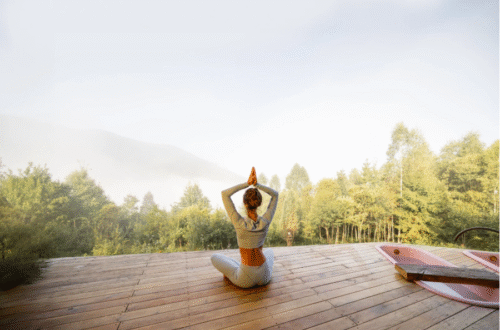
Goal: Recover and prepare for interval training next week. I have created a yoga flow for you with motivational quote to keep you going strong. See below to get access to the vinyasa yoga flow.
💡 Tip: Swing your arms and engage your core to increase calorie burn. Here are more tips on how to make your walking exercise burn more calories.
Week 3: Add Intervals
Focus: Introduce walking intervals to spike metabolism.
- Day 15: Warm up for 5 minutes, then alternate 1 minute fast walking with 2 minutes moderate pace for 20 minutes. Cool down for 5 minutes.
Goal: Boost fat-burning and cardiovascular fitness. - Day 16–17: Walk for 40 minutes at a steady pace. Try a new route or walking trail to keep it fresh.
Goal: Build mental stamina and enjoy the scenery. - Day 18: Walk for 30 minutes, and every 5 minutes, stop and do 10 squats.
Goal: Add strength training to your walk for a metabolic boost. - Day 19: Repeat Day 15’s interval walk.
Goal: Reinforce interval benefits and improve pacing. - Day 20: Walk for 45 minutes at a moderate pace.
Goal: Push your endurance and enjoy the meditative rhythm. - Day 21: Do vinyasa yoga + stretching. Include hip openers and shoulder mobility work.
Goal: Release tension and support joint health.
💡 Tip: Intervals help spike your heart rate and torch more fat in less time.
Week 4: Power and Progress
Focus: Maximize endurance, strength, and mental clarity.Day 22–23: 45-minute brisk walk
- Day 22-23: Walk for 45 minutes briskly. Focus on arm swing and core engagement.
Goal: Feel strong and confident in your stride. - Day 24: Walk for 30 minutes, then climb stairs or walk uphill for 10 minutes.
Goal: Build lower body strength and challenge your heart. - Day 25: Walk for 50 minutes. Choose a scenic route or nature trail if possible.
Goal: Enjoy the mental benefits of walking in nature. - Day 26: Walk for 30 minutes, then do 10 minutes of bodyweight strength (lunges, squats, planks).
Goal: Support muscle tone and joint stability. - Day 27: Walk for 60 minutes. Celebrate how far you’ve come.
Goal: Reflect on your progress and enjoy the movement. - Day 28: Do vinyasa yoga + stretching. Include gentle backbends and breathwork.
Goal: Restore and reconnect with your body. - Day 29: Walk for 30 minutes, then spend 10 minutes journaling about your experience.
Goal: Acknowledge your wins and set intentions for what’s next.Day 30: Final 45-minute walk + reflect on how far you’ve come - Day 30: Walk for 45 minutes. Reflect on your transformation—physically, mentally, and emotionally.
Goal: Finish strong and feel proud.
💡 Tip: Take a before-and-after photo or journal entry to see your transformation.
Walking Exercise + Strength Training = Holistic Health
If you already do strength training, walking exercise is the perfect complement.
Here’s why:
- Walking helps with recovery. It increases circulation and reduces soreness.
- It boosts fat loss. Strength training builds muscle, and walking helps burn fat.
- It improves cardiovascular health, which strength training alone doesn’t fully address.
- It balances your nervous system. Walking calms the body, especially after intense lifting sessions.
So don’t think of walking as “just cardio.” Think of it as the missing piece in your holistic health puzzle.
How to Maximize Your Results
Walking exercise is powerful on its own, but a few tweaks can help you get even more out of it.
1. Walk After Meals
Post-meal walks help regulate blood sugar and improve digestion. Even a 10-minute stroll after dinner can make a difference. There are more benefits on walking after eating, check out this blog post.
2. Track Your Steps
Use a fitness tracker or app to stay motivated. Aim for 8,000–10,000 steps per day by the end of the challenge.
3. Stay Hydrated
Even light exercise like walking can dehydrate you. Keep a water bottle handy, especially in warmer weather.
4. Pair It With Balanced Nutrition
You don’t need to go on a strict diet, but fueling your body with whole foods will support your energy and recovery.
What You Might Notice by Day 30
Everyone’s journey is different, but here’s what many people experience:
- More energy throughout the day
- Better sleep quality
- Improved mood and reduced stress
- Looser-fitting clothes
- A stronger connection with your body
And honestly? You’ll probably feel proud of yourself—and you should.
You’re Stronger Than You Think
You don’t need to overhaul your life to feel better in your body. You just need a plan that works—and the willingness to take that first step.
This 30-day walking exercise challenge isn’t about perfection. It’s about progress. It’s about showing up for yourself, one walk at a time.
So lace up your shoes, step outside (or hop on the treadmill), and let’s get moving. Your transformation starts now.