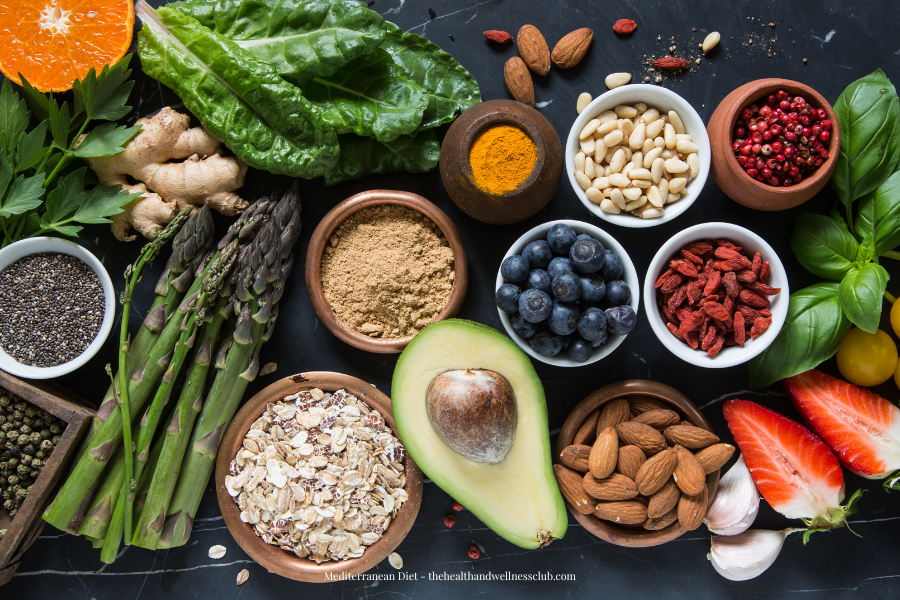
Feeling inflamed, sluggish, or just not your best? You might be surprised how much your food choices play a role. Chronic inflammation has links to everything from joint pain to heart disease, and the good news is—you can fight it with your fork. One of the most effective and delicious ways to do that? The Mediterranean diet food list.
This isn’t about restriction or complicated rules. The Mediterranean diet is all about enjoying real, whole foods that nourish your body and calm inflammation naturally. Whether you’re just starting out or looking to refine your grocery list, this guide will walk you through the essentials of an anti-inflammatory Mediterranean diet food list you’ll actually love using.
Why the Mediterranean Diet Is So Good for Inflammation
The Mediterranean diet isn’t just a fad diet—it’s backed by decades of research. A study found that people following a Mediterranean diet had significantly lower levels of inflammatory markers like C-reactive protein (CRP) compared to those on a low-fat diet.
So what makes this diet so powerful?
- It’s rich in antioxidants and omega-3 fatty acids
- It emphasizes whole, unprocessed foods
- It limits refined sugars, trans fats, and processed meats
Honestly, I love how this way of eating feels more like a lifestyle than a diet. It’s flexible, flavorful, and doesn’t make you feel like you’re missing out. I remember switching from processed snacks to roasted chickpeas—it felt like a treat, not a sacrifice.
Vegetables: The Anti-Inflammatory Foundation
Vegetables are the heart of the Mediterranean diet—and for good reason. They’re packed with fiber, vitamins, and phytonutrients that help reduce inflammation.
Top Picks for Your Mediterranean Diet Food List:
- Spinach, kale, arugula – loaded with antioxidants and iron
- Broccoli, cauliflower, Brussels sprouts – rich in sulforaphane, a known anti-inflammatory compound
- Tomatoes – high in lycopene, especially when cooked
- Bell peppers – full of vitamin C and beta-carotene
- Zucchini and eggplant – versatile and gut-friendly
Tip: I always keep cherry tomatoes and cauliflower or broccoli on hand—they’re easy to toss into anything and instantly boost the nutrient profile. My go-to lunch is a quick sauté of cauliflower rice with cherry tomatoes, bell pepper, and onion with olive oil, topped with a roasted salmon. It’s comforting and energizing.
Fruits That Soothe and Nourish
Fruit adds natural sweetness and a dose of fiber, vitamins, and antioxidants. The Mediterranean diet encourages moderate fruit intake, especially those with anti-inflammatory benefits.
Add These to Your Grocery List:
- Blueberries, strawberries, raspberries – packed with anthocyanins
- Oranges, lemons, grapefruits – high in vitamin C and flavonoids
- Apples and pears – great for gut health and blood sugar balance
- Grapes – contain resveratrol, which supports heart health
Tip: I love freezing berries for my Greek yogurt bowl and using citrus zest to brighten up roasted veggies or dressings. I once made a lemon-zest vinaigrette that completely transformed a simple salad—try this, it’s healthy and tasty.
Healthy Fats That Heal
Forget the low-fat craze. The Mediterranean diet embraces healthy fats that support brain function, hormone balance, and inflammation control.
Stock Up On:
- Extra virgin olive oil – rich in oleocanthal, a natural anti-inflammatory
- Avocados – creamy, satisfying, and full of monounsaturated fats
- Nuts (almonds, walnuts, pistachios) – great for snacking and adding crunch
- Seeds (chia, flax, sunflower) – tiny but mighty in omega-3s
A study found that oleic acid from olive oil significantly reduced inflammatory markers in participants with metabolic syndrome.
Tip: I use olive oil for all my cooking. It’s my go-to for cooking and health. Though remember, if you are watching your calories intake or on a weight loss journey, don’t go overboard with your fat intake.
Lean Proteins That Support Recovery
Protein helps repair tissues and keeps you full. The Mediterranean diet focuses on clean, lean sources that don’t trigger inflammation.
Best Choices:
- Fatty fish (salmon, sardines, mackerel) – loaded with omega-3s
- Skinless chicken and turkey – lean and versatile
- Legumes (lentils, chickpeas, black beans) – plant-based and fiber-rich
- Eggs – a great source of choline and protein
Tip: Try batch-cook lentils and grilled salmon in the weekends. It makes weekday meals so much easier and keeps you on track. I once made a chickpeas salad with roasted veggies and grilled salmon—it was so good.
Whole Grains That Fuel and Protect
Refined carbs can spike inflammation, but whole grains do the opposite. They’re full of fiber, B vitamins, and minerals.
Add These to Your Pantry:
- Quinoa – a complete protein and gluten-free
- Farro and barley – chewy and satisfying
- Brown rice – a pantry staple
- Whole grain bread and pasta – choose options with minimal ingredients
Tip: I’ve swapped white bread for whole grain sourdough bread—it’s filling, and way more satisfying. I even got my family hooked on it, and now it’s a weekly staple. Or try adding in quinoa with eggs and roasted veggies to build your anti-inflammation breakfast bowl. Check out this blog post to learn the simple rule to build a delicious and wholesome anti-inflammation breakfast bowl.
Herbs and Spices That Calm Inflammation
These flavor boosters do more than taste good—they’re medicinal.
Must-Haves:
- Turmeric – contains curcumin, a potent anti-inflammatory spice
- Garlic – supports immune health and reduces inflammation
- Basil, oregano, rosemary – loaded with antioxidants
- Cinnamon – helps regulate blood sugar
A study showed that curcumin significantly reduced inflammatory cytokines in patients with arthritis.
Tip: I sneak turmeric into scrambled eggs/tofu, sprinkled on top of boiled eggs, add in my cauliflower rice bowl and grilled fish. It adds warmth and a subtle kick. My turmeric cauliflower rice with grilled salmon is my comfort food—it’s cozy and healing.
Foods to Limit or Avoid
Even on a Mediterranean diet, some foods can stir up inflammation. Here’s what to watch out for:
- Processed meats (sausages, deli meats)
- Refined sugars (sodas, pastries, candy)
- Trans fats (found in some packaged snacks and baked goods)
- Excess alcohol – a glass of red wine is fine, but moderation is key
Reminder: I don’t stress over occasional treats, but I do keep these foods out of my regular rotation. I’ve found that when I eat clean most of the time, my body feels more balanced, resilient and I feel more energized throughout the day.
Sample Anti-Inflammatory Mediterranean Grocery List
Here’s a quick grocery list to get you started. Feel free to screenshot or print it!
Produce
- Spinach, kale, arugula
- Tomatoes, bell peppers, zucchini
- Blueberries, oranges, grapes
Proteins
- Salmon, sardines
- Chicken breast
- Eggs
- Lentils, chickpeas
Grains
- Quinoa, farro
- Whole grain bread
Fats & Oils
- Extra virgin olive oil
- Avocados
- Walnuts, almonds
Herbs & Spices
- Garlic, turmeric
- Basil, oregano
Proven Health Benefits You’ll Notice
The Mediterranean diet doesn’t just taste good—it delivers real, measurable health benefits:
Cardiovascular Protection
A research review in JAMA Network found that the Mediterranean diet lowers the risk of heart disease by reducing systemic inflammation and improving blood vessel function.
Lower Risk of Type 2 Diabetes
A study showed that this diet improves insulin sensitivity and lowers the risk of metabolic syndrome.
Reduced Chronic Pain and Inflammation
Anti-inflammatory foods like olive oil, berries, and leafy greens can ease joint pain and stiffness. Check out this blog post for the list of anti-inflammatory foods to add and avoid.
Gut Health and Immunity
Fiber-rich vegetables and fermented foods support a balanced microbiome, which helps regulate immune responses and reduce inflammation.
Cancer Prevention Potential
Antioxidants and anti-inflammatory compounds in the Mediterranean diet may reduce the risk of breast, colorectal, and prostate cancers.
Brain Health and Cognitive Function
Omega-3s, polyphenols, and whole grains support memory, focus, and long-term brain health.
Opinion: I genuinely believe this way of eating is one of the most sustainable and enjoyable paths to long-term wellness. It’s helped me feel more energized, focused, and grounded in my daily routine.
Final Thoughts
The anti-inflammatory Mediterranean diet food list isn’t just a collection of ingredients—it’s a lifestyle that supports your body, mind, and long-term health. It’s flexible, flavorful, and backed by science. And the best part? You don’t need to overhaul your entire kitchen. Just start with a few swaps and build from there.
If you’re ready to feel better, think clearer, and eat food that truly nourishes you, this list is a beautiful place to begin. For more tips on swapping healthy foods into your diet, check out this blog post.