You’ve cleaned up your meals, swapped out processed snacks, and started following an anti-inflammation diet—but something still isn’t clicking. Maybe your energy levels haven’t improved, or your skin isn’t as clear as you expected. The truth is, even with the best intentions, it’s easy to make mistakes that quietly sabotage your progress.
Some of the most common inflammatory foods don’t look harmful at all. In fact, they often wear a “healthy” label. This article breaks down the most overlooked anti inflammation diet mistakes—especially the foods that sneak inflammation into your routine without you realizing it.
Mistake #1: Trusting All Whole Grains Are Anti-Inflammatory
Whole grains sound like a safe bet, right? But here’s the thing—some whole grains can still spike blood sugar, especially when they’re processed or eaten in large amounts.
Why It Matters
Even “healthy” grains like whole wheat bread or brown rice can raise blood sugar levels quickly, especially if they’re not paired with fat or protein. A study linked high intake of refined and processed grains to elevated C-reactive protein (CRP)—a key inflammation marker.
What to Do Instead
- Choose less processed grains like quinoa, millet, or buckwheat.
- Pair grains with healthy fats and protein to slow digestion.
- Watch your portions—more isn’t always better.
These swaps can make a big difference in your anti-inflammation diet.
Mistake #2: Falling for Low-Fat Packaged Foods
Low-fat yogurts, “light” salad dressings, and diet snacks often seem like smart choices. But many of these are loaded with sugar, gums, and artificial additives.
Why It Matters
Low-fat often means high-sugar or high-emulsifier, which can disrupt your gut microbiome. And when your gut’s unhappy, inflammation tends to follow. Studies have shown that emulsifiers like carboxymethylcellulose can alter gut bacteria and promote low-grade inflammation.
What to Do Instead
- Go for full-fat, unsweetened versions of yogurt and dressings.
- Make your own dressings with olive oil, lemon, and herbs.
- Read labels—if it sounds like a chemistry experiment, skip it.
Avoiding these additives is key to a successful anti-inflammation diet.
Mistake #3: Using Inflammatory Cooking Oils
Many common oils are high in omega-6 fatty acids, which can tip the balance toward inflammation—especially when used for high-heat cooking.
Why It Matters
Oils like canola, soybean, and corn oil are often refined and oxidized. A study in Frontiers in Nutrition emphasized the importance of balancing omega-6 and omega-3 intake to reduce systemic inflammation.
What to Do Instead
- Cook with extra virgin olive oil, avocado oil, or coconut oil.
- Avoid deep-fried foods—they’re usually cooked in inflammatory oils.
- Store oils in dark bottles away from heat to prevent oxidation.
Choosing the right oils supports your anti-inflammation diet goals.
Mistake #4: Snacking on “Healthy” Bars That Aren’t So Healthy
Snack bars are convenient, and some even boast anti-inflammatory ingredients like nuts and seeds. But many are loaded with sweeteners, preservatives, and processed protein isolates—and they’re often marketed as “clean” or “natural.” These ingredients can quietly sabotage your anti-inflammation diet.
Why It Matters
Even natural sweeteners like agave or brown rice syrup can spike blood sugar. And processed protein isolates may trigger immune responses in sensitive individuals. These ingredients can quietly sabotage your anti inflammation diet.
I actually wrote a full post about this exact issue—how so many “healthy” foods aren’t as clean as they seem. If you’ve ever been fooled by a label that says “organic,” “low sugar,” or “plant-based,” you’ll want to check out my blog post on “unhealthy healthy food” for a deeper look.
What to Do Instead
- Choose bars with 5 ingredients or fewer and no added sugar.
- Snack on whole foods like fruit, boiled eggs, or a handful of almonds.
Mistake #5: Overlooking Sneaky Inflammatory Foods with Trans Fats
Let’s talk about the real villains—trans fats. These sneaky ingredients hide in processed snacks, margarine, and even some “healthy” frozen meals.
Why It Matters
Trans fats are strongly linked to chronic inflammation, heart disease, and insulin resistance. A study reported that trans fat intake increases inflammatory markers.
What to Do Instead
- Avoid anything with “partially hydrogenated oils” on the label.
- Choose whole, minimally processed foods.
- Cook at home more often so you know exactly what’s in your meals.
Eliminating trans fats is a non-negotiable in any anti-inflammation diet.
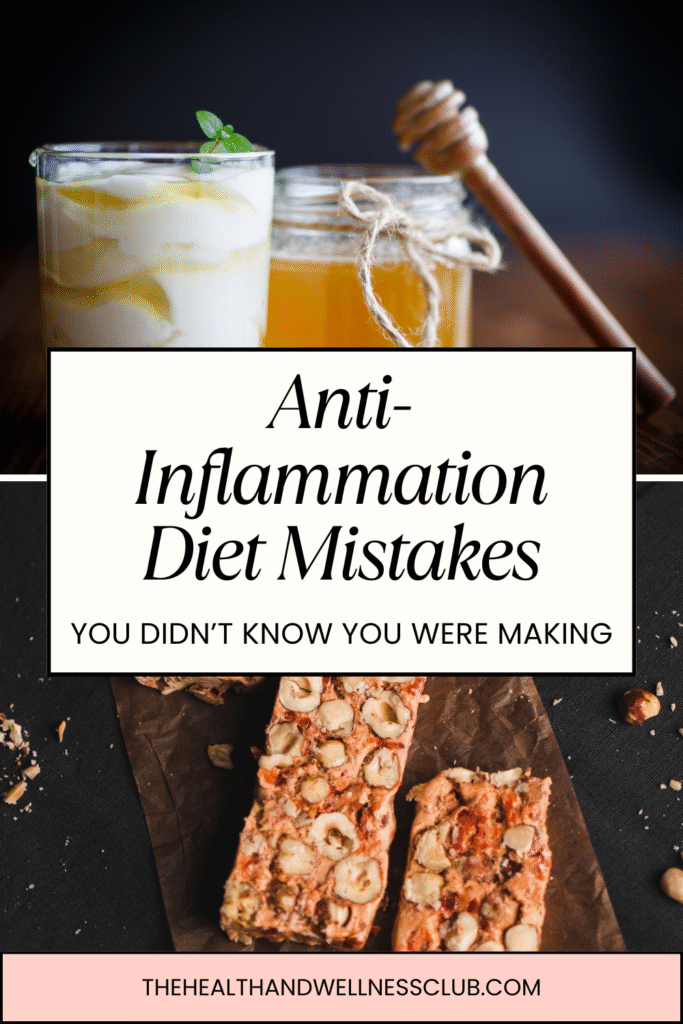
Mistake #6: Thinking Natural Sweeteners Are Always Safe
Honey, maple syrup, and coconut sugar sound better than white sugar—but they still raise blood glucose and can contribute to inflammation if overused.
Why It Matters
Even natural sugars can cause glycemic spikes, which lead to oxidative stress and inflammation. The anti-inflammation diet works best when sugar intake is minimal.
What to Do Instead
- Use stevia or monk fruit in moderation.
- Sweeten with fruit like mashed bananas or dates.
- Gradually reduce your sweet tooth—your taste buds will adjust. I have been there too. It takes 21 days to form a habit. Try a 21-day sugar-free challenge.
Mistake #7: Skipping Fiber-Rich Foods
Fiber doesn’t just help with digestion—it’s essential for feeding beneficial gut bacteria. And a healthy gut plays a huge role in keeping inflammation in check.
Why It Matters
Low-fiber diets can starve your microbiome, leading to gut imbalance and increased inflammation. One of the most powerful (and underrated) forms of fiber is resistant starch. It acts more like a prebiotic than a carb and helps produce short-chain fatty acids (SCFAs) like butyrate, which support gut health and reduce inflammation. A study found that resistant starch significantly lowered fasting blood glucose in people with type 2 diabetes. Not sure what resistant starch is? Check out this blog post.
What to Do Instead
- Add resistant starch to your meals—think cooled potatoes, lentils, and overnight oats.
- Include a variety of plant-based fibers from fruits, veggies, legumes, and seeds. Here is a list of high fiber foods for you to add in your anti-inflammation diet.
- Skip the fiber supplements unless necessary—whole foods are more effective and easier on your gut.
Fiber is a foundational part of any effective anti-inflammation diet.
Conclusion: Small Tweaks, Big Results
Following an anti-inflammation diet isn’t about perfection—it’s about awareness. Once you start spotting the sneaky inflammatory foods in your routine (especially those with trans fats), everything shifts. You’ll feel more balanced, more energized, and more in tune with what your body actually needs.
So if your anti-inflammation diet isn’t giving you the results you hoped for, take a closer look at the foods you’ve been trusting. Sometimes, the biggest breakthroughs come from the smallest changes.
Want a visual reminder of what to eat and what to skip? Download my free Anti-Inflammation Food Poster—it’s a great tool to keep on your fridge or meal planner.
Let’s keep learning and growing—one smart swap at a time.