Sleep Well for Better Health
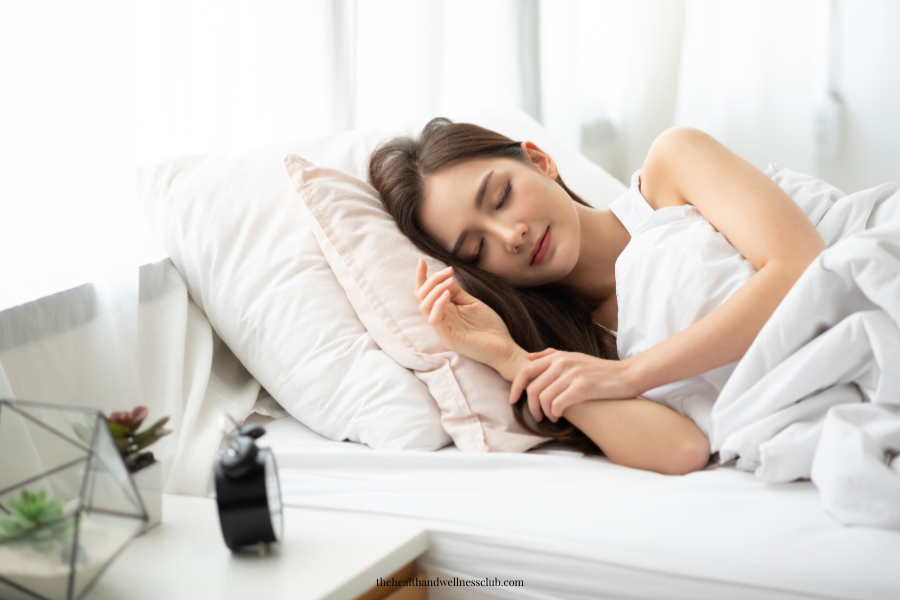
You know that feeling when you wake up after a truly restful night? Your mind feels clear, your body feels light, and everything just seems… easier. That’s the magic of quality sleep. And trust me, once you start prioritizing it, you’ll wonder how you ever functioned without it.
As a yoga instructor and an entrepreneur, I’ve seen firsthand how sleep—or the lack of it—affects everything from energy levels to emotional balance. I used to think I could power through with five hours and a strong cup of coffee. Spoiler alert: I couldn’t. Once I started sleeping well, I feel mentally sharper, my productivity and workouts improved, my mood stabilized, and my skin even looked better. So let’s talk about why sleep isn’t just a luxury—it’s a health essential.
Why Sleep Is More Than Just Rest
Sleep isn’t just about shutting your eyes and hoping for the best. It’s a biological necessity that helps your body and brain recover, reset, and recharge.
What Happens When You Sleep Well
When you sleep well, your body goes through several important processes:
- Cellular repair: Your body heals and regenerates tissues.
- Hormonal balance: Sleep regulates hormones like cortisol and insulin.
- Memory consolidation: Your brain processes and stores new information.
- Immune support: Sleep strengthens your immune system.
According to a 2024 systematic review published in Sleep Medicine Research, optimal sleep quality—defined by adequate duration, continuity, and depth—is crucial for maintaining both physical and mental health. Poor sleep contributes to metabolic disorders, cardiovascular disease, depression, and anxiety.
The Link Between Sleep and Better Health
Let’s break down how sleep directly impacts your health. And yes, I’m going to get a little nerdy here—but only because it’s fascinating and super relevant.
Physical Health Benefits
- Heart Health: Quality sleep helps regulate blood pressure and reduces inflammation.
- Weight Management: Sleep affects hunger hormones like ghrelin and leptin. Poor sleep can lead to overeating.
- Blood Sugar Control: Sleep helps maintain insulin sensitivity, reducing the risk of type 2 diabetes.
A study found that sleep loss and circadian disruption significantly affect mortality, morbidity, and overall performance.
Mental Health Benefits
- Mood Stability: Sleep helps regulate emotional responses and reduces irritability.
- Stress Reduction: A well-rested brain handles stress more effectively.
- Cognitive Function: Sleep improves focus, decision-making, and creativity.
I’ve experienced feeling “foggy” or “off” after a few nights of poor sleep. Once I start sleeping well, my clarity returns—and so does my motivation.
How Much Sleep Do You Really Need?
This varies, but here’s a general guideline:
- Adults: 7–9 hours
- Teens: 8–10 hours
- Children: 9–12 hours
But it’s not just about quantity—it’s about quality. You could sleep for 9 hours and still feel exhausted if your sleep is fragmented or shallow.
Signs You’re Not Sleeping Well
Let’s be honest—most of us don’t realize we’re sleep-deprived until it hits us like a truck. Here are some red flags:
- You wake up feeling tired, even after a full night’s sleep.
- You rely on caffeine to stay alert.
- You feel moody or anxious for no clear reason.
- You struggle to concentrate or remember things.
If any of these sound familiar, your sleep might need a little TLC.
Simple Ways to Sleep Well for Better Health
You don’t need a fancy mattress or a sleep coach to improve your sleep. Small changes can make a big difference.
1. Create a Sleep-Friendly Environment
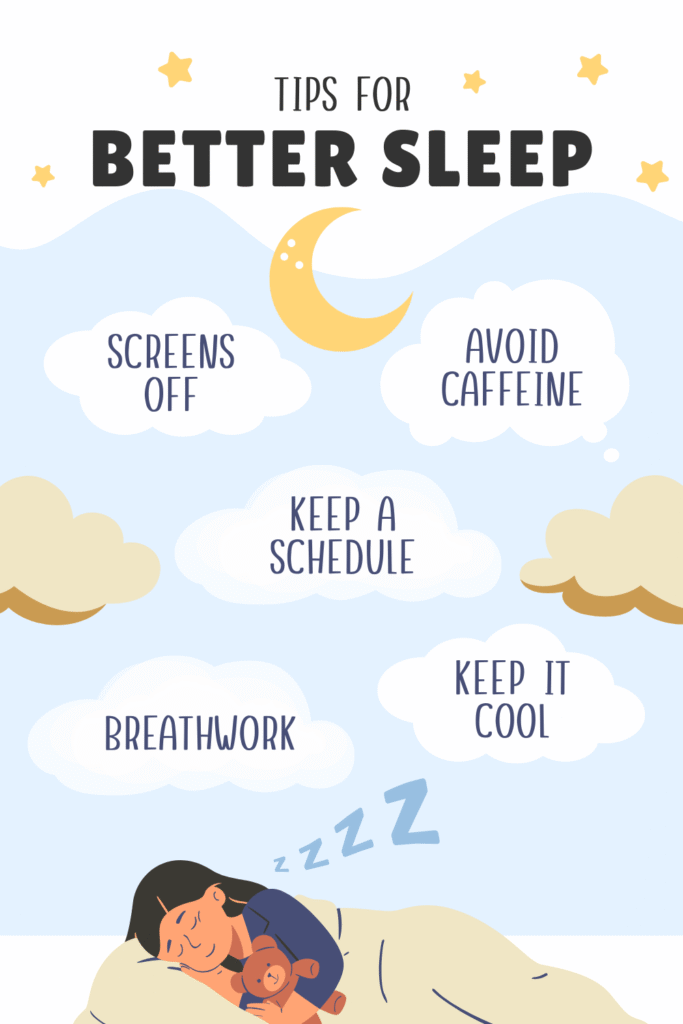
- Keep it cool: Aim for 60–67°F (15–19°C).
- Block out light: Use blackout curtains or a sleep mask.
- Reduce noise: Try white noise machines or earplugs.
2. Stick to a Consistent Schedule
Go to bed and wake up at the same time every day—even on weekends. Your body loves routine.
3. Limit Stimulants and Screens
- Avoid caffeine after 2 PM.
- Turn off screens at least an hour before bed.
- Use blue light filters if you must use devices.
4. Wind Down Mindfully
- Try gentle yoga or stretching.
- Practice breathwork or meditation.
- Read a calming book (no thrillers, please!).
I personally love doing a short yin yoga flow before bed. It helps me release tension and signals my body that it’s time to rest.
Check out this blog post for a more comprehensive guide to better sleep.

- TRUE, 100% BLACKOUT SLEEP MASK — Adjustable eye cups mold perfectly to your face to block 100% of light. True blackout u…
- ABSOLUTELY NO EYE PRESSURE — Fully adjustable, extra-deep eye cups allow you to blink like you’re not wearing a sleeping…
- INFINITELY ADJUSTABLE EYE CUPS — Customize your eye cups’ position and angle for a perfect, personalized-for-your-face f…

- POWERFUL NOISE REDUCTION – Packing up to 24 dB (SNR) of noise reduction into a flexible silicone earplug, Quiet 2 muffle…
- ULTRA-COMFY FIT – Made from lightweight, flexible silicone, these reusable earplugs offer dreamy comfort day and night, …
- GREAT FOR SLEEP, FOCUS AND MORE – Quiet 2 earplugs offer instant noise reduction and protection for all kinds of situati…

- ADJUSTABLE NOISE CONTROL – Discover complete control in any setting with Loop Switch 2 – three levels of noise reduction…
- DESIGNED FOR DAY-LONG COMFORT – Loop Switch 2 features a slimmer earplug body and a smaller angled nozzle, fitting more …
- INSTANT NOISE RELIEF – Enjoy life at your volume wherever you go with 20-26 dB (SNR) of noise reduction at your fingerti…

- 100% Blackout for Deeper Sleep — Just a pinprick of light can disrupt REM and deep sleep, leading to post-sleep tirednes…
- Infinitely Adjustable for Personalized Fit — Manta is made to fit your unique face. Your eye cups’ position, angle, and …
- Soft, Breathable, Durable Materials — Manta is designed for no-compromises comfort and is constructed with super soft, b…

- ADJUSTABLE NOISE CONTROL – Discover complete control in any setting with Loop Switch 2 – three levels of noise reduction…
- DESIGNED FOR DAY-LONG COMFORT – Loop Switch 2 features a slimmer earplug body and a smaller angled nozzle, fitting more …
- INSTANT NOISE RELIEF – Enjoy life at your volume wherever you go with 20-26 dB (SNR) of noise reduction at your fingerti…
Sleep Disorders: When to Seek Help
Sometimes, sleep issues go beyond bad habits. If you experience any of the following, consider speaking to a healthcare provider:
- Insomnia: Trouble falling or staying asleep.
- Sleep apnea: Interrupted breathing during sleep.
- Restless leg syndrome: Uncomfortable sensations in the legs.
The Sleep Medicine Research review found that cognitive behavioral therapy (CBT) is one of the most effective treatments for sleep disorders. Hypnotherapy, on the other hand, didn’t show promising results. explored how sleep duration and quality affect five indicators of quality of life. The results? Better sleep equals better life satisfaction, emotional well-being, and social functioning.
So yes, sleeping well doesn’t just help you feel better—it helps you live better.
My Personal Sleep Ritual (Feel Free to Steal It)
Here’s what I do most nights:
- Light dinner with calming foods: I avoid heavy meals and opt for something light and nourishing.
- No screens after 9 PM: I switch to reading or journaling.
- Yin yoga + breathwork: Just 10 minutes makes a huge difference.
- Herbal sleep tea: My favorite blend includes lavender, lemon balm, and passionflower.
- Dim the lights after sunset: This helps my body naturally wind down and prepare for sleep.
It’s not perfect every night, but when I stick to this, I feel like a different person the next day.
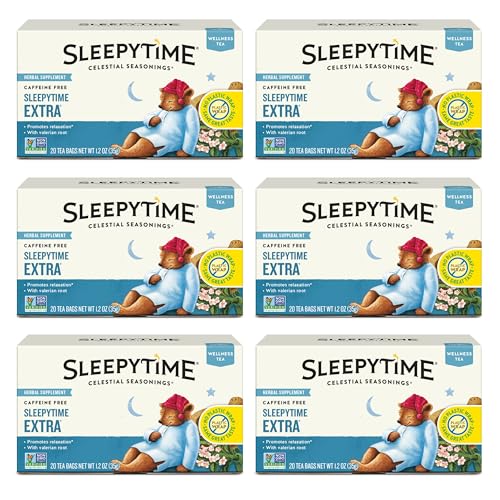
- CALMING VALERIAN BLEND: This valerian root tea combines chamomile tea and spearmint to create a Sleepytime Extra supplem…
- NATURALLY CAFFEINE FREE: Our bedtime tea provides a soothing experience without caffeine
- NO ARTIFICIAL ADDITIVES: Our Sleepytime tea bags are great for nighttime relaxation
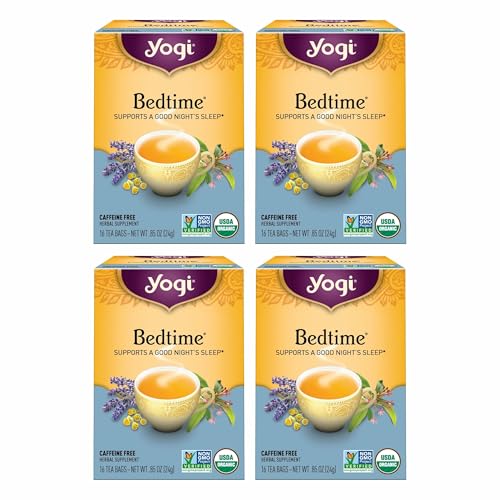
- Chamomile Tea Blend: Yogi Bedtime tea is a comforting and delicious sleep tea blend that combines soothing Passionflower…
- Caffeine-Free Bedtime Tea: As a caffeine-free tea blend, you can relax and unwind with a cup before bed
- Tea Bag Instructions: Bring water to a boil and steep the tea bag for 7 minutes; for a stronger tea, use 2 tea bags
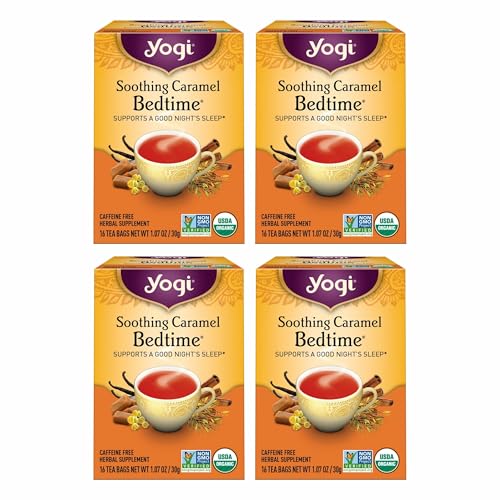
- Organic Sleep Tea: Yogi Soothing Caramel Bedtime tea is purposefully blended with Chamomile Flower, Skullcap, and L-Thea…
- Delicious Calming Tea: Naturally sweet Rooibos combines with notes of Vanilla and Caramel for a delicious and warming te…
- Tea Bag Instructions: Bring water to boiling and steep the tea bag for 7 minutes; for a stronger tea, use 2 tea bags; dr…
Final Thoughts: Sleep Well, Live Well
If you take one thing away from this article, let it be this: sleep is not optional—it’s foundational. Whether you’re trying to boost your energy, improve your mood, or simply feel more like yourself, sleep is the key.
So tonight, instead of scrolling through your phone or binge-watching another episode, try winding down early. Your body will thank you. Your mind will thank you. And honestly, you’ll start to feel like the best version of yourself.
Sleep well for better health—because you deserve it.