Yoga Isn’t Just a Workout—It’s a Lifelong Wellness Strategy
When I first started practicing yoga, I just wanted to feel less stiff and more energized. But over time, I noticed something deeper happening. My sleep improved, my stress levels dropped, and I felt more connected to my body. That’s when I realized yoga isn’t just about flexibility—it’s about living longer and healthier in a way that feels natural and sustainable.
If you’re curious about how yoga can help you live longer, not just survive longer, you’re in the right place. Let’s explore how this ancient practice supports longevity, both physically and mentally.
The Science Behind Yoga and Longevity
What Does “Longevity” Really Mean?
Longevity isn’t just about reaching your 90s. It’s about lengthening your “healthspan”, maintaining quality of life—staying mobile, mentally sharp, and emotionally balanced as you age. Yoga supports all of these pillars.
Scientific Proof Yoga Helps You Live Longer
A study published in Frontiers in Human Neuroscience found that long-term yoga practitioners had better brain structure and cognitive function compared to non-practitioners. Another study in the Journal of Alternative and Complementary Medicine showed that yoga reduced inflammatory markers—a key factor in aging and chronic disease.
Here’s what yoga does for your longevity:
- Reduces chronic inflammation
- Improves cardiovascular health
- Boosts immune function
- Enhances mental clarity and emotional resilience
How Yoga Supports a Longer, Healthier Life
1. Stress Reduction = Longer Life
Stress is a silent killer. It messes with your hormones, your sleep, and even your digestion. Yoga helps you reset your nervous system through breathwork and mindful movement.
- Breathwork (Pranayama) activates the parasympathetic nervous system.
- Gentle flows release tension stored in the body.
- Meditation calms racing thoughts and lowers cortisol.
Even 10 minutes of breathwork can feel like pressing the reset button.
2. Mobility and Joint Health
As we age, stiffness creeps in. But yoga keeps your joints juicy and your muscles active.
- Dynamic stretches improve range of motion.
- Weight-bearing poses strengthen bones and prevent osteoporosis.
- Balance work reduces fall risk—a major concern for older adults.
I’ve seen 70-year-olds in my classes move with more grace than some 30-year-olds. It’s all about consistency.
3. Heart Health and Circulation
Yoga isn’t cardio in the traditional sense, but it still supports your heart.
- Inversions like legs-up-the-wall, headstand, downward dog, handstand improve circulation.
- Twists stimulate lymphatic flow.
- Slow, rhythmic breathing lowers blood pressure.
A study in European Journal of Preventive Cardiology found that yoga significantly improved heart rate variability, a key marker of cardiovascular health.
Yoga Styles That Promote Longevity
Hatha Yoga
This is the classic, slow-paced style that focuses on alignment and breath. It’s perfect for beginners and older adults.
Yin Yoga
Yin targets the deep connective tissues and fascia. It’s amazing for joint health and emotional release.
Restorative Yoga
Think of this as yoga’s version of a spa day. You use props to fully relax into poses. It’s ideal for stress relief and recovery.
Vinyasa Yoga
If you’re more active, a vinyasa flow keeps your body strong and agile. Just remember—listen to your body and modify as needed. It is especially meditative when you are pairing your breath with movement.
Why Pairing Yoga with Resistance Training Gives the Best Longevity Results
Let’s talk muscles—because they matter more than most people realize, especially as we age.
Yoga does wonders for flexibility, balance, and mobility. But if you want to live longer and stay strong into your 70s, 80s, and beyond, you need to build and maintain muscle mass. That’s where resistance training comes in.
What Is Resistance Training?
Resistance training includes anything that challenges your muscles—think weights, resistance bands, bodyweight exercises like squats and push-ups. It’s not just for bodybuilders. It’s for anyone who wants to age gracefully and stay independent.
Why Muscle Mass Matters for Longevity
As we get older, we naturally lose muscle. This process is called sarcopenia, and it starts as early as your 30s. If we don’t actively work to preserve muscle, we risk:
- Reduced mobility
- Higher risk of falls and fractures (which is one of the highest cause of mortality as we age)
- Slower metabolism
- Weaker immune function
A study found that low muscle mass is directly linked to increased mortality in older adults. Another study in The Journal of Gerontology showed that resistance training significantly improves muscle strength, bone density, and overall physical function in aging populations.
How Yoga and Resistance Training Work Together
Yoga keeps your joints healthy, improves flexibility, and supports recovery. Resistance training builds the muscle mass that protects your bones, powers your metabolism, and helps you stay active.
Here’s how I combine both in my weekly routine:
- Yoga 2-3 times a week for mobility, breathwork, and stress relief. Personal favorite is vinyasa for the meditative state when linking my breath with movement.
- Resistance training 3-4 times a week using dumbbells, resistance bands, or bodyweight circuits.
This combo gives me the best of both worlds—strength and serenity, power and peace.
Nutrition and Yoga: A Longevity Power Combo
You can’t talk about living longer without mentioning food. Yoga naturally encourages mindful eating and body awareness.
Here’s how I pair yoga with nutrition for longevity:
- Healthy choice of food: I go for anti-inflammatory foods like turmeric smoothies or avocado toast with hemp seeds.
- Hydration: I always sip warm lemon water after practice to support digestion.
- Mindful eating: Yoga helps me slow down and actually taste my food. It is easy to forget to slow down and enjoy the food in our busy lives.
Studies show that combining yoga with a plant-rich diet can reduce the risk of chronic diseases like diabetes and heart disease.
Mental Health and Emotional Longevity
Yoga Builds Emotional Resilience
Life throws curveballs. Yoga teaches you to breathe through discomfort—on and off the mat.
- Mantra meditation helps rewire negative thought patterns.
- Journaling after practice brings clarity and emotional release.
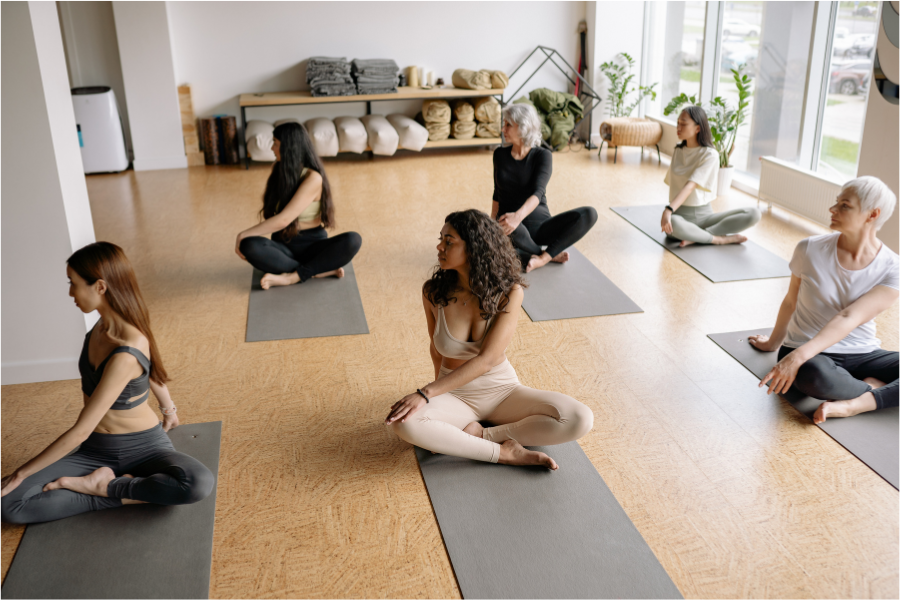
- Community classes foster connection and reduce loneliness.
I’ve had students tell me yoga helped them through grief, anxiety, and even burnout. That’s longevity in action.
Tips to Start a Longevity-Focused Yoga Practice
1. Start Small
You don’t need an hour a day. Even 15 minutes of gentle movement and breathwork can make a difference.
Here’s a quick, energising yoga flow for when you need a boost or just want to get moving.
2. Be Consistent
Longevity is about the long game. Aim for 3–5 sessions per week, even if they’re short.
3. Mix It Up
Try different styles to keep things fresh. Your body loves variety.
4. Listen to Your Body
Some days you’ll feel strong. Other days you’ll need rest. Honor both.
5. Track Your Progress
Keep a journal. Note how your sleep, mood, and energy shift over time.
Common Myths About Yoga and Aging
Let’s bust a few myths:
- “I’m too old to start yoga.” Nope. Yoga meets you where you are.
- “Yoga is only for flexible people.” Flexibility is a result, not a requirement.
- “Yoga won’t help with real health issues.” Science says otherwise. Yoga supports heart health, immunity, and even brain function.
Conclusion: Yoga Is Your Natural Longevity Toolkit
If you want to live longer and feel amazing while doing it, yoga offers a path that’s gentle, empowering, and deeply effective. It’s not about chasing youth—it’s about embracing vitality.
I’ve seen yoga transform lives, including my own. Whether you’re 25 or 75, it’s never too late to start. So roll out your mat, take a deep breath, and begin your journey toward a longer, healthier life—naturally.
And hey, if you ever need a buddy to flow with, I’m just a message away.